
EPC C targets under fire over impact on older homes
4 months ago | 1 comments


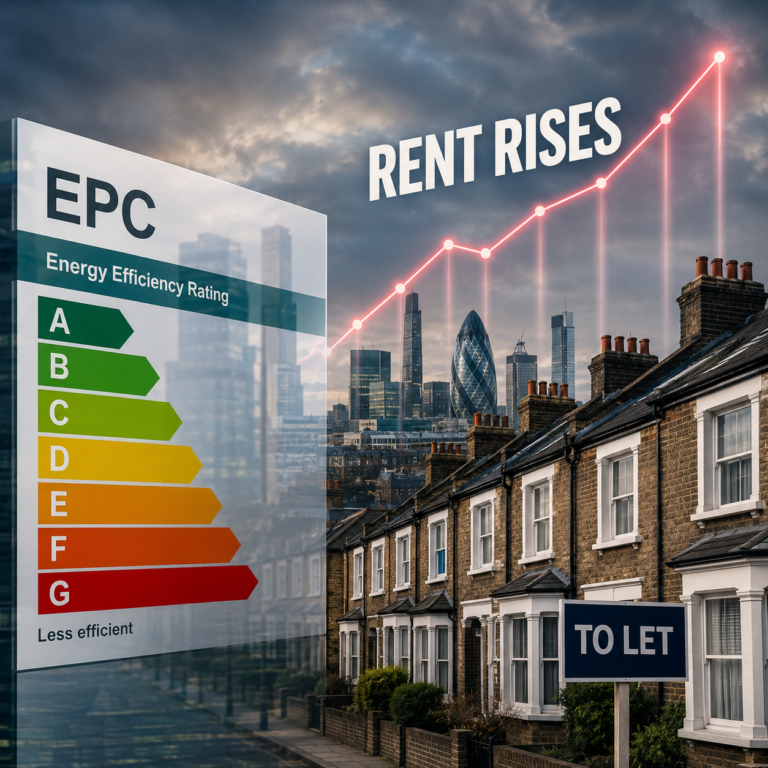
The government claims that rent prices are affected by various factors amid scrutiny over proposed EPC targets could push rents up.
In a written parliamentary question, Green MP Hannah Spencer asked what assessment the government has made of new Minimum Energy Efficiency Standards (MEES) in the private rented sector on private rent inflation.
Under the Warm Homes Plan, the government announced all private rented properties will need to meet EPC C targets by 2030.
The minister for energy consumer, Martin McCluskey, said: “Rental prices are not determined by a single factor, and as outlined in the final impact assessment, wider market factors alongside this regulation may affect the rental prices of properties whether or not they are required to make upgrades under the MEES regulations.
“The government’s priority is to give landlords the regulatory certainty and advice they need to plan efficiency upgrades over the coming years, in consultation with tenants.
“More broadly, we are committed to protecting tenants’ rights by giving them the right to challenge unreasonable rent increases under the Renters’ Rights Act.”
However, as previously reported on Property118, a government consultation documents admits some landlords could choose to sell rather than comply with EPC rules.
The document says: “Landlords may decide to exit the market. The likelihood of this is dependent on the current profitability of their rental property, the level of costs they face, the price landlords would receive from the sale of their property and their wider financial circumstances.
“The prices of EPC F/G PRS properties affected by the current regulations (requiring PRS properties to be EPC E) decreased by about £5,000 to £9,000, relative to unaffected properties.
“If a similar situation were to arise in the context of higher Minimum Energy-Efficiency Standards (MEES), landlords may decide it is more profitable to improve properties and remain as landlords. However, landlords who face the highest costs may decide, on balance, it is still less costly to sell their property than comply with the higher energy performance standard.”
The document also says some landlords may also decide instead to pass costs onto tenants through higher rents, but some tenants may decide to stay if higher rents are offset by lower energy bills.
7 comments on this article
A different perspective could help you spot an issue, avoid a mistake or find a better way forward. Read the comments and add your own views if you wish.
4 months ago | 1 comments

4 months ago | 12 comments

4 months ago | 1 comments
Member Since June 2019 - Comments: 973
9:07 AM, 1st July 2026, About 3 months ago
Perhaps the government is finally admitting that everything else they are doing is also increasing rents.
Member Since March 2018 - Comments: 198
9:40 AM, 1st July 2026, About 3 months ago
Rumour is that landlords selling makes the whole streets of Victorian terraces available, and Lloyds Bank and BlackRock are buying them up to build large blocks of apartments – which coincidentally lines up with Andy Burnham’s promised “high density housing near city centres” (which is the most valuable land). Does anyone have corroborating information?
Member Since November 2019 - Comments: 208
10:33 AM, 1st July 2026, About 3 months ago
Most Landlords would probably be agreeable to
EPC Targets should be Practical and Affordable.
Member Since July 2013 - Comments: 2066 - Articles: 21
11:13 AM, 1st July 2026, About 3 months ago
Reply to the comment left by Peter G at 01/07/2026 – 09:40
What rumour? You are starting one. Please give one example.
Member Since October 2023 - Comments: 260
11:13 AM, 1st July 2026, About 3 months ago
How is it, that rental properties have to meet an EPC target, but private property does not?
If this is actually to prevent “climate change” then why leave out 80% of the properties?
If its about higher standard housing for tenants, then as Confucius said……”take what you want in life……THEN PAY”!
Higher rents are inevitable, why does the government think they can get something for nothing?
Member Since July 2013 - Comments: 2066 - Articles: 21
11:34 AM, 1st July 2026, About 3 months ago
What a non-anwer:
“The minister for energy consumer, Martin McCluskey, said: “Rental prices are not determined by a single factor, and as outlined in the final impact assessment, wider market factors alongside this regulation may affect the rental prices of properties whether or not they are required to make upgrades under the MEES regulations.”
Nobody said rent increases were determined by a single factor. The issue is that making landlords spend thousands of pounds will lead to rents increasing. I doubt tenants will consider that a £300 energy saving offsets a £900 a year rent increase.
The statement that “… landlords who face the highest costs may decide, on balance, it is still less costly to sell their property than comply with the higher energy performance standard.” is ominous. It suggests that there will be no or very few exemptions if it is not possible at reasonable cost to meet the “higher standard”. Of course if a landlord then sells to an owner-occupier the house may never be upgraded but that doesn’t seem to matter.
Member Since August 2024 - Comments: 42
5:05 PM, 1st July 2026, About 3 months ago
No sh** Sherlock McClusky…..The rent is going up because of all the additional cost, like licensing , increased maintenance costs, increased taxation etc…the epc tsunami will come in a couple of years time when landlords are “panic mode”…..