

SDLT and Tenancy in common purchases
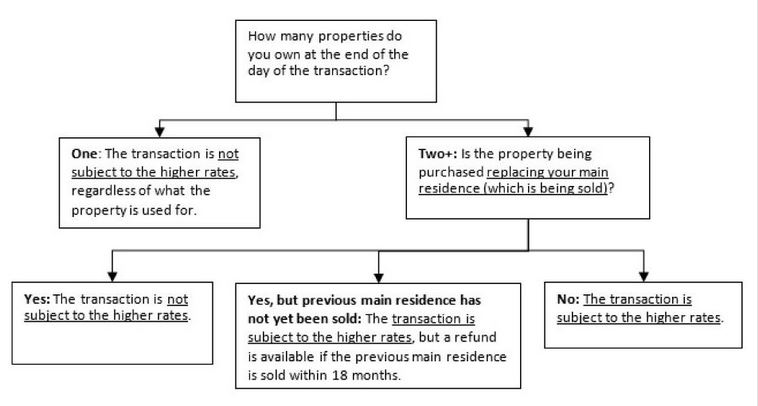

I am looking to buy a property with my partner. He is a first time buyer however, I already own a flat that I’m currently living in.
I’m not planning to sell my property as I want to rent it out once I move out.
I am aware that new purchase will be subject to the higher stump duty rate however I wanted to know how does it work with tenancy in common agreement.
If we buy the property splitting the ownership 50/50 will he need to pay higher rate on his share as well? If so is there any way to go around it.
We are not married therefore I don’t want him to be punished for the fact that I own a property already.
Many thanks
Aggi
2 comments on this article
Learn from your peers’ experience
A different perspective could help you spot an issue, avoid a mistake or find a better way forward. Read the comments and add your own views if you wish.
Member Since February 2011 - Comments: 3462 - Articles: 286
10:52 AM, 18th December 2017, About 9 years ago
Hi Aggi,
I don’t think there is a clearly defined example for this in HMRC guidance. My guess is they may try and make you pay the additional 3% on the whole amount, but your solicitor should check with HMRC.
I have found a close example in the original consultation >> https://www.gov.uk/government/consultations/consultation-on-higher-rates-of-stamp-duty-land-tax-sdlt-on-purchases-of-additional-residential-properties/higher-rates-of-stamp-duty-land-tax-sdlt-on-purchases-of-additional-residential-properties
Example 9:
N purchases her first property, which she will use as a buy-to-let. At the end of the day of the transaction she owns one property, so she will not pay the higher rates of SDLT, even though she is not using it as her main residence.
Two years later, N purchases a residential property which she will use as her main residence, but she decides to keep her buy-to-let property. In this instance, as she has two properties at the end of the day of the transaction and has not replaced a main residence (as she has not sold a previous main residence), the higher rates will apply.
Member Since December 2017 - Comments: 1
10:21 PM, 18th December 2017, About 9 years ago
Reply to the comment left by Neil Patterson at 18/12/2017 – 10:52
Thanks a lot Neil. It looks like I may need to get some professional advice as, like you said, it is not very clear in HMRC guidance.