

Why Ed Miliband’s Warm Homes Plan is hot air for landlords
9 months ago | 8 comments


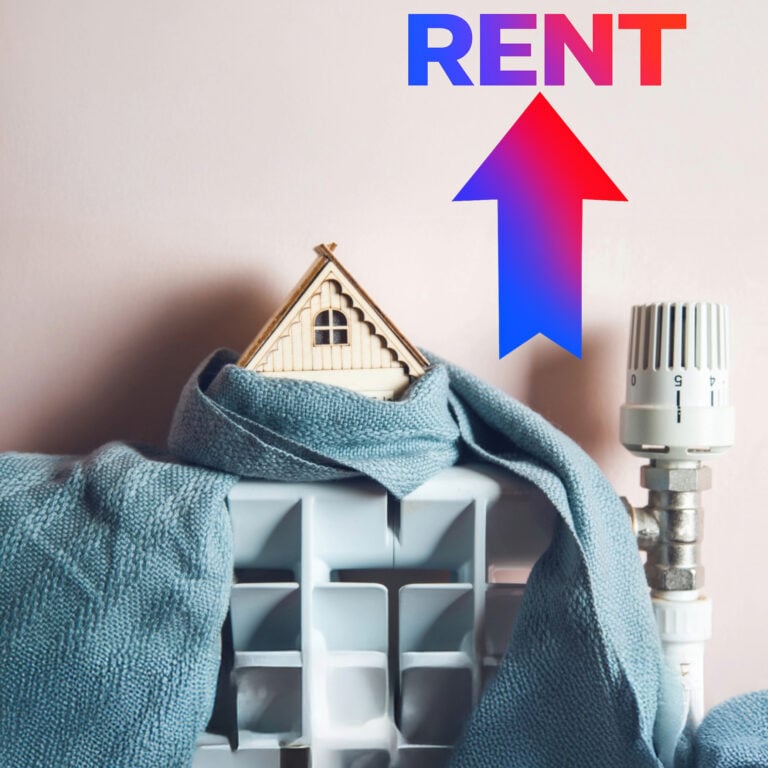
An MP has asked whether the government will prevent landlords from raising rents under the Warm Homes Plan.
In a written question, Labour MP Bell Ribeiro-Addy asked if the government will stop landlords from increasing rents after using grants and loans from the plan to fund energy efficiency measures.
The government has again insisted that landlords will not need to raise rents to meet EPC C targets by 2030 and that the Renters’ Rights Act will help tenants challenge any excessive increases.
Martin McCluskey, Minister for Energy Consumers, said: “The Warm Homes Plan will lift up to one million households out of fuel poverty through public investment and new minimum energy efficiency standards for private landlords and proposed standard for social landlords. These changes do not require landlords to increase rents. Instead, they will help tenants cut their energy bills by delivering more energy-efficient homes.
“There is support available for landlords, financing options, as well as new protections for renters in the Renters’ Rights Act 2025 to challenge above-market rent increases. As now, landlords will still be able to increase rents to market price for their properties and an independent tribunal will make a judgement on this, if needed.”
He adds: “Landlords will have discretion between meeting the heating system standard and the smart readiness standard so that they can choose what is most appropriate for their property.
“We estimate the new private rented sector minimum energy efficiency standards (MEES) could lift approximately 415,000 households out of fuel poverty by 2030. A cost cap of £10,000, compared to £15,000, reduces the risk of cost pass-through to tenants whilst still delivering substantial improvements to homes.”
However, Timothy Douglas, head of policy and campaigns at Propertymark, warned landlords could face costly upgrades to meet EPC C targets by 2030.
He said: “In the private rented sector, landlords are being asked to deliver, in many cases, substantial and costly upgrades to reach EPC C by 2030, yet this is being imposed without clear, long-term funding commitments, realistic delivery timescales, or sufficient flexibility for older, complex, and hard-to-treat properties.
“A phased and realistic approach would allow landlords to maintain the Decent Homes Standard, manage costs effectively, and contribute meaningfully to the UK Government’s ambition to achieve net zero by 2050.”
Also, as previously reported by Property118, a government consultation on meeting EPC C targets admits landlords may sell up or increase rents due to EPC rules.
13 comments on this article
A different perspective could help you spot an issue, avoid a mistake or find a better way forward. Read the comments and add your own views if you wish.
Previous Article
Wales confirms date for ban on no children and no benefits lettingsNext Article
Scottish rents level out as supply improves
9 months ago | 8 comments

9 months ago | 4 comments

10 months ago | 4 comments
Member Since July 2013 - Comments: 363
9:00 PM, 31st January 2026, About 8 months ago
We need to start telling the truth.
UK represents around 1% global warming.
If every single thing can be done is done it won’t make a single bit of difference. Full efficient heating insulation electric cars .the system can’t cope with extra demand.
Other countries are increasingly causing more harm.
Then look at the costs total bull that this will only cost around £6k .
Many have spent £20 to £40 k to retrospectively improve houses.
They have seen that many systems have actually cost more to run or the savings of £200 a year.
It makes no sense. Rentals will increase by £100 to £200 a month to cover costs.
All the grants they talk about don’t exist for many landlords. In Scotland if you own more than three properties they won’t get grants unless it has changed now.
Heat pumps cost more to run.
Tenants can’t afford bills so won’t put on heating or ventilate the properties. No matter how well a property is insulated.
Many of these buildings need to breath so insulation is causing issues.
NRLA are not doing anything other than lining their own pockets with changes in legislation.
Member Since October 2013 - Comments: 1751 - Articles: 3
11:50 AM, 1st February 2026, About 8 months ago
Reply to the comment left by Neil Robb at 21:00
We have reduced our CO2 by two thirds; the most in the world, just to virtue signal on the world stage. But at what cost? We may now produce just 0.8% but that’s ‘direct’ production. We have decimated our manufacturing base, our steel industry is finished, we’ve killed off our fossil fuel production, and our electricity is now the most expensive, and yet our consumption, of everything, has dramatically increased. EVs, solar panels, batteries, steel, clothing, miscellaneous rubbish on Temu, Amazon, and ebay… and where is all this stuff produced? China, India… where coal fired power stations power their manufacturing to supply us with everything we want and no longer produce, and their CO2 production is unchecked. That’s our ‘indirect’ CO2 production, which is conveniently ignored. Even Germany, who committed energy suicide before us by shutting down their nuclear, is mining and burning coal, and not the ‘clean’ Anthracite like we traditionally mined and burnt, but the dirtiest and high CO2 producing Lignite. So, far from virtue signalling how well we are doing, and doubling down to achieve the impossible, the government and previous governments should be shown for the hypocrites they are. If we want to continue to consume stuff, someone has to produce and ship nut across the world on diesel burning ships, and transported in diesel-burning lorries. DHL turning up at your door in an EV really doesn’t make any difference.
Member Since September 2018 - Comments: 3744 - Articles: 5
3:09 PM, 1st February 2026, About 8 months ago
More U turns ahead….