

Boiler Upgrade Scheme faces funding cuts in Autumn Budget
4 weeks ago | 2 comments


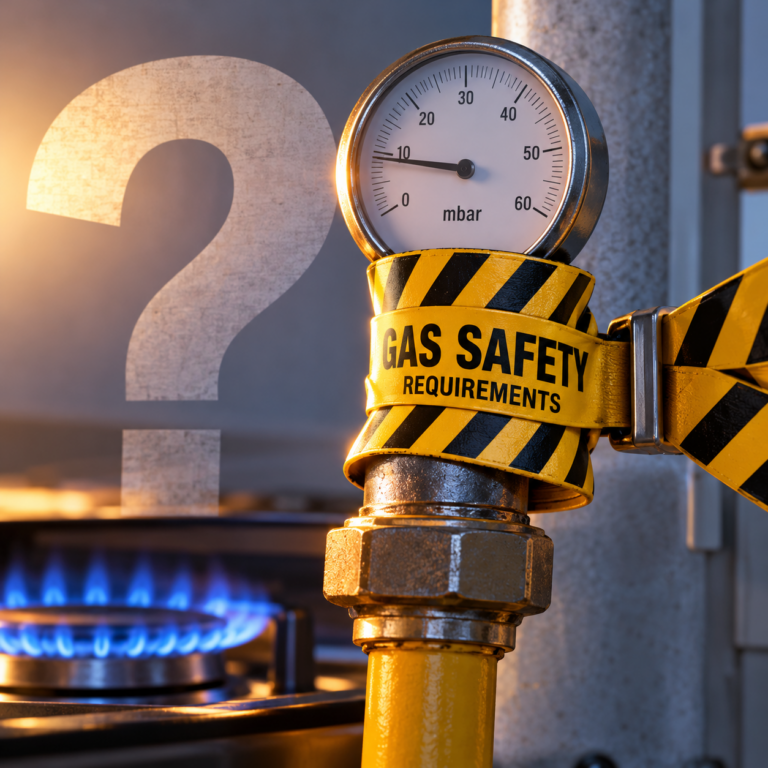
Hello, The engineer carrying out my Gas Safe checks last week was gloomy. He said he had just received notification that the previous tolerance allowed on gas pressure had been reduced.
He feared that this would mean him having to fail systems that had previously passed.
If a property failed he would be obliged to cut gas off immediately, and foresaw angry landlords and tenants.
Finding a minute leak, especially in a high-rise building would be well-nigh impossible, and would probably mean switching to electric heating and cooking.
Luckily mine passed.
Are other landlords experiencing problems?
Thank you,
Sarah
Editor’s note: Gas tightness testing standards changed on 1 October 2026 with the introduction of IGEM/UP/1B Edition 4. However, the engineer’s description of this as a blanket reduction in gas pressure tolerance is misleading. Permissible pressure loss during testing now depends on the installation’s volume and gas type, rather than meter size alone. Pipework must be proved gas tight before any allowance for existing appliances can apply. An unsafe installation must be made safe, which may involve disconnecting the affected appliance or gas supply. However, a failed check does not automatically mean the whole property must be disconnected.
3 comments on this article
A different perspective could help you spot an issue, avoid a mistake or find a better way forward. Read the comments and add your own views if you wish.
Previous Article
What to do in case of disruption to an HMO?Next Article
Buy to let lending jumps 25%
4 weeks ago | 2 comments
2 months ago | 7 comments

3 months ago | 4 comments
Member Since May 2014 - Comments: 222
10:19 AM, 22nd October 2026, About 3 weeks ago
I’d recommend changing your gas engineer; this one sounds petty and misinformed
Member Since January 2019 - Comments: 2
2:34 PM, 22nd October 2026, About 3 weeks ago
Reply to the comment left by Neilt at 22/10/2026 – 10:19
Our gas safe engineer informed us of this ruling on the renewal of certificate a couple of months ago.
Unfortunately we did have a tiny leak on the supply pipe to our flat . This steel pipe runs up the outside of the 3 storey flats . Our gas meter is outside on the ground floor and the leak was between the meter and the isolation tap to our premises situated on the balcony , so it was our responsibility. He had to block the gas off immediately. A full length replacement copper pipe and new isolation tap was fitted. This had to be done within a few days as a new tenant was due to move in very shortly.
The cost was £650 . So even if a tiny leak is going into nothing but fresh air, it still counts . An expensive repair for a first floor flat and if you were unfortunate to own an upper floor flat the cost would be eye watering.
Member Since September 2026 - Comments: 46
10:53 AM, 31st October 2026, About 2 weeks ago
Hi Sarah,
Your engineer had the direction right and the mechanism wrong, and the difference decides how worried you need to be.
Permitted gas pressure hasn’t changed. What changed on 1 October is the tightness test itself. IGEM/UP/1B went to Edition 4 when Edition 3 was withdrawn on 30 September. Edition 3 took the permissible pressure drop from the meter size. Edition 4 makes the engineer calculate the installation volume of the section he’s testing, then read the permissible drop off a table keyed to that volume.
So it isn’t a blanket tightening, it’s a reallocation. The bigger the installation volume, the tighter the allowance, because that allowance is there to cover gas passing through connected appliances and it no longer scales with the meter. Compact installations can come out no worse than before. Long pipe runs are where passes turn into fails, which is why your high-rise worry is sound, just not for the reason you were given. A long riser adds volume and pushes you into a stricter band.
Ask him to record the installation volume he calculated and the table figure he worked to. That pair decides pass or fail now, and you can’t sanity-check a result or get a second opinion without them.
On being cut off, a fail isn’t an automatic property-wide disconnection. An Immediately Dangerous classification has to be explained to you, and he disconnects with your permission. If it’s refused he doesn’t override you, he refers it to the Gas Emergency Service Provider. Keep the warning label and the Unsafe Situations Notice.
OJ