

Why EPC costs and not the Renters’ Rights Bill could collapse the private rented sector
2 years ago | 6 comments


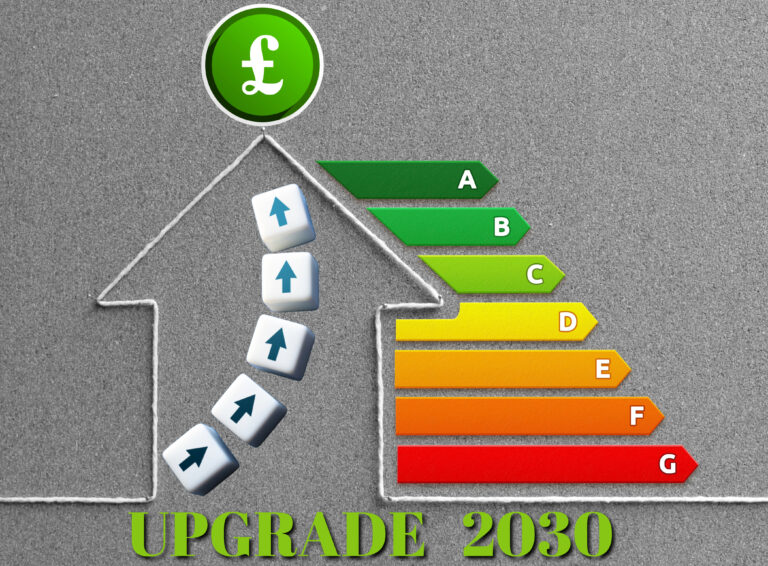
The National Residential Landlords Association (NRLA) claims more landlords are worried about changes to energy-efficiency rules than the Renters’ Rights Bill.
Research by the NRLA shows that landlords are concerned about proposed targets requiring all private rented properties to meet EPC rating C by 2030 and by 2028 for new tenancies.
The NRLA warns that the changes could affect more than 2.5 million rental homes, with landlords potentially facing high costs to meet the new standards.
According to the NRLA’s Landlord Eye survey, the Renters’ Rights Bill attracts the largest volume of negative comments from landlords.
Despite this, more landlords are worried about the cost and complexity of meeting the proposed EPC standards, which drew many of the most negative comments from landlords.
According to the NRLA, most landlords who have made energy-efficiency upgrades say they typically spent up to £5,000 per property. Almost one-in-five landlords (18%) had spent more than that.
The government is currently running a consultation on EPCs, and one of the proposals includes introducing a £15,000 cap per property for energy-efficiency improvements.
The NRLA adds many landlords are unaware of grant schemes to help meet energy efficiency standards.
The Great British Insulation Scheme (GBIS) is a government-backed initiative designed to improve the energy efficiency of homes in Great Britain, particularly those with lower energy performance ratings, focussing solely on insulation upgrades.
However, when asked by the NRLA, more than half of landlords (58%) said they hadn’t heard of GBIS. For the 21% of landlords who had made an application to the GBIS many reported problems with the process.
Many landlords complained about long wait times and unclear outcomes. Several landlords reported rejection by funding bodies for a grant, even though they believed they were eligible under the scheme’s terms and conditions.
One landlord described their experience as leaving them £10,000 out of pocket, despite following all the steps.
The NRLA is urging the government to give clarity around future energy-efficiency rules and make grants easier to access.
The NRLA says landlords want to see funding made available across the whole private rented sector, not just for properties where tenants are on low incomes or benefits.
Chris Norris, campaigns and policy director at the NRLA, said: “The Renters’ Rights Bill represents the biggest shake-up in the private rented sector for 30 years.
“On top of that, landlords are now being asked to pay £15,000 to get their property ready for the new MEES regulations.”
“Given all the changes that are being proposed, it is only fair the government gives landlords and the wider sector enough time to prepare.”
4 comments on this article
A different perspective could help you spot an issue, avoid a mistake or find a better way forward. Read the comments and add your own views if you wish.
2 years ago | 6 comments


2 years ago
Member Since March 2023 - Comments: 1514
8:20 AM, 19th April 2025, About 2 years ago
I agree that (for me anyway) the EPC C is the biggest issue. I certainly won’t be do anything until the proposed new EPC rating system is introduced, it would likely be that I would end up spending money twice.
I am hoping all electric properties would get a better deal, but the government needs to decide whether energy prices are the driver of net zero, both seem to be conflicting at the moment.
… and as for heat pumps, I can’t see any landlord installing one, just not practical – especially if you don’t qualify for a grant. My daughter installed a heat pump at her own home, she did it properly using underfloor heating etc and it does work well BUT at the time she got a £5k grant then had to spend £21k modifying the rest of the property !
Member Since October 2020 - Comments: 1398
7:54 PM, 19th April 2025, About 2 years ago
If its true then its only because they don’t know how bad the RRB is going to be.
Member Since June 2014 - Comments: 1574
8:38 PM, 19th April 2025, About 2 years ago
Spin and nonsense, ending Section 21 is massive, the biggest harm to landlords and the PRS in a generation. As per the article;
“Among landlords, the RRB attracts the largest volume of negative comments.”
And yet;
“The NRLA is not opposing the Government’s decision to end Section 21”
Who the hell do they represent?
Member Since May 2014 - Comments: 654
12:45 AM, 21st April 2025, About 2 years ago
Reply to the comment left by DPT at 19/04/2025 – 19:54
Spot on DPT!
The upcoming RRB with the loss of section 21 is a much bigger disaster.