

The Building Safety Bill – Rights, Powers and Protections for Residents
5 years ago | 11 comments


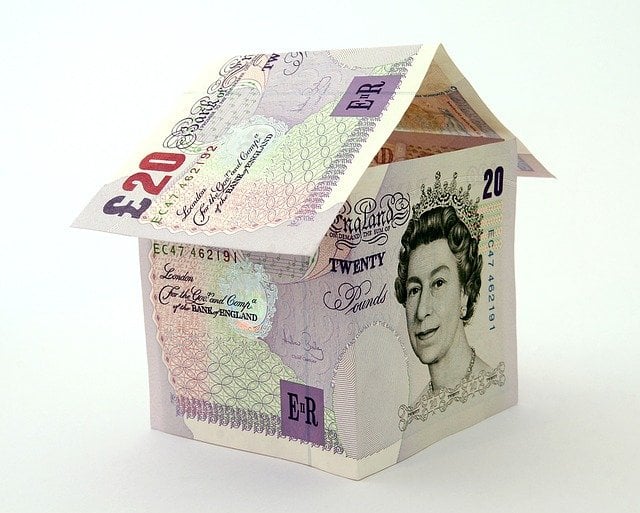
The top five UK home builders are likely to be disproportionately hit by hefty taxes, according to Bloomberg Intelligence.
Large UK home builders such as Taylor Wimpey, Bellway and Berkeley are likely to be hit by heavy taxes (80% of the industry levy) for fixing apartment-building safety issues, on top of costs to fix their own legacy projects.
Recently, the government imposed a six-week deadline for housing developers to sign legally binding contracts that will commit them to pay to repair unsafe buildings. The government warned that companies that fail to comply with the contract will ‘face significant consequences’.
Iwona Hovenko, Real Estate Analyst at Bloomberg Intelligence said: “Multiple levies on UK home builders to fix fire-safety issues in tall residential buildings – including a 4% Residential Property Developer Tax (RPDT) aimed at raising £2 billion and a further £3 billion Building Safety Levy seem excessive and are likely to curb UK home building.
“This comes as developers already recorded hefty provisions for remediating the homes they’ve built, with the seven largest UK home builders setting aside £2.1 billion, with their pledges soon to become legally binding.”
Ms Hovenko added that levies could directly hit the incomes and dividends of builders. She said: “The higher tax burden may also limit scope for shareholder returns, especially when combined with more-muted housing activity.
“Companies such as Barratt and Bellway are both increasing their dividend-payout policies (lowering divided cover) to partly compensate for these effects.”
In the research, Bloomberg Intelligence said that whilst the largest home builders have the “broadest shoulders” to foot the multi-billion-pound cladding removal bill, they aren’t solely responsible for fixing the building safety issue.
Ms Hovenko said: “some companies have little exposure to high-rise buildings, even if they’re accountable for other fire safety failures such as faulty fire barriers.
“Yet even as the government recognises contractor, designer, architect and other parties’ responsibility, it’s the home builders who face most of the costs, on top of remedial works to their own projects.”
She added: “The raid on home builders for funding fixes also brushes over the potential liability of building materials makers who may have failed to disclose product fire safety hazards.”
2 comments on this article
A different perspective could help you spot an issue, avoid a mistake or find a better way forward. Read the comments and add your own views if you wish.
Previous Article
My Deposits ruling - No wonder landlords are selling up?Next Article
Official ONS report on house price inflation
5 years ago | 11 comments

4 years ago | 4 comments

5 years ago | 2 comments
Member Since September 2022 - Comments: 217
10:11 AM, 16th February 2023, About 4 years ago
This will take years to implement and legal teams from home builders and building materials makers fighting it out in court.
Meanwhile flat owners will be living in dangerous homes which they are unable to sell or get a mortgage on.
Member Since November 2013 - Comments: 65
2:11 PM, 16th February 2023, About 4 years ago
And, in addition, any non-protected leaseholder (eg owners of non-qualifying leases) still remain liable for astronomical remediation bills. Despite being entirely innocent of any of the numerous failings, they are still in-line for uncapped costs…