

Government vows to tackle damp and mould in PRS
10 months ago | 18 comments


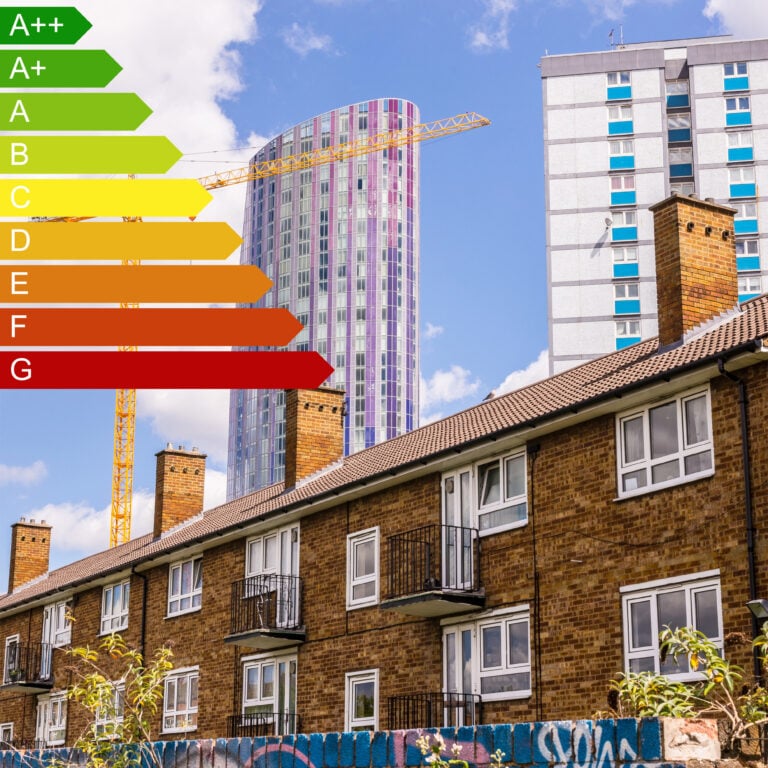
The government has confirmed all private and social landlords will need to meet the Decent Homes Standard (DHS) by 2035.
Generation Rent has accused the government of “dragging their feet” after opting for a 2035 target .
The news comes after the government confirmed all private landlords will need to meet EPC C targets by 2030.
Under the new standard, landlords will need to meet certain criteria, including that homes must be in a reasonable state of repair and provide core facilities and services, including a kitchen with adequate space and layout, an appropriately located bathroom and WC, and adequate protection from external noise.
A government document says homes must also be equipped with child-resistant window restrictors and provide a reasonable degree of thermal comfort. This includes ensuring homes meet Minimum Energy Efficiency Standards.
Homes will be classed as non-decent if a landlord has not remediated damp and mould. More information on the criteria can be found by clicking here.
Housing Minister Matthew Pennycook says too many tenants are living in poor quality housing, with 21% of homes in the Private Rented Sector (PRS) and 10% of homes in the social rented sector failed to meet the DHS.
He said: “Our new, modernised DHS is designed to meet modern expectations of housing quality. By setting out in plain terms a series of ambitious yet proportionate standards for landlords to adhere to, it will help ensure we continue to drive down rates of non-decency across the country.
“Importantly, our new DHS will apply to both the social rented sector and private rented sector, meaning that all tenants in rented housing will benefit, regardless of who their landlord is.
“This important reform is one of a series of changes this government has made to drive a transformational and lasting change in the safety and quality of our housing stock. Our expectations are clear: no tenant should have to live in unsafe conditions for any amount of time, and social and private landlords should act as quickly as possible to ensure their properties are decent.
“However, we recognise the significant challenges that landlords are facing as a result of the bold and comprehensive regulatory changes we are enacting. We are also acutely aware that we are asking social landlords to balance the competing demands of improving their existing stock and building more desperately needed social and affordable homes. As such, we have decided that all rented properties will be required to meet the new DHS by 2035 at the latest, an implementation timeline that gives social landlords in particular the time and the certainty they need to boost housing supply as well as drive up the quality of the homes they manage.”
Ben Twomey, chief executive of Generation Rent, said: “Homes are the foundations of our lives, but millions of renters are living in homes that are falling apart and dangerous to our health.
This is terrible value for money as the rents we pay every month continue to soar. It is absurd to let landlords drag their feet for an entire decade, denying renters the most basic standards in our homes. It will mean millions of renters, including children, trapped living in poor quality homes with nowhere to turn.”
Sarah Elliott, chief executive of Shelter, told The Big Issue: “It’s outrageous that millions of renters are stuck paying hand over fist for often shoddy homes that pose a real danger to their health. Now, to add insult to injury, renters are being asked to wait almost an entire decade for the basic protection of a decent home.
“More than one million private rented homes across the country are in poor condition, including 337,000 families with children. Many are left feeling utterly hopeless as they watch damp and mould climb the walls. They know a complaint will likely be met with silence because there is nothing to stop landlords from sitting on their hands while problems fester.
“Let’s be clear, renters simply can’t wait this long for decent homes. Building on the vital changes in the Renters’ Rights Act, the government must ensure renters’ homes are safe to live in now, not in 2035, while supporting councils to bring rule-breakers to book by properly funding local authority enforcement teams.”
Ben Beadle, chief executive of the National Residential Landlords Association (NRLA), said: “Providing a decent, safe place to live should be the top priority for any landlord. Whilst we will study the detail carefully, we broadly welcome the government’s plans, which provide much-needed clarity for both landlords and tenants about the standards that should be expected of homes to rent.
“That said, all the standards in the world will mean nothing without robust enforcement to back them up. At present, too many councils lack the staff and resources needed to find and root out rogue landlords. Our research also shows many councils are failing to collect civil penalties issued against landlords even where they have been issued.
“It is time to ensure enforcement is properly funded and targeted, so that the cost of action falls on those breaking the rules, not the responsible majority of landlords already doing the right thing.”
14 comments on this article
A different perspective could help you spot an issue, avoid a mistake or find a better way forward. Read the comments and add your own views if you wish.
10 months ago | 18 comments

10 months ago | 5 comments

10 months ago | 13 comments
Member Since September 2018 - Comments: 3766 - Articles: 5
3:15 PM, 1st February 2026, About 9 months ago
Reply to the comment left by DPT at 01/02/2026 – 07:46
essentially so many exemptions are possible, the whole thing will show it all a bluff.
All it takes is for a T to say no, and they don’t give access and that’s it till they end the tenancy. The landlord explains the ‘cost saving’ then the explains the rent increase to fund it because the work means ‘betterment’ and see what happens….
Given the housing crisis is going to get a lot worse, if a tenant is lucky enough to have somewhere now, it’s unlikely they will move of their own volition.
Member Since March 2023 - Comments: 1514
12:30 PM, 2nd February 2026, About 9 months ago
will this include the renewal of kitchens and bathrooms every 20 years (that what was proposed)
Member Since January 2025 - Comments: 32
12:11 PM, 3rd February 2026, About 9 months ago
Why would a kitchen need replacing if it’s in good order just because it’s over 20 years old? Sure, appliances may need replacing, but the question is the condition not the age surely.
Member Since July 2013 - Comments: 463
2:05 PM, 5th February 2026, About 9 months ago
Reply to the comment left by DPT at 01/02/2026 – 07:46
Of course the tenant doesn’t get to choose. The Government and local authorities know best. They know they have the righteous power to protect what the they see as ignorant, weak, always-“vulnerable” tenants from the always-evil, devious, money-grubbing rentier landlord class (boo, hiss!).
As you might expect, Governments with their moral infallibility get terribly confused if they encounter someone who is renting out their home and renting another one elsewhere. This might be for reasons of work, or caring responsibilities, or establishing a new relationship, or simple preference: the person can’t afford to buy in the area where they want to live, so they rent instead and keep a foothold in the property market somewhere else. But how can someone be both an evil landlord and a saintly tenant at the same time?