

The rent collection chaos that left a landlord unpaid
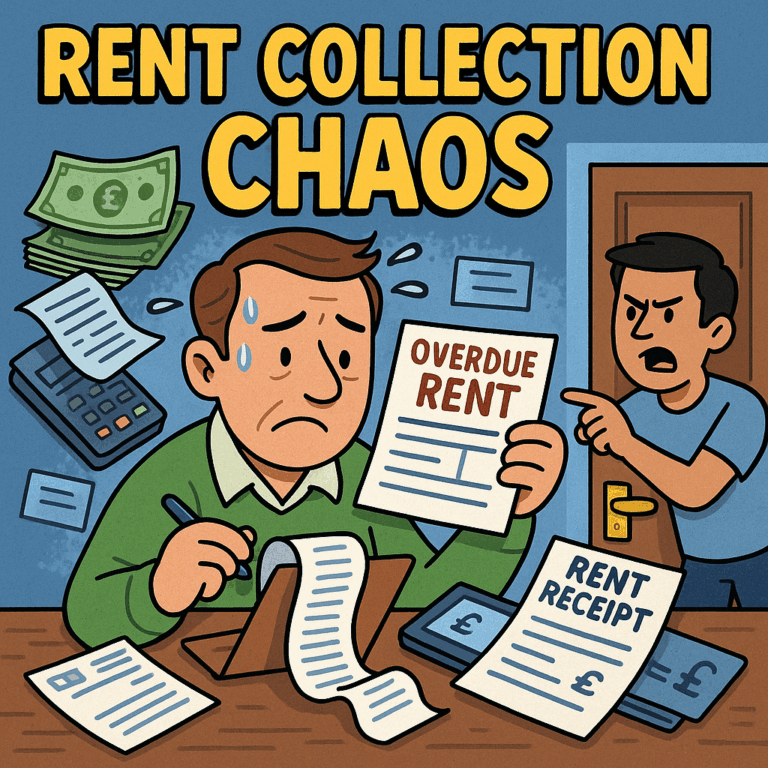

The landlord thought they were being flexible. They allowed tenants to pay rent by cash, bank transfer, or even occasionally by cheque, depending on convenience. Over time, arrears built up, and it became unclear what had been paid and what had not. Receipts weren’t always issued, and payments came from different accounts. When the landlord tried to pursue arrears, the tenant disputed the amount, claiming they had paid more than was recorded. With no consistent audit trail, the landlord struggled to prove their case.
Rent collection must be watertight. Informal systems invite confusion and disputes, particularly if payments are made in cash without receipts. The safest approach is to use a single, consistent method — ideally standing orders or direct bank transfers that create a clear digital record. For landlords with multiple properties, specialist rent collection platforms can automate reminders and reporting. In this landlord’s case, goodwill turned into chaos because of a lack of structure.
The lesson is straightforward: flexibility is rarely worth the risk when it comes to rent collection. A simple, consistent system protects landlords and tenants alike, leaving little room for disputes and ensuring arrears can be pursued with clear evidence.
What do you think?
Do you accept multiple payment methods, or do you insist on one system only? Have you ever had to chase arrears without a clear record?
Source: Gov.uk rent arrears guidance
Previous articles in this series
Landlord Lessons: The AST date mistake
Landlord Lessons: The missing inventory
Landlord Lessons: The verbal agreement trap
Landlord Lessons: The gas safety lapse
Landlord Lessons: The unprotected deposit
Landlord Lessons: The unlicensed HMO
Landlord Lessons: The electrical safety lapse
Landlord Lessons: The Right to Rent slip
Landlord Lessons: The ignored repair
Landlord Lessons: The insurance blindspot
Landlord Lessons: The rent-to-rent risk
Landlord Lessons: The Section 21 error
Landlord Lessons: The Section 8 misstep
Landlord Lessons: The selective licensing oversight
Landlord Lessons: The EPC blindspot
Landlord Lessons: The rent increase mistake
Landlord Lessons: The service charge shock
Landlord Lessons: The tax record slip
Landlord Lessons: The guarantor gap
Landlord Lessons: The referencing shortcut
Landlord Lessons: The pet clause oversight
Landlord Lessons: The fire safety lapse
Landlord Lessons: The legionella neglect
3 comments on this article
Learn from your peers’ experience
A different perspective could help you spot an issue, avoid a mistake or find a better way forward. Read the comments and add your own views if you wish.
Member Since August 2013 - Comments: 791
1:21 PM, 3rd December 2025, About 11 months ago
Indeed I got into a dispute with a tenant who paid his rent in dribs and drabs in cash whatever he could pay towards his rent and it became a nightmare to track payments and to allocate payments to various months, when he eventually fell behind on his rent by more than 2 months, it was time to serve him a Section 8 Notice, when I served him the notice he simply laughed and said since he pays me rent in cash, I cannot prove he has missed any payments, when he said that I was shocked at what lengths these rogue tenants will go to despite you being very accommodating with them.
So a lesson learned, pointless taking cash rent, and if you do make sure you issue your tenants signed rent receipts, such that a tenant cannot print his own fake receipts as they will not have your signature. So the onus is on tenants to prove to court by producing rent receipts for disputed or missed months. Make sure you sign and date the receipt..
Fortunately I had my voice recorder on and all our conversation was recorded in which the tenant is recorded saying yes he is aware he owes me 2 months rent but I cannot prove as he paid cash,
Member Since May 2015 - Comments: 2326 - Articles: 2
2:39 PM, 3rd December 2025, About 11 months ago
Reply to the comment left by Mike at 03/12/2025 – 13:21
I have a rent book, a simple preprinted A4 card folded in two. Every time a tenant pays in cash, the transaction is recorded, signed and a photograph taken. Thus, there is no dispute as to any cash payment. Fake payments are easy to detect as we use a special ink to which the tenant does not have access.
Member Since July 2013 - Comments: 1269 - Articles: 1
9:00 AM, 6th December 2025, About 11 months ago
HMRC would take a dim view of such poor unbusinesslike record keeping, no sympathy for this landlord