



Niche tenancies could be exempt from the PRS Database

9:00 AM, 22nd September 2026, 3 weeks ago
3
Categories:
High-rent tenancies may fall outside the scope of the upcoming PRS Database, as private landlords will be required to pay £65 per year to register their properties.
Glenfield Property Management explains that non-housing tenancies with annual rents above £100,000 may not be required to register on the database.
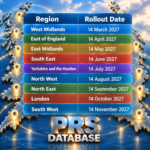
The database will launch regionally, beginning in the West Midlands in December, before being rolled out across other areas over the following 12 months.
Fall outside the PRS Database registration requirement
Yasmin Ulhaq, founder of Glenfield Property Management, explains whilst the majority of landlords will need to sign up to the PRS Database, some landlords may not be required to register.
She said: “The current registration requirements apply to landlords of assured and regulated tenancies, meaning the majority of conventional private landlords will be brought within the scheme.
“However, landlords should pay close attention to the type of tenancy they operate, as not every private tenancy is currently within scope.
“One notable example is Non-Housing Act tenancies, including high-rent tenancies exceeding the £100,000 annual rent threshold. This is particularly relevant at the upper end of the London rental market.
“A property rented for £15,000 a month, for example, generates annual rent of £180,000 and would sit outside the assured tenancy regime. Under the rules, it would therefore fall outside the PRS Database registration requirement.
“Landlords should not assume a property is exempt simply because it attracts a higher rent, however. The legal status of the individual tenancy is what matters.
“The government also has scope to extend the database to other tenancies in future, making this an area landlords will need to keep under review.”
Government has powers to amend
Henry Griffith, senior policy and campaigns officer at Propertymark, told Property118 that it’s important for landlords to know the government has not yet confirmed which tenancies could be exempt from the PRS Database.
He explains: “The Renters’ Rights Act establishes the PRS Database (now called the ‘Register Your Rental Property’ service) and currently defines the relevant tenancies within its scope as assured tenancies under the Housing Act 1988 and regulated tenancies under the Rent Act 1977. This means some non-Housing Act tenancies may fall outside the current scope of the database.
“There are a number of residential arrangements that sit outside the assured tenancy regime, including certain company, high-rent, business and specialist accommodation arrangements. The treatment of some of these ‘niche tenures’ under the PRS Database is still subject to further regulations, so it is important that the government provides clear guidance to landlords and agents.
“However, we would be cautious about describing these as definitively exempt, as the government has powers to amend the scope through regulations and further clarification is needed around some specialist tenancies.”
Unnecessary duplication of information
Mr Griffith adds the PRS Database must avoid “unnecessary duplication of information”.
He said: “Landlords and letting agents should start preparing now by reviewing their landlord, property and tenancy records, including licensing and compliance information, and addressing any gaps or inconsistencies.
“Propertymark supports the principle of a national landlord database, but it must be practical to operate and avoid unnecessary duplication of information already provided through existing systems, such as that through additional licensing for local authorities with schemes in place.
“It is also important that the respective responsibilities of landlords and agents are clear, particularly where agents are supporting landlords with registration.”
Under the new rules, landlords will be required to provide information about their properties, including:
- the property address;
- the number of residents and bedrooms;
- the amount of rent received; and
- copies of required certificates, including gas, electricity and Energy Performance Certificate (EPC) documents.
The government adds under future legislation, landlords will also be required to register any unoccupied properties before marketing them for let. Letting agents and landlords will need to include registration numbers on adverts.
Tags:
Glenfield Property Management, propertymark, PRS database, PRS Database exemptions, PRS Database fee
3 comments on this article
Learn from your peers’ experience
A different perspective could help you spot an issue, avoid a mistake or find a better way forward. Read the comments and add your own views if you wish.
Previous Article
Home sellers face competition as stock surgesRelated Articles

Tenants: Government rules meant to protect you just gave you a rent increase
4 weeks ago | 15 comments
Industry reaction to the government’s mandatory landlord database announcement
1 month ago | 29 comments
Member Since November 2019 - Comments: 208
5:58 PM, 22nd September 2026, About 3 weeks ago
Do the Tenants want everyone to know How Much Rent they are Paying ?
Sorry I forgot they were never asked.
Member Since October 2020 - Comments: 1376
11:06 AM, 23rd September 2026, About 3 weeks ago
These so-called “niche tenancies” are outside the scope of almost all of the RRA. The Act does in theory reserve the right for the Secretary of State to include them in the database requirements at a later date through a statutory instrument, but the database regulations as published don’t do that. With that in mind, what is the point of this article?
Member Since August 2013 - Comments: 33
11:45 AM, 23rd September 2026, About 3 weeks ago
Reply to the comment left by DPT at 23/09/2026 – 11:06
I guess the point of the article is that tenancy types which are currently excluded from the database could be added in the future, so keep an eye on things.