

Landlords face expensive EPC upgrades as Ed Miliband’s own home fails to meet targets
2 years ago | 15 comments


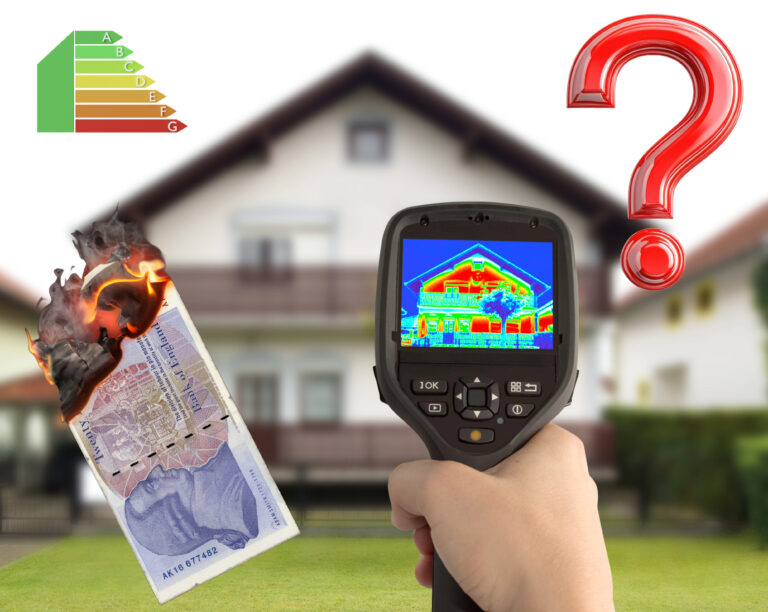
With the new warm home £30,000 grants it’s difficult to imagine a more inefficient way of improving energy efficiency,when so much can be done with much less.
The government say they are looking for growth yet are implementing a policy of cash burn and waste? This new system may put huge amounts of money into areas that according to the published data will almost certainly evaporate cash and deliver little return. In a war economy which is sadly where we are, the need to do sensible things is paramount.
The most effective and efficient way to save energy is insulation. This remains roof insulation and double glazing, cavity wall and modern gas boilers that operate at more than 90% efficiency.
Firstly, consider other flawed policy where we are misled about how green our solutions actually are. Whilst we like to think electric cars are totally green, the truth is they aren’t as good as we think.
In the UK one third of all our electric is generated by gas. This means contrary to utility supplier rhetoric of totally green cars, the truth is a third of electric cars run on electricity generated by gas powered stations. This means one third of British electric cars are effectively run not on electric, but gas.
Making matters worse, these gas power stations that generate the electric tend to be much more inefficient than homes that have boilers. They run at around 50% efficiency meaning half the energy in the gas is lost before it becomes useful electric. Compare this to high efficiency home gas boilers where 90% of the gas is turned into useful heat energy making home gas highly effective.
In relation to new warm home grants by the Labour government which want to offer £30,000 to improve home efficiency. It is difficult to find a more inefficient way of achieving benefits. The clue is in the £30,000 figure which is massive compared to what is needed to deliver large across the board improvements.
The evidence is shown on millions of EPC reports that we can all look up by postcode. The certificates show the current assessment and impact and costs of improvements of individual changes.
Unfortunately, by offering you £30,000 per property the government has decided to throw money we don’t have at expensive improvements that deliver very slim returns and benefits. How do they expect growth with policies that burn the countries cash for little benefit?
Don’t believe me, consider the data held on millions of EPC certificates available on the government website. Take any postcode and look one up.
Here is one which highlights the issue very clearly. In each EPC assessment there is a section for improvement measure and cost benefit. This is an actual one for a property that is currently E.
Step 1: Increase loft insulation to 270 mm
Typical installation cost
£100 – £350
Typical yearly saving
£181
Potential rating after completing step 1
57 D
Increasing loft insulation gives a 50% return on investment. You spend £350 and get £182 back each and every year. This is phenomenal and would help the economy grow in an efficient manner. Hardly surprising as we all know heat rises so it’s no surprise keeping it in is so effective. Mr Miliband please give this person £350 and save £180 a year or ask his utility company to do it and do it now!
Typical installation cost
£500 – £1,500
Typical yearly saving
£176
Potential rating after completing steps 1 and 2
64 D
This measure would give a 20% return on investment – returns only dreamed of by most of our industries.
Typical installation cost
£300 – £600
Typical yearly saving
£23.
Potential rating after completing steps 1 to 3
65 D
This returns 5% on investment – the kind of returns we could get in the bank without the work?
Typical installation cost
£800 – £1,200
Typical yearly saving
£65
Potential rating after completing steps 1 to 4
68 D
Around 7% return
Typical installation cost
£25
Typical yearly saving
£36
Potential rating after completing steps 1 to 5
69 C
A tiny spend but returns more than 100% on the investment. Low energy bulbs are hugely beneficial.
Typical installation cost
£350 – £450
Typical yearly saving
£30
Potential rating after completing steps 1 to 6
70 C
A 10% return and relatively low cost item.
Typical installation cost
£4,000 – £6,000
Typical yearly saving
£30
Potential rating after completing steps 1 to 7
71 C
Wow a 0.5% return on money – No sane business would do this, it’s very expensive yet highly ineffective. Yet the warm home grants just announced with throw millions into this. Why?
Typical installation cost
£3,500 – £5,500
Typical yearly saving
£345
Potential rating after completing steps 1 to 8
81 B
Solar panels returning 10% which is worthwhile.
The conclusions here are that for a much smaller amount of spend across the board much more energy can be saved by picking the most effective measures.
These are loft insulation, cavity wall (controversial), double glazing where the government would see huge returns for the investment. Some of the measures are frittering away what is left of the countries wealth. I don’t intend this to be political but hope the government can understand that the best returns come from low cost investment across the board rather than huge grants for individual properties where money evaporated for little extra gain.
To achieve the best efficiency grants could be limited to £3,000. Spending huge amounts on expensive items with diminishing returns is frivolous and wasteful?
The numbers are right there, but what does the Property118 community think?
Thanks,
Paul
3 comments on this article
A different perspective could help you spot an issue, avoid a mistake or find a better way forward. Read the comments and add your own views if you wish.
Previous Article
Buy to let lenders expand financing options
2 years ago | 15 comments

2 years ago | 17 comments

2 years ago | 8 comments
Member Since April 2021 - Comments: 105
11:31 AM, 4th April 2025, About 2 years ago
You’re still in the realm of using common sense which is the delta you’re identifying between you and the government’s stance. It’s not the government’s money… they don’t care. The money is administered through departments and quangos who are penalised with a smaller future budget if they don’t spend (waste!) all of their current budget.
Waste, fraud and abuse are the bedfellows in any government programme.
Member Since September 2018 - Comments: 3773 - Articles: 5
5:42 PM, 4th April 2025, About 2 years ago
All good …but..
Increasing loft insulation gives a 50% return on investment. You spend £350 and get £182 back each and every year.
The LL pays out but does not get the return on investment. That would be the tenant. But only if they actually use the amount of energy the EPC assesses is ‘average’.
Member Since June 2019 - Comments: 978
3:35 PM, 5th April 2025, About 2 years ago
I don’t think your figures show the whole picture. Let me explain.
Yes the actual insulation of a party wall may have your cost but, who is paying to move electric sockets, wall lights, radiators, redecorating (probably the whole room), modifying skirting boards, possibly having to replace some, any coving. Plus the time taken to empty the room and reinstate at the end. All of this is a far bigger cost than the figures suggest. The same is true of underfloor insulation where floor coverings, door modification would quickly add up, let alone the nightmare of trying to change the floor level of a kitchen