
Landlords open to installing electric vehicle chargers for tenants
2 years ago | 9 comments


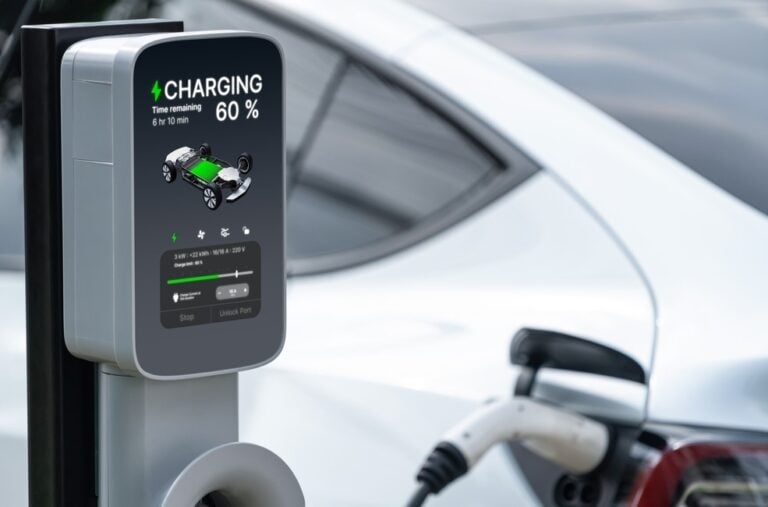
Landlords are being advised to get ahead of the curve by installing electric vehicle (EV) charging points at their properties.
This move could not only increase rental income but also make their properties more desirable to renters.
The call is being made by home and car insurance platform Quotezone.co.uk who point out that adding an EV charging point could also boost the property’s value by £5,000.
With more than 40% of young drivers in the UK already owning electric vehicles, landlords risk losing out on potential renters by not offering these facilities.
Greg Wilson, a landlord insurance expert and CEO of Quotezone.co.uk said: “We would encourage more landlords to start installing EV chargers at their properties, it’s a smart move to help future-proof their investment.
“It’s also a win-win for both renters and landlords, tenants get convenient and cost-effective charging options, while landlords are able to increase the value of their property by up to £5,000.”
He added: “Having the option to charge an electric vehicle at home will serve as an attractive selling point to prospective tenants.
“Interestingly, 40% of the UK’s youngest drivers have already opted for electric vehicles, ahead of the ban on the sale of new petrol and diesel cars – considering 74% of this 16–24-year-old age group rent, it’s a sensible investment for landlords.”
The platform also says that by taking action before the 2035 ban on new petrol and diesel vehicles, landlords can reap the benefits.
Charging an EV at home is a convenient and cost-effective option for drivers, averaging around £13 per charge compared to £26 at public stations.
Having a home charging point is a valuable amenity that could increase the property’s value and, potentially, boosting rental income.
The National Association of Property Buyers suggests installing an EV charger could boost a home’s value by up to £5,000 – creating a win-win situation for both landlords and tenants.
Quotezone also highlights that installation costs for landlords could be minimal, with some electricity providers offering free EV charger installation.
Alternatively, the typical cost of buying and installing a charger is around £1,000.
Landlords are also being advised to shop around for the best deals and check with the council if cables need to cross a public footpath, as permission might be required to avoid trip hazards.
Mr Wilson also reminds landlords: “Just remember to keep insurance providers up to speed with any changes or upgrades to the property – invalid or outdated information can actually void insurance policies, leaving homeowners, renters or landlords unprotected.”
20 comments on this article
A different perspective could help you spot an issue, avoid a mistake or find a better way forward. Read the comments and add your own views if you wish.
Previous Article
Council flat front fire door installation?
2 years ago | 9 comments

5 years ago | 19 comments

5 years ago | 3 comments
Member Since December 2023 - Comments: 1665
8:05 AM, 30th September 2024, About 2 years ago
I’ll install some diesel pumps at the same time.
Seriously, if I had a tenant that had an EV, I’d let them install an EV charge point. I’d refund part of the cost if ever they left. Alternatively, I could install one at my expense and the rent would rise accordingly.
Member Since March 2022 - Comments: 146
8:22 AM, 30th September 2024, About 2 years ago
All depends on if the property is suitable. If so I would ensure I fit an untethered version therefore it’s just basically a 7kW outdoor socket and the tenant is responsible for the cable. The only problem I have is that most if not all chargers require and APP and account to operate and the charger serial number links to the account so this could become a pain, especially if the tenant want an EV tariff that “smart” charges on low rates.
Be interested to know how other landlords are getting on with this?
Member Since June 2019 - Comments: 977
8:44 AM, 30th September 2024, About 2 years ago
Very few landlords need to make their property more desirable at present, letting is currently more like crowd control.
Member Since December 2023 - Comments: 1665
9:31 AM, 30th September 2024, About 2 years ago
Reply to the comment left by Paul Essex at 30/09/2024 – 08:44
I certainly don’t need to spend more of my meagre profit to attract tenants.
I had a disabled tenant that was going to have an EV charge point fitted for free by some charity or other. The property became vacant before it could happen.
Member Since September 2018 - Comments: 3766 - Articles: 5
9:38 AM, 30th September 2024, About 2 years ago
Not bothering to even think about this until a long term tenant requests one . Most EV’s are company let schemes so my way of thinking is the company must have charging points at their office/base, so the tenant chan charge there.
Anyone thinking of installing as part of a new build now?
Member Since March 2024 - Comments: 64
11:05 AM, 30th September 2024, About 2 years ago
Reply to the comment left by Cider Drinker at 30/09/2024 – 08:05
Exactly my thoughts, let the tenants do it if they want, we sure don’t need more cost which we would have to pass on.
Member Since January 2022 - Comments: 272
11:35 AM, 30th September 2024, About 2 years ago
Reply to the comment left by Cider Drinker at 30/09/2024 – 08:05
If a tenant wanted solar panels and a battery, CD, would you have same response ie tenant can fit it and if they leave you would make an offer to them etc.
I assume if car charger, solar, battery were to be installed the capital outlay would be against capital and not revenue? It could be years before I see my money back.
Might it have a positive impact for EPC?
Member Since August 2016 - Comments: 1198
11:47 AM, 30th September 2024, About 2 years ago
I have some tenants in a house who have an electric vehicle and were charging it on the drive via a 13 amp extension cable through an open bedroom window. They asked if I could install a dedicated line for them. The consumer unit is on the outside of the house. Electrician fitted a 13 amp weatherproof socket above the consumer unit and by luck there was space for it’s own dedicated circuit breaker. (The car charger showed it used 10 amps). Total cost £90
Member Since June 2015 - Comments: 366
12:01 PM, 30th September 2024, About 2 years ago
EV chargers are good in theory but when to install them is a bit “chicken and egg”.
You can get a £350 grant towards the cost of having a charge point installed but it helps if you know which charge point is going to be most suitable for the car and electric tariff. Some chargers don’t fully work with every type of car or with solar panels. Some chargers are more sophisticated than others but they cost over £1000. With the right level of engagement savings can be significant. However, in most rental situations it’s the tenant who would be making the savings, so why should the landlord pay for a charger that the tenant may not engage with?
I don’t understand why the article says a secondhand EV charge point would add £5000 to the value of a house. If it’s a cheap, basic one it would be a negative for anyone who is used to a top end charger (which can be installed from scratch for around £1100).
Member Since June 2015 - Comments: 366
12:19 PM, 30th September 2024, About 2 years ago
Reply to the comment left by JeggNegg at 30/09/2024 – 11:35
Solar panels and batteries usually improve the EPC. I don’t think a car charger makes a difference.
When the FIT payments existed solar on rental properties was a very good investment. The landlord got the FIT payment and the tenant got cheap electric. A system would pay for itself within about 7 years. Now FIT doesn’t exist for new installations it’s not economically sensible to put them on most rental properties unless it happens to be the easiest way to improve the EPC.
The really crazy thing with EPCs is the solar panels don’t have to be viable, they just need to be there. For properties that need a few points boost for the EPC bunging some solar panels on any roof may be a far more cost effective and tenant friendly solution than replacing a solid floor or installing internal insulation