

Landlords told to prepare early for EPC C 2030 upgrades
5 months ago | 15 comments


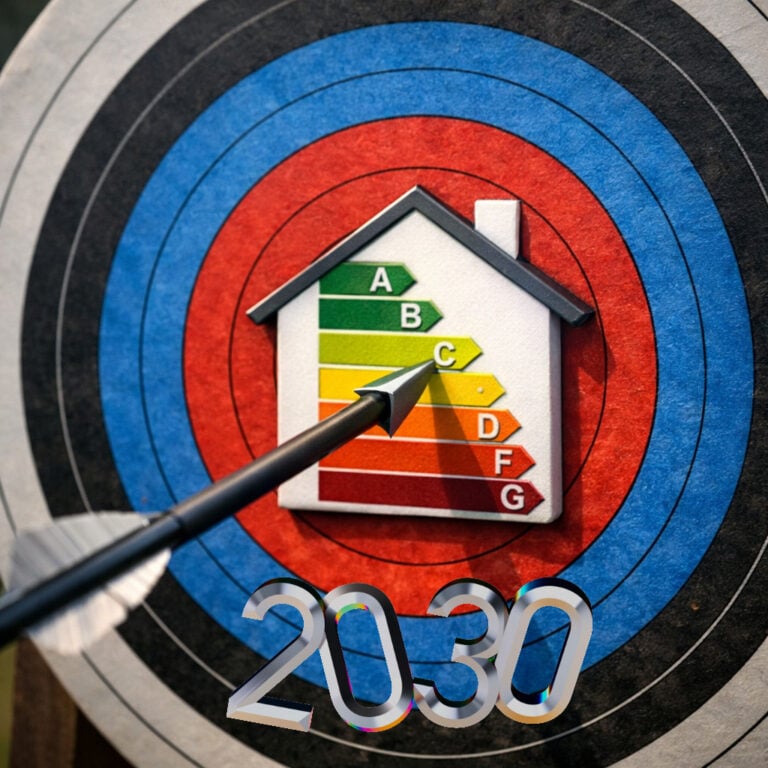
More landlords may already be closer to meeting EPC C targets by 2030 than they think, according to a new report.
Data by property management firm Rushbrook & Rathbone reveals smaller private rented properties and flats are more likely to meet the EPC C deadline, while landlords with larger properties may struggle to meet the target.
The findings come as the government proposes all private rented properties will need to meet EPC C targets by 2030.
According to the data, properties with two and three habitable rooms currently hold the highest average EPC score at 70.2, placing them comfortably within the current EPC C banding of 69 to 80.
Flats show stronger energy efficiency performance compared with other property types. They currently hold the highest average EPC score at 72.8, ahead of houses (70.0), maisonettes (70.1) and bungalows (67.6).
Private rented homes compare favourably with owner-occupied properties. The average EPC score for privately rented homes stands at 68.9, above the owner-occupied average of 68.1 and just marginally below EPC C territory.
Roma Sharma, managing director of Rushbrook & Rathbone, says landlords have already been investing in their properties to prepare for the deadline.
Roma Sharma, managing director of Rushbrook & Rathbone, explains landlords have been investing in their properties to meet the deadline
She said: “There has understandably been a great deal of concern amongst landlords regarding proposed EPC requirements and the potential cost of bringing properties up to standard.
“However, what this data suggests is that many landlords may already be in a far stronger position than they expect, particularly those with smaller rental homes or flats, which naturally tend to perform better from an energy efficiency perspective.
“Over recent years, many landlords have already invested in improvements such as upgraded heating systems, insulation, glazing and lighting, often as part of wider refurbishment and maintenance programmes.”
However, the data shows that larger properties face greater challenges in meeting the EPC C deadline.
Homes with more than nine habitable rooms record an average EPC score of 63.0, placing them firmly within EPC D territory.
Ms Sharma added that landlords upgrading properties face ongoing hurdles.
She said: “Compliance is rarely something that can simply be dealt with once and then forgotten about. Standards, legislation and assessment methodologies continue to evolve, particularly as the private rented sector becomes more regulated.
“For many landlords, the challenge over the next four years may be less about dramatic upgrades and more about ensuring standards are maintained consistently over time through proactive management, regular maintenance and ongoing investment in the property.”
2 comments on this article
A different perspective could help you spot an issue, avoid a mistake or find a better way forward. Read the comments and add your own views if you wish.
Previous Article
The Great Landlord Shake-Up: Strategic Planning for 2026 and BeyondNext Article
Good intentions alone do not house people - SAL
5 months ago | 15 comments

5 months ago | 2 comments

5 months ago | 34 comments
Member Since March 2024 - Comments: 29
6:08 PM, 8th June 2026, About 4 months ago
One of my flats had a C rating, with sash windows and an ancient boiler. We installed uPVC double-glazed windows and a new condensing boiler. This changed the rating to a D.
Nobody was able to explain that to us
Just another reason we now have our whole portfolio for sale. Goodbye tenants, and good luck!
Member Since June 2019 - Comments: 973
9:32 PM, 8th June 2026, About 4 months ago
Octopus are currently offering a ‘deal’ on heat pumps something like 5000 IF you qualify for the grant, with the statement that they could last 20 years.
Buried down in the website the actual household savings are a huge 210 per year so after 20 years you will have saved less than it cost and you need to buy another one 😁. I think this is called ‘wokenomics’.