

Induction hobs in HMOs?
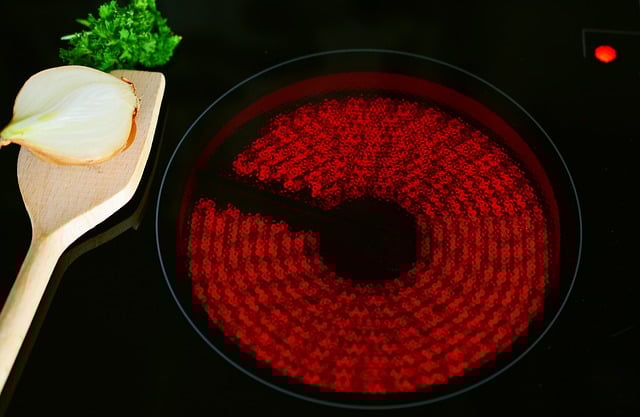

Does anyone have good or bad experiences with induction hobs in HMOs?
We are about to refurbish some communal kitchenss in HMOs occupied by working people (not students), and weighing up whether to replace the existing gas hobs with induction hobs.
We hope they would be easier to clean and maintain, one less item on an annual gas safety check, possibly less CO2 emitted. Any other potential benefits?
The potential disadvantages could be: installation cost (the electrician says not much work needed), possibly new pots and pans needed (else some simple iron “induction adapters”). Possible damage to hob glass surface? Any other downsides?
Many thanks
Richard
Comments
Have Your Say
Every day, landlords who want to influence policy and share real-world experience add their voice here. Your perspective helps keep the debate balanced.
Not a member yet? Join In Seconds
Login with
Member Since July 2020 - Comments: 5
3:49 PM, 9th July 2022, About 4 years ago
Induction hobs require suitable cookware marked “suitable for induction”. It should be said that sometimes they aren’t, and the heat simply doesn’t transfer.
Member Since September 2013 - Comments: 35
2:21 PM, 12th July 2022, About 4 years ago
What about halogen hob?
Member Since October 2020 - Comments: 1
3:54 PM, 31st July 2022, About 4 years ago
If plugged into a socket, then they will need to be PAT tested.
It may be better to have them directly wired into the property.
I’m not an electrician though.
Some models have Childproof Lock to prevent accidental switching on.
When the pan is removed/lifted high enough from the active hob then the heating circuit is disengaged so the active hob starts to cool straight away.
Also the area more than just an inch or so away from the active hob remains cool to touch even whilst the active hob is heating food in the pan.
Member Since May 2016 - Comments: 23
12:24 PM, 2nd August 2022, About 4 years ago
I consider induction hobs are an excellent alternative to gas or other forms of electric hob.
They are very fast to hear up and once the pan is hot they can continue cooking at a low setting. Cheaper than other forms of cooking. Big advantage is no risk of fire and the glass/ceramic surface does not heat up so a big safety bonus here. Very easy to clean as spilled food does not get burned on.
A couple of disadvantages is that they are slightly more expensive (but not much) and they require pans with ferrous metal in them so that they heat up.