
Citizens Advice calls for ‘Awaab’s law’ to be extended to PRS
4 years ago | 22 comments


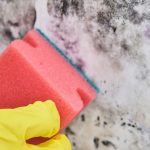
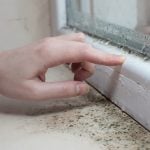
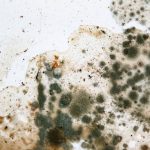
Landlords should be educating their tenants and inspecting properties regularly in a bid to combat the issues that come with dangerous mould, one organisation says.
No Letting Go also points out that ‘proactive ventilation’ can help reduce the risk of damp and mould in rental properties.
The inventory specialists warn that letting agents and landlords must monitor properties closely and educate tenants on the causes of damp and mould.
While mould has been an issue for years it has been brought into the spotlight following the death of two-year-old Awaab Ishak in December 2020.
The firm’s chief executive, Nick Lyons, said: ““Although recent headlines have focused on the social housing sector, dangerous damp and mould has long been a problem in private rentals too.
“Damp and mould growth is number one on the checklist for the Housing Health and Safety Rating System (HHSRS) that is also part of the Fitness for Human Habitation Bill.”
And with research suggesting that the average family produces 20 pints of moisture a day, tenants play a key role in reducing mould growth.
With so much moisture, day-to-day living can cause mould growth when spores germinate on contact with surfaces that are damp through condensation.
The government has pledged to review landlord guidance on the health risks of damp and mould with housing minister Michael Gove warning that the private rental sector, as part of wider rental reforms, will see time limits on investigating hazards and a new ombudsman.
No Letting Go has a range of tips for reducing moisture that it frequently circulates to tenants.
These include opening trickle vents in double glazed windows, keeping kitchen and bathroom doors shut and using extractor fans.
The firm also says that mid-term property inspections are crucial to allow landlords and letting agents to identify signs of mould growth.
Mr Lyons said: “These actions may seem straight-forward, but it’s important for landlords and letting agents to remind tenants of their responsibilities.
“Reducing the opportunities for mould to grow is crucial in preventing future health problems for tenants while also maintaining landlords’ properties.”
Some of the other steps landlords and agents can encourage tenants to take, according to No Letting Go, are:
Making sure the heating isn’t on for short periods of time (one hour or less) as this can make moisture problems worse
Putting furniture up against inside walls without overfilling wardrobes, cupboards and chests of drawers.
Opening windows wide for short periods of time (30-60 minutes), making sure not to over-ventilate or the property will lose heat.
12 comments on this article
A different perspective could help you spot an issue, avoid a mistake or find a better way forward. Read the comments and add your own views if you wish.
4 years ago | 22 comments
4 years ago | 11 comments
4 years ago | 4 comments
Member Since July 2013 - Comments: 154
4:54 PM, 4th March 2023, About 4 years ago
Reply to the comment left by John Cook at 02/03/2023 – 12:33
Why didn’t it work in all cases?
Member Since September 2014 - Comments: 5
5:46 PM, 4th March 2023, About 4 years ago
Reply to the comment left by philip allen at 04/03/2023 – 16:54
One of our student lets had keen sportsmen tenants who used the radiators to dry their wet kit while they were at lectures.