

Government vows to tackle damp and mould in PRS
10 months ago | 18 comments


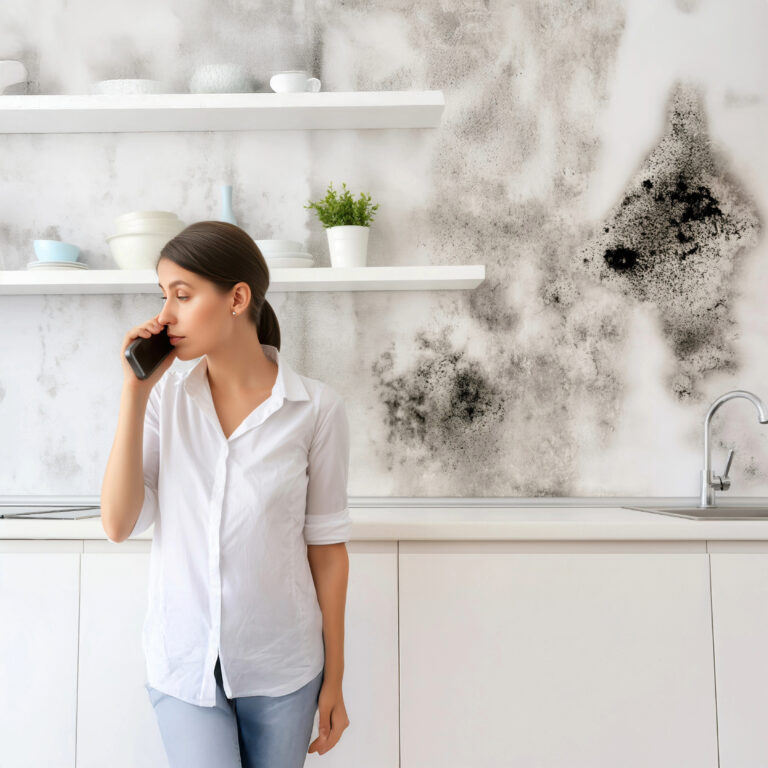
An organisation claims private renters and social housing tenants are suffering anxiety as damp and mould problems in their homes go unresolved.
Research by the Centre for Ageing Better says landlords play a vital role in tackling damp and mould issues, but claims many tenants’ mental well-being is being negatively affected when problems go unresolved.
The organisation says damp and mould can be caused by a range of factors, including inadequate heating, poor insulation and building quality, slow repairs, and a lack of ventilation.
According to the survey, of only 3,982 people nationwide conducted by Censuswide and commissioned by Health Equals, almost three in ten (29%) respondents living in private rented accommodation or social housing who had previously experienced problems with condensation, damp, or mould said their landlord had not resolved the issue.
However, a third (33%) reported that their landlord had successfully addressed the problem.
More than 40% of survey respondents living in privately rented or social housing with a household member who has experienced stress, anxiety or depression due to cold, condensation, damp or mould in the home, reported that the issue was not resolved by their landlord.
Millie Brown, deputy director for Homes at the Centre for Ageing Better, said: “No one should have to live in a cold, damp or mouldy home that damages their health and potentially poses a threat to their life.
“But the reality is that many people most at risk, especially those with health conditions and older people, are disproportionately living in poor quality homes that are making them more ill.”
As previously reported by Property118, in the latest English Housing Survey, the majority of private renters (77%) agreed they felt safe and secure in their home, and 65% of renters said their landlord responded promptly to maintenance issues.
The research also reveals 57% of people who own their home outright are concerned about energy bills, increasing to 74% among social tenants and 76% among private tenants.
One in four people from low-income households (25%) cannot comfortably heat their living rooms in cold weather, compared to around one in 20 (6%) among high-income homes.
More than one in five people (21%) from low-income households live in homes with condensation, damp or mould compared to around one in eight people (12%) in high-income households.
The organisation is calling for the Decent Homes Standard implementation date of 2035 to be brought forward claiming “renters shouldn’t have to live in homes that could damage their health for another decade.”
The group is also calling for the government to introduce a Warm Homes Plan to tackle “the poorest quality housing stock and those who need support the most.”
14 comments on this article
A different perspective could help you spot an issue, avoid a mistake or find a better way forward. Read the comments and add your own views if you wish.
Next Article
Lower mortgage rates to boost housing market
10 months ago | 18 comments

10 months ago | 5 comments

10 months ago | 3 comments
Member Since September 2018 - Comments: 3759 - Articles: 5
4:37 PM, 13th January 2026, About 9 months ago
Reply to the comment left by LaLo at 13/01/2026 – 13:49
Keep taking regular gas readings as and when you can and definitely at LL checks. Take photos and note the readings on the report.
Explain the underuse/lack of adequate heating of the property (by referring to ‘average’ use figures as per EPC to show this is the expected norm).
If he screams lack of money/cost of living issues then email him a link to the local council website where he can apply for assistance or CAB where he can look for further support.
Give it a month…. then issue a S21!
Member Since September 2018 - Comments: 3759 - Articles: 5
4:41 PM, 13th January 2026, About 9 months ago
DHS standard means nothing if the reality is as they say….
One in four people from low-income households (25%) cannot comfortably heat their living rooms in cold weather, compared to around one in 20 (6%) among high-income homes.
More than one in five people (21%) from low-income households live in homes with condensation, damp or mould compared to around one in eight people (12%) in high-income households.
Nothing will change if its simply down to affordability. It remains tenants personal choice to turn the heating on or not.
If you can’t legislate against that, then you can’t enforce when it doesn’t happen either.
Member Since September 2018 - Comments: 3759 - Articles: 5
4:45 PM, 13th January 2026, About 9 months ago
“But the reality is that many people most at risk, especially those with health conditions and older people, are disproportionately living in poor quality homes that are making them more ill.”
No – the reality is that many of those same people are on limited income which means they cannot afford to ensure the good standard of property they live in is actually sustained.
Member Since May 2023 - Comments: 12
5:29 PM, 13th January 2026, About 9 months ago
Reply to the comment left by Miserable Old Git at 13/01/2026 – 09:53
Already started selling up.