

Potential CGT changes could cost landlords £11,000
2 years ago | 13 comments


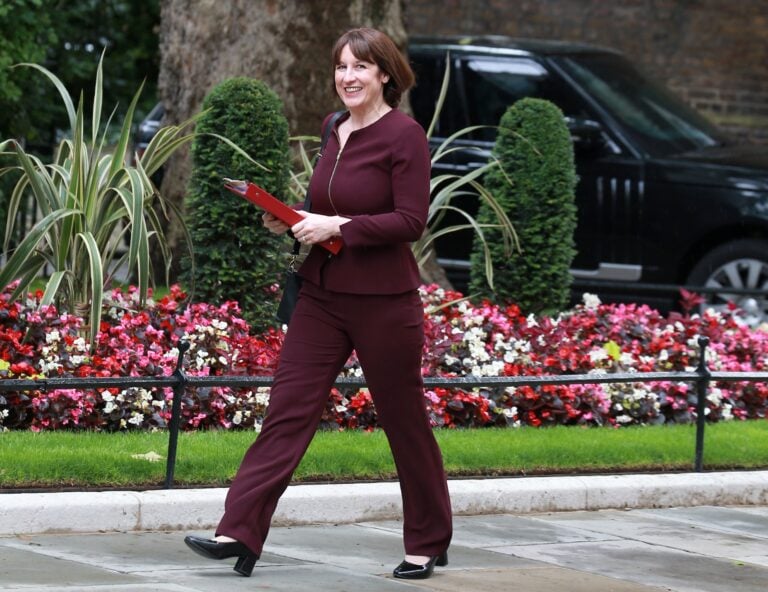
Rumours of a capital gains tax hike could take a toll on landlords and tenants.
In an interview on Bloomberg TV, Chancellor Rachel Reeves refused to rule out an increase in capital gains tax in the October budget.
This uncertainty is already affecting the property market, with the Royal Institution of Chartered Surveyors (RICS) reporting a 16% drop in new landlords instructing estate agents in the three months leading up to July, as landlords grow more concerned about Labour’s tax plans.
The Chancellor told Bloomberg TV: “I want to bring that tax burden down because I want to make Britain the best place to start and grow a business, and I want working people to keep more of their own money in their pockets.”
However, when asked directly about an increase in capital gains tax Ms Reeves refused to give a straight answer and said: “It is always important when you’re deciding tax policy to strike the right balance.”
Sarah Coles, head of personal finance, at Hargreaves Lansdown, says an increase in capital gains tax could make landlords leave the sector and leave renters struggling to find a place to live.
She said: “The prospects for renters could get even tougher in the coming months if buy-to-let landlords take fright at rumours of a possible capital gains tax hike.
“If Rachel Reeves boosts the CGT rate to match income tax, a property investor who pays higher-rate tax would see their tax bill rise by two-thirds when they come to sell. This could encourage more landlords to sell up before any potential change comes in, cutting the number of rental properties again.
“This is likely to push up rents even further, taking a horrible toll on tenants.”
The news comes after a survey by Quilter, a wealth management and financial advisory firm, reveals UK landlords could be £11,000 worse off on average if capital gains tax (CGT) rates are adjusted to match income tax rates.
32 comments on this article
A different perspective could help you spot an issue, avoid a mistake or find a better way forward. Read the comments and add your own views if you wish.
Previous Article
Getting Started in Buy-To-Let
2 years ago | 13 comments

2 years ago | 1 comments

2 years ago | 6 comments
Member Since July 2017 - Comments: 465
11:48 AM, 14th August 2024, About 2 years ago
Reply to the comment left by Tony Clements at 14/08/2024 – 11:13Ever since they brought in two rates of CGT they always count your capital gain as income to determine whether you pay the 18% or the 28% of CGT. (temporarily reduced to 24%)
The most you can earn before you pay 40% or higher income tax is £50,270. So for example if your normal income was £30,270 and you made a £43,000 gain pre October budget your tax situation would be as follows:
Deducting the £3,000 tax free allowance leaves a net gain of £40,000. £20,000 at 18% = £3,600 tax. £20,000 at 24% =£4,800. So at present your total CGT tax bill would be £8,400.
But yes you are right. If the new CGT rates are aligned exactly with current tax rates and bands the new rates would be 20%, 40% and 45%, and yes if the capital gain was very big and pushed the total of your normal income + the capital gain to over £137,710 then at least some of the gain would be taxed at 45%
Member Since August 2024 - Comments: 2
12:34 PM, 14th August 2024, About 2 years ago
Rome was not built in a day but they are having a good try at destroying Britain in the short time they have been in power. Riots police state increased taxes and cuts. Sounds like a recipe from people who are floundering. One of the trinity has kept very quiet
I should be one of their target electorate, blue collar worker all my working life. It’s enough to make you turn Blue
Member Since August 2024 - Comments: 2
12:38 PM, 14th August 2024, About 2 years ago
Reply to the comment left by Dennis Forrest at 14/08/2024 – 11:48
Who decides what the gain is
Member Since May 2024 - Comments: 170
12:46 PM, 14th August 2024, About 2 years ago
Reply to the comment left by William Robson at 14/08/2024 – 12:38
You pay when you’ve sold it.
The final price minus the price you bought it for. Multiply that by the ratio of (months not your primary residence/ total months). Subtract any allowed CG costs and subtract 3k. Multiply by CG rate.
You get 30 days to pay up I think.
Member Since June 2017 - Comments: 3
5:07 PM, 14th August 2024, About 2 years ago
Reply to the comment left by Dennis Forrest at 13/08/2024 – 10:59
It would be rather silly to increase it to 40% for the reason you say in your last sentence. Indexation for inflation would need to be introduced as there would not be any incentive for private money to be invested in anything in the Uk.
Member Since August 2016 - Comments: 1198
5:24 PM, 14th August 2024, About 2 years ago
Reply to the comment left by Jo Taylor at 14/08/2024 – 17:07
But 40% specifically for rental properties would work. Best way to stop landlords selling up.
Member Since February 2020 - Comments: 23
7:24 PM, 14th August 2024, About 2 years ago
Reply to the comment left by Dylan Morris at 14/08/2024 – 11:38
So one property landlords will hit the 45% tax level. Wonderful
Member Since July 2017 - Comments: 465
10:59 PM, 14th August 2024, About 2 years ago
Reply to the comment left by Tony Clements at 14/08/2024 – 19:24
So it’s the usual case of hope for for the best but prepare for the worst. If you are thinking of selling anyway than I would think it best to sell/exchange now before 31st October. Hopefully we have just sold our holiday let property and completion is in the first week of September. We hope to benefit from the 10% BADR rate.(Business Asset Disposal Relief)
Member Since January 2024 - Comments: 426
3:23 PM, 16th August 2024, About 2 years ago
Reply to the comment left by Jack Jennings at 14/08/2024 – 12:46
That calculation isn’t entirely correct, plus they now allow a ‘generous’ 60 days from completion to file a CGT return and pay any tax due.
If you want to protect your position, in case CGT is aligned with income tax rates, you may be able to make a disposal for tax purposes without actually selling your property. This could be useful if you are definitely selling in the short/medium term and want to lock in the amount of CGT you pay. However, it would depend on the exact circumstances as to whether it is viable or not.
Member Since February 2015 - Comments: 29
7:28 AM, 17th August 2024, About 2 years ago
Reply to the comment left by Ryan Stevens at 16/08/2024 – 15:23
How does that work, wouldn’t the govt say it is artificially selling, ie avoiding higher rate cgt