
When condensation and mould is caused by the tenant?
3 years ago | 79 comments


It’s a common issue for landlords around the country – dealing with tenants who are reporting issues with damp and mould.
Now researchers share eight tips for the 73% of Brits experiencing condensation on their windows and nearly half (45.1%) who suffer from mould outbreaks in their homes during winter.
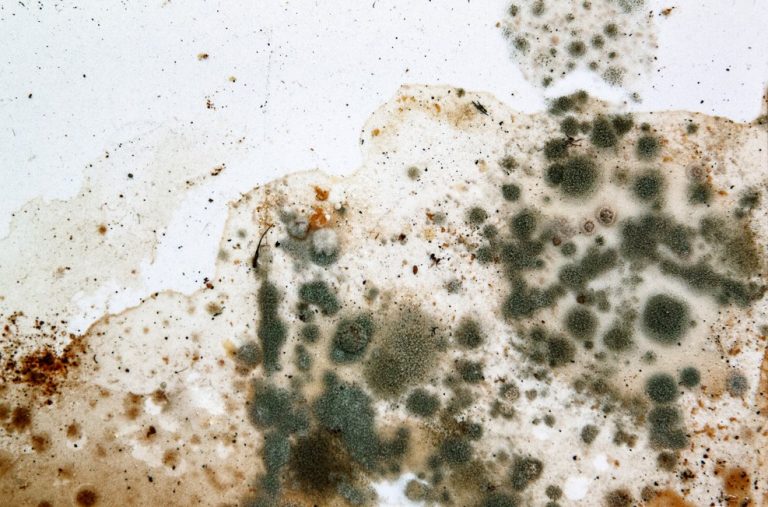
These problems are caused by excess moisture in the air, which condenses on cooler surfaces and creates the perfect breeding ground for mould, which can be toxic.
Stuart Smith, an indoor air quality expert at ventilation and heating manufacturer Zehnder, says: “Feeling cosy and staying indoors more throughout the winter months is a natural reaction to the cold, but we need to be aware that our basic everyday activity – like making hot drinks, cooking, bathing and drying clothes inside – produces more humidity in the air leading to the risk of condensation, which can cause harmful damp and mould.
“The average family produces 24 pints of water vapour a day through routine activity but many think opening windows and turning on extract fans, which would help extract the moisture, will make their homes too cold, so don’t.
“People often complain of feeling run down in the winter with tickly coughs, stuffy noses and dry or itchy skin and these are all symptoms of a bad indoor climate, not just the common winter cold.
“Left unchecked damp and mould can do serious harm.”
He continued: “In a home, a little condensation may not seem like a big deal, but the truth is, it’s a silent indicator of potential trouble.
“Ignoring this seemingly harmless moisture build-up, like many do – with one in 10 opting to just paint over mould breakouts – can pave the way for a host of larger issues.
“It’s best tackled as soon as possible so people can go back to enjoying takeaways and movies in a safe and healthy home.”
Stuart offers these tips on how to keep your home healthy this winter:
6 comments on this article
A different perspective could help you spot an issue, avoid a mistake or find a better way forward. Read the comments and add your own views if you wish.
Previous Article
Zoopla reports a rebound in the housing sales market
3 years ago | 79 comments

3 years ago | 4 comments

3 years ago | 21 comments
Member Since December 2023 - Comments: 43
12:56 PM, 29th January 2024, About 3 years ago
The damp in my rental was picked up by the council select licensing inspector in December. The conversation with the tenant went as follows. “When I grew up in the 60s and 70s my mum used to come into my room in the winter, shout at me to get up, then rip open the curtains, cloth in hand to wipe away the condensation. When asked why she did it, her reply was Condensation leads to mould and that stuff is bad for you. Tenant does now open windows. I lent her a dehumidifier too. She said it was working well and collecting water although I could see it laying on the floor sideways, unplugged and bone dry. I placed a hygrometer on one visit where I can see it from outside. It is constantly at between 67 to 71 % humidity
Member Since January 2024 - Comments: 13
2:34 PM, 29th January 2024, About 3 years ago
It can be difficult for tenants to understand where the problem comes from, especially if the house has previously had no issues. However, by sealing up gaps and cracks we are creating problems that simply weren’t there before when our houses had more natural ventilation through dated glazing or open chimneys. I always use the analogy of getting into a car after a walk in the rain – the windows will mist up very quickly if you don’t stick the air con on or open a window.
Member Since September 2023 - Comments: 335
1:59 PM, 30th January 2024, About 3 years ago
Not hard well ventilated and constant temp simple ,ifyou have mould and condensation problems after this you have a problem.
Member Since September 2018 - Comments: 3759 - Articles: 5
4:07 PM, 30th January 2024, About 3 years ago
Reply to the comment left by Paul at 29/01/2024 – 12:56I now take a humidity and temperature digital monitor with me to landlord checks and take photos of the readings gained at the time. I also take meter readings.
Both have the ability to show that the way the tenants are living contributes or is the main factor of any problems when it comes to damp/mould (too low an internal temp, too high humidity), especially of the LL checks make note of closed windows, wet clothes hanging all over the place, no trickle vents open that kind of thing PLUS no structural issues seen and no leaks into the property or reports of any issues of the same.
I follow up each LL check with a ‘tenant action’ plan and if necessary state the bloody obvious like cleaning off existing mould, a reason why it is there and how to reduce it coming back.
It is also I think perfectly acceptable to use the EPC findings as a baseline as it shows the ‘average’ energy consumption for the type of property they are in. That means heating and lighting I know for the electric but heating inevitably being the biggest percentage overall if the property has no gas supply). If the energy consumption is lower than this ‘average’ then it is possible to draw the obvious conclusion that the property is not being heated overall as is expected – and combined with the other factors, then more than reasonable again to suggest any issues are due to tenants way of living in the property that is causing an issue because a lack of adequate heat.
I am aware that fuel poverty/living crisis is the situation they are in, but I am afraid that it is not fair to turn that into either a landlords problem or liability and there are grants and benefits they can apply for if in financial difficulties.
Member Since December 2022 - Comments: 30
8:56 AM, 1st February 2024, About 3 years ago
Reply to the comment left by Paul at 29/01/2024 – 12:56
I understand the target is 45-55%. We have had good success by installing positive ventilation. We used Envirovent, but there are others. No mould in any of the properties – Victorian.
Member Since December 2022 - Comments: 30
8:57 AM, 1st February 2024, About 3 years ago
I understand the target is 45-55%. We have had good success by installing positive ventilation.