



Stamp duty surcharge linked to 2.2m fewer rented homes
12:01 AM, 16th March 2026, 4 weeks ago
2
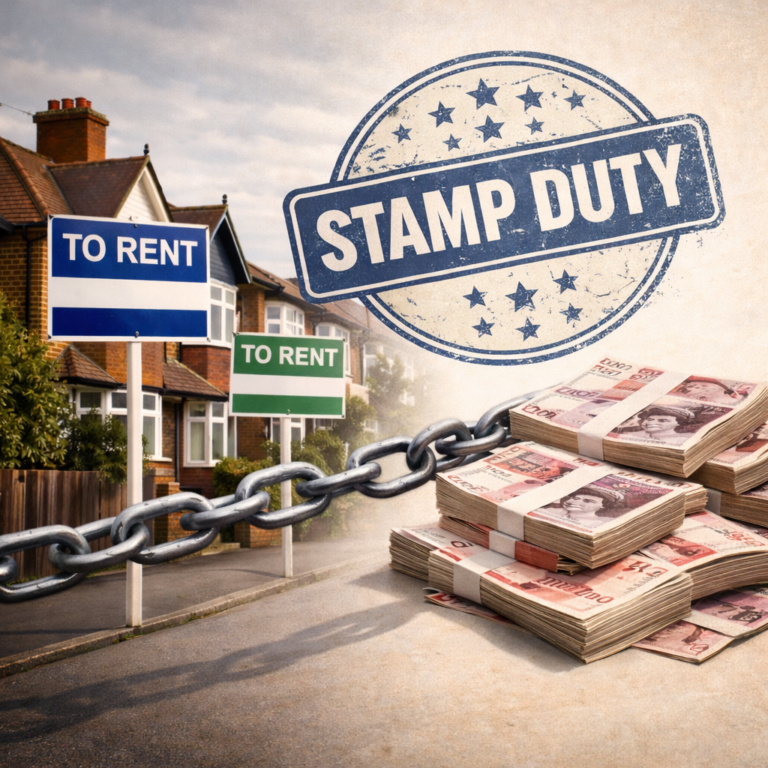
Ten years after the second home stamp duty surcharge was introduced, research from Hamptons suggests the PRS is 2.2 million homes smaller than it might otherwise have been.
The surcharge came into force on 1 April 2016 for additional property purchases in England and Scotland, adding an extra 3% tax to landlord transactions.
It marked a clear shift in how the tax system treated owner-occupiers compared with landlords.
In England, the surcharge rose to 5% in October 2024, while equivalent additional rates now sit at 5% in Wales and 8% in Scotland.
Met government intention
The firm’s head of research, Aneisha Beveridge, said: “Higher rates of stamp duty for anyone buying a second home have broadly delivered what the government of the day set out to achieve.
“Almost overnight, the market tilted away from investors, meaning far fewer homes have been added to the rented sector and more have found their way into owner-occupation over the last decade.
“However, large stamp duty bills have also brought side effects, particularly as the wider tax and regulatory environment for landlords has tightened.”
She added: “Tenants who can’t afford to buy, or don’t want to, have seen rents rise faster than inflation, while those on the margins of the market have found it increasingly difficult to find somewhere to rent in the first place.”
BTL costs have risen
Also, the cost difference between buyers has widened since a £350,000 buy to let purchase in England now attracts around £25,000 in stamp duty for an investor.
That compares with £7,500 for a home mover and £2,500 for a first-time buyer.
Despite landlords accounting for a smaller slice of transactions, surcharge payers still generate a large share of tax receipts.
Hamptons says that by the 2024/25 tax year, they contributed 48% of all residential stamp duty revenue.
PRS size affected
Alongside other regulatory and demographic changes, the tax has coincided with a marked change in the size of the private rented sector.
If the sector had continued expanding at the pace recorded before 2016, there would now be around 7.4 million privately rented households across Great Britain.
Instead, the total sits closer to 5.2 million.
That difference amounts to roughly 2.2 million fewer rented homes than earlier trends would have suggested.
Today, about 18% of households rent privately, compared with the 25.6% share implied by those earlier growth rates.
Fewer landlords investing
In the 12 months before the surcharge took effect, landlords accounted for 16.5% of purchases, above the previous five-year average of 14.5%.
But that has fallen to 11.8% and in 2026, so far, it has reached 10.8%, following the increase in the surcharge from 3% to 5%.
Similar increases in stamp duty surcharges across England, Scotland and Wales have coincided with further reductions in investor purchasing.
Rented home numbers fall
Meanwhile, the pool of homes available to rent has shrunk and in February there were 25.4% fewer homes available to rent than in February 2016.
Rents have increased over the same period by 44.1%, while CPI inflation rose 39.9%.
Annual rent growth has averaged 4% since the surcharge was introduced, compared with 3% a year during the five years before it came into force.
The analysis suggests the surcharge has added roughly 1% to annual rent growth over the decade, equivalent to about £70 per month.
Tags:
buy to let stamp duty impact, buy to let tax policy, landlord property investment trends, Private Rented Sector Supply, rent growth Great Britain, Stamp Duty surcharge landlords
Comments
Have Your Say
Every day, landlords who want to influence policy and share real-world experience add their voice here. Your perspective helps keep the debate balanced.
Not a member yet? Join In Seconds
Login with
or
Previous Article
Scottish government pledges millions of pounds to offset LHA freeze

Member Since September 2015 - Comments: 1013
8:12 AM, 16th March 2026, About 4 weeks ago
What hasn’t been estimated is how many fewer houses have been built do to the reduced demand from the PRS
Member Since December 2023 - Comments: 1575
2:38 PM, 16th March 2026, About 4 weeks ago
Reply to the comment left by Gromit at 16/03/2026 – 08:12
Exactly that.
House builders only build homes that they can sell. Additional property SDLT (and other nonsense) discourages those that can buy from doing so.
I maintain that if I buy a home for a tenant, it will be their only home and additional property SDLT should not apply. It should be reserved for holiday lets and second homes.