

Left-wing Labour member wants mandatory PRS damp and mould inspections
1 month ago | 7 comments



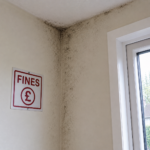
Social housing landlords in Scotland have resolved more than 40,000 damp and mould cases, according to a new report.
Data from the Scottish Housing Regulator reveals that the 40,140 cases took an average of 26 days to resolve.
The news came in the run up to Awaab’s Law taking effect in Scotland in October for social and private landlords.
According to the data, 92% of damp and mould cases resolved during 2025/26 did not recur during the reporting year.
Among cases that were reopened, condensation was the most common cause, accounting for 52%.
Awaab’s Law came into effect in Scotland on 6 October, introducing deadlines for social and private landlords to investigate damp and mould and begin necessary repairs.
Michael Cameron, chief executive of the Scottish Housing Regulator, said: “This report provides an initial picture of how social landlords are responding to reports of damp and mould.
“It can have a significant impact on tenants and their families, so it is important that landlords respond quickly and effectively when cases are reported. The findings show that, in most cases, landlords addressed the issue and there was no recurrence during the reporting year.”
He added: “This is the first year of landlords reporting on the new damp and mould ARC indicators. When we launched the new damp and mould indicators, we said we would review them after the first submission. We will be engaging with landlords, tenants and other stakeholders over the coming months as part of that review.”
The news comes as an advisory board to the Scottish government has warned Awaab’s Law will deter investment and cause private landlords to leave the market.
Be the first to comment
Have you dealt with something similar? Share what you learned, raise a question or offer a perspective your peers may find useful.
Previous Article
Letting agent regulation proposals unveiledNext Article
Local rent gaps exceed 100% across seven regions
1 month ago | 7 comments

4 months ago | 3 comments
3 months ago | 1 comments
Not a member yet? Join In Seconds
Login with