



Rental demand hits six-year low as supply improves and rents cool – Zoopla
12:01 AM, 10th December 2025, 11 months ago
1
Categories:
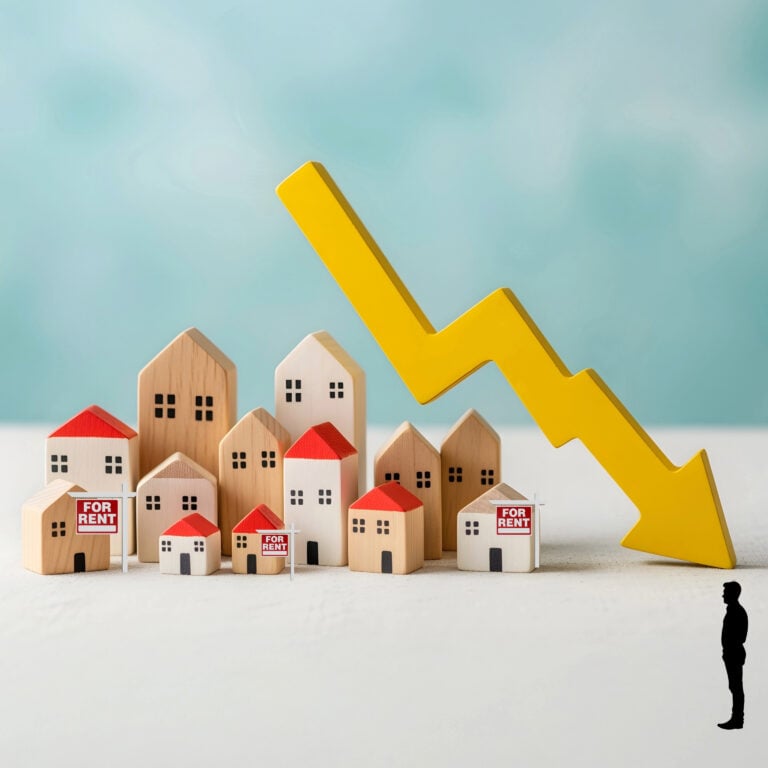
Demand for rented homes has dropped to its lowest level in six years, with the gap between tenants and available properties narrowing sharply over 2025, Zoopla reveals.
The property portal said demand has fallen by 20% over the past year, while the number of homes available to rent has risen by 15%, easing pressure in a market that has been stretched since the pandemic.
As a result, rental growth has slowed to 2.2% over the last 12 months, down from 3.3% a year earlier.
Average monthly rents now stand at £1,320, just £30 higher than last year.
Less competitive PRS
Richard Donnell, executive director at Zoopla, said: “The rental market has made a big stride back towards normality over 2025 after a prolonged period of sky-high demand and a lack of homes for rent.
“This is welcome relief for renters who can expect to see a greater choice of homes, slower rent increases and a less competitive market.
“However, the high costs of buying a home remain a barrier to many renters, which will support demand for renting over 2026.”
He added: “While there are signs that landlords are buying homes again, we do not expect a big increase in supply, meaning rents are set to increase by 2.5% over 2026.”
Renters are buying
Zoopla said the cooling reflects a combination of weaker tenant demand and improving supply.
Net migration has fallen sharply, with provisional ONS figures showing a 78% drop between June 2023 and June 2025.
At the same time, improved mortgage affordability has encouraged more renters to become first-time buyers.
The market is on course for 20% more first-time buyer purchases this year, many of them previously renting to release stock back into the lettings sector.
That led to the average number of rental homes per estate agency branch rising to 14, up from eight in 2022.
However, the figure is still below the pre-pandemic norm of 17.
Letting times lengthen
The average property now remains on the market for 17 days before securing a tenant, the longest period since 2019.
That is 18% higher than a year ago and 42% longer than during the height of pandemic-era demand.
Letting times have lengthened across every nation and region, ranging from 14 days in Scotland to 19 days in the West Midlands.
Zoopla said slower turnover will restrict landlords’ ability to push rents higher, contributing to more modest increases through 2026.
Where rents have risen
Rents are rising fastest in the North East at 4.5% and the North West at 3.2%.
London continues to lag, with growth of just 1.6%, while the West Midlands and Scotland both record increases of 1.7%.
Some local markets have tipped into decline and new let rents are lower than a year ago in Birmingham, down 1.5%.
They’ve also slipped by 1% in Dundee.
Elsewhere, more affordable locations are seeing sharper rises, including Carlisle at 8.1%, Chester at 7.4% and Motherwell at 7%.
Tags:
homes to rent, letting times, regional rent growth, Rental demand, rental supply UK, UK rental market, UK rents 2025, Zoopla Rental Report
1 comment on this article
Learn from your peers’ experience
A different perspective could help you spot an issue, avoid a mistake or find a better way forward. Read the comments and add your own views if you wish.


Member Since March 2018 - Comments: 198
10:00 AM, 10th December 2025, About 10 months ago
No wonder the build to rent developers want the government to force their competitors – the small private landlords – to sell up their properties because of Draconian and unfair taxes and regulations. The B2R developers need high rents to increase profit from their investment.