



Poor records weaken landlords’ mould defence

8:56 AM, 24th September 2026, 3 weeks ago
3
Categories:
Landlords lose most damp and mould disputes because of how they handle complaints, rather than the law itself, according to property barrister Jeffrey Zitron.
He says that landlords who cannot show when a property was last inspected are in a weaker position to contest a tenant’s claim.
And repeated mould washes can leave a repair history showing the same problem returning within days or weeks.
The housing team at The Barrister Group Chambers reports that damp and mould is the single biggest driver of the disrepair claims it handles.
Damp and mould claims
Mr Zitron said: “Always remember what this is about: Keeping homes fit for human habitation.
“A landlord and tenant who become embroiled in a disrepair case which turns into a claim are heading into a time-consuming and expensive tunnel.”
He added: “Being awarded damages may be fair recompense to a tenant, but most just want their home to be safe, warm and comfortable.
“So, a landlord who responds promptly and effectively, whether to a Letter of Claim under the Housing Conditions Protocol or through an internal complaints process, saves themselves and their tenant grief and money.”
Landlords’ repair duties
Mr Zitron says most cases are brought over an alleged breach of Section 11 of the Landlord and Tenant Act 1985, which requires landlords to keep the structure and exterior in good repair, along with essential services.
A leaking roof, failed damp-proof course or crumbling render usually falls within that duty.
However, the obligation to keep a property fit for human habitation throughout the tenancy can also cover condensation-related damp and mould where there is no single fault to identify.
According to Mr Zitron, this fitness standard now decides most difficult cases, rather than Section 11.
Evidence for landlord defences
A tenant’s breach of their obligations can provide a defence where it is wholly or mainly responsible for the disrepair, Mr Zitron explains.
That defence needs supporting evidence, such as an inspection showing adequate ventilation, heating and insulation, with no water penetration.
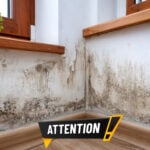
Without those findings, a tenant’s photographs of mould, blistered plaster and damaged possessions are likely to be compelling in court, he says.
That means landlords should record inspections properly and commission further investigations if the root cause remains unclear, rather than relying on a mould wash that treats only the visible symptoms.
Tags:
condensation, damp and mould, fitness for human habitation, housing disrepair claims, landlord inspection records, landlord repair obligations
3 comments on this article
Learn from your peers’ experience
A different perspective could help you spot an issue, avoid a mistake or find a better way forward. Read the comments and add your own views if you wish.
Related Articles

Ventilation plays key role in good indoor air quality claims government
4 weeks ago | 6 comments
Left-wing Labour member wants mandatory PRS damp and mould inspections
4 weeks ago | 7 comments
Member Since May 2026 - Comments: 2
10:50 AM, 24th September 2026, About 3 weeks ago
How about these people use a de humidifier? Because I live in my own property and can’t blame someone else.
Its in my own interest to use the de humidifiers as the damp air causes more to be spent on heating.
Do people not understand why we sweat, its to reduce our body temperature, keeping a house dry makes it warmer.
My neighbours were spending a fortune heating their house, I loand them a de humidifier for a month, they went straight out and bought one, I asked how it went, she said I had to empty the 3lt tank every day for the first two weeks then it slowed down she said ger electricity bill hardly changed but her heating bill was 37% lower than the same month last year.
Not using avde humidifier costs you money not saves it.
The neighbours said its the best money they ever spent as they have already save more than the dehumidifier cost, and its summer, winter will be more pleasant this year.
So damp is a lifestyle choice, nothing to to with the landlord.
And I’m not a landlord.
Member Since April 2018 - Comments: 644
10:57 AM, 24th September 2026, About 3 weeks ago
Damned if you do , damned if you don’t .A professional inventory showing no sign of mould at the start of the tenancy and mould evident later indicates the tenant has caused the mould and a good lawyer should be able to argue this. House notes should be given at the start of tenancy showing how to ventilate the property and even clear any signs of mould.
Member Since June 2019 - Comments: 976
12:50 PM, 24th September 2026, About 3 weeks ago
Possibly overkill but in my regular inspections I have confirmation that no mould or damp is present and the tenants then sign the inspection as an accurate assessment (it also includes repairs both actioned and outstanding).