
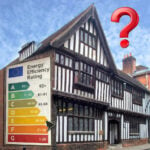
EPCs for listed buildings?
7 months ago | 3 comments



I would be grateful for some practical views from landlords, planning consultants and anyone experienced with listed buildings and retrospective planning/heritage matters.
I own a Grade II listed property, which was converted by a previous owner into several self-contained residential/student units many years ago. The internal works included modern plasterboard/gypsum-based materials and subdivision works which, according to the local authority’s heritage team, should ideally have used more breathable and traditional materials.
Importantly, the council has confirmed in writing that:
* The works were carried out by a previous owner and not by the current owner
* Formal enforcement action is not currently intended
* They do not presently consider the level of harm sufficient to justify enforcement action;
* And there are nearby precedents involving similar subdivision arrangements.
However, the Heritage Officer has also stated that they would not support a retrospective listed building/planning application “as existing” because of the modern materials used internally.
A specialist heritage consultant initially felt there may be scope for a proportionate future mitigation strategy involving gradual introduction of breathable materials during future refurbishment cycles, rather than immediate wholesale strip-out.
However, after further discussion, he raised concern that if retrospective consent were formally pursued, the council may insist on enforceable remediation conditions and discharge requirements, which could potentially create substantial financial obligations.
The council has separately suggested issuing a formal comfort letter confirming that no enforcement action is currently intended.
My dilemma is therefore this:
1. Is it commercially wiser in circumstances like these to:
* Pursue full retrospective planning/listed building consent and risk conditions/remediation obligations; or
* Accept the comfort letter, resolve any remaining housing/compliance issues separately, and proceed on that basis?
2. In practical terms, how do lenders and buyers generally view:
* Comfort letters confirming no intended enforcement action;
* Historic unauthorised listed building works by previous owners;
* And unresolved heritage “preferences” where no active enforcement exists?
3. Has anyone encountered councils accepting phased or future heritage enhancement strategies without imposing rigid remediation deadlines?
4. In reality, how mortgageable/saleable are these types of properties once:
* There is no active enforcement
* There is written comfort from the council
* And the remaining issues relate primarily to historic heritage/material concerns rather than structural or safety concerns?
I appreciate that every case turns on its facts, but I would be very interested to hear real-world experiences from those who have dealt with similar listed-building situations.
Thank you,
Jaz
Be the first to comment
Have you dealt with something similar? Share what you learned, raise a question or offer a perspective your peers may find useful.
Previous Article
Awaab’s law risks pushing landlords out of the PRS in Scotland


Not a member yet? Join In Seconds
Login with