

Labour confirms its EPC plan for landlords – Propertymark calls for ‘incentives’
2 years ago | 28 comments


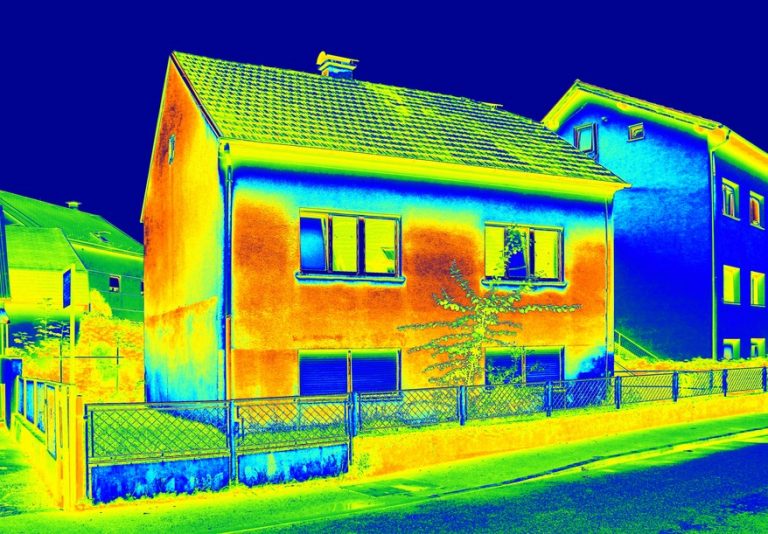
Landlords face an uphill battle to meet the Labour government’s 2030 target of all privately rented homes achieving an EPC rating of A-C, research reveals.
The data from Hamptons shows that if energy efficiency improvements continue at the current rate, it will take until 2042 for all rented homes to reach the desired standard – that’s 12 years beyond the proposed deadline.
This represents progress compared to the 89 years it would have taken at 2016 rates, partly due to landlords preparing for previous, now-scrapped, Conservative EPC plans.
To hit the 2030 goal, around 340,000 rented homes would need to improve their EPC rating to C or higher each year until then.
That’s triple the number of homes set to achieve this level in 2024.
Aneisha Beveridge, the head of research at Hamptons, said: “Successive changes to proposed energy efficiency rules have shifted the goalposts for landlords, some of whom face costs which can run into tens of thousands of pounds.
“Despite this, many investors have continued to improve the energy efficiency of their rental homes and we’re currently on track to see 100% of rental homes where an EPC A-C is viable, reach that rating within a generation.”
She adds: “To meet the government’s 2030 target, the same number of homes will need to see energy upgrades over the next five years as we’ve seen make improvements in the last 30 years.
“While a requirement for all rental homes to achieve an EPC A-C rating by 2030 is achievable at a stretch, landlords need adequate time and resources to meet it.
“It is essential landlords receive complete clarity on this target this year.”
While 55% of privately rented properties now have an EPC rating of C or better, surpassing the 48% rate for owner-occupied homes, there are still challenges.
Half of homes previously rated D achieved at least a C rating upon reassessment this year, but just 9% of C-rated homes moved up to B or above.
Data suggests 3-4% of rented homes may be unable to reach an A-C rating, a figure that was previously higher due to changes in EPC methodology.
Hamptons says these properties are often older, cheaper, and located in the North of England, with higher rental yields.
The average tenant saving when upgrading a home from EPC D to C is £499 per year, a 76% increase since 2019.
For EPC E homes, the saving is £1,248.
Every day, landlords who want to influence policy and share real-world experience add their voice here. Your perspective helps keep the debate balanced.
Not a member yet? Join In Seconds
Login with
Previous Article
Fair share of freehold insurance bill?Next Article
How do I handle illegal subletting on Booking.com?
2 years ago | 28 comments

2 years ago | 91 comments

2 years ago | 61 comments
Sorry. You must be logged in to view this form.
Member Since March 2023 - Comments: 1506
8:24 AM, 2nd October 2024, About 2 years ago
Reply to the comment left by Mick Roberts at 02/10/2024 – 05:45
I think the issue is with cyclops (my eyes are too close together Ed Milliband), he is governed by doctrine not common sense. He will single handedly bankrupt this country with his approach to net zero which in the grand scale of things (we only produce 1% or the pollution) wont make any difference. Even Germany are scaling back their green ambitions.
Member Since September 2018 - Comments: 3508 - Articles: 5
10:49 AM, 2nd October 2024, About 2 years ago
Interesting to note that the latest ‘initiative’ for landlords to upgrade their properties to try and achieve the magic ‘C’ claims at the very beginning…
To support delivery of the Warm Homes Plan, the primary and a secondary objectives of
the Warm Homes: Local Grant are:
1. To deliver progress towards the statutory fuel poverty target for England, by
improving as many fuel-poor homes as reasonably practicable to energy efficiency
rating of Band C by 2030, delivering significant annual energy bill savings for the
occupants, not just in the short term, but for good.
2. To deliver progress towards Net Zero 2050, and the Carbon Budgets, by installing
energy performance upgrades and low carbon heating in homes that drive carbon
abatement.
———————
So cost saving for the tenant is the priority then yet it also goes on to state..
“We expect LAs and retrofit coordinators (RCs) to consider value for money when
designing intervention packages for households – to achieve the largest amount of bill
savings for the household. it seems over net zero now. ”
In all cases where low carbon heat is being considered for installation, LAs must ensure
that households are given clear and accurate advice about the likely bill impacts the
package of measures will have on their household energy bills.
Given many homes upgraded under the Warm
Homes: Local Grant may be living in fuel poverty, it is possible that some households will
have underheated their home due to the unaffordability of energy. In these cases, Retrofit
Coordinators are expected to engage more closely with the householder and provide more
tailored advice where they believe this may be the case, so that advice reflects their typical
energy use.
DESNZ mandates that the final decision to install a heat pump, storage heater, or an
alternative heating system, rests solely with the household.
So there you have it. Tenants says NO it’s a NO.