

The safety certificate oversight that put a landlord at risk
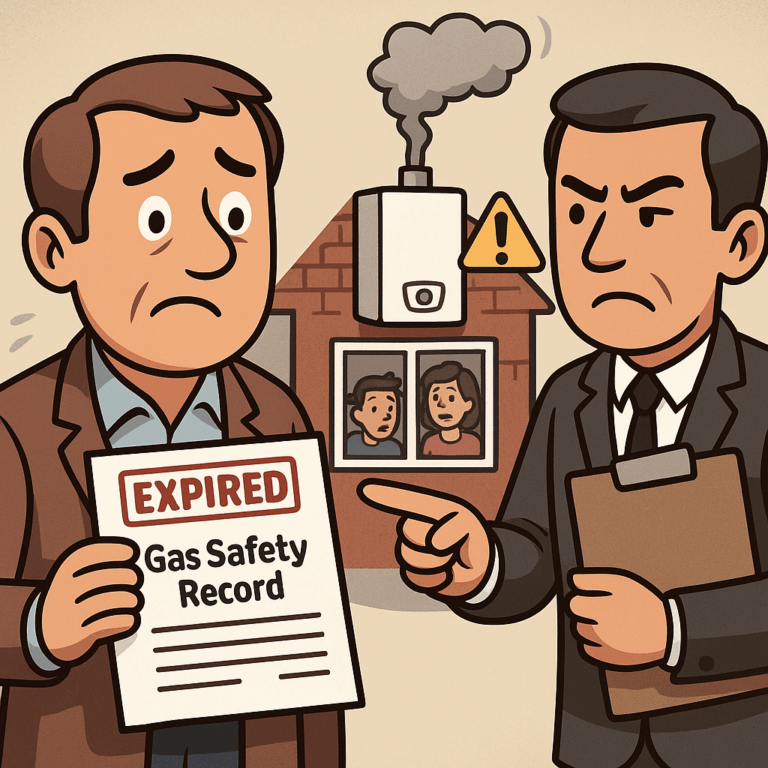

The landlord had arranged gas safety checks for years without issue. But one year, the reminder email from the engineer was missed, and the annual certificate expired unnoticed. When the council inspected after a tenant complaint, they found the property operating without a valid Gas Safety Record. The landlord faced enforcement action, including a fine, and the tenants were left with concerns about safety standards in the property.
Gas safety checks are a statutory requirement under the Gas Safety (Installation and Use) Regulations 1998. Certificates must be renewed every 12 months and provided to tenants within 28 days. Similar renewal obligations apply for electrical checks and Energy Performance Certificates (EPCs). Missing a renewal not only breaches compliance but also exposes landlords to criminal liability in the most serious cases. In this instance, a missed reminder created both legal and reputational consequences.
The lesson is clear: safety certification should never rely on memory or informal reminders. Landlords should maintain a compliance calendar, use property management software, or contract accredited agents to ensure no safety certificate lapses unnoticed.
What do you think?
How do you keep track of your property’s safety renewals? Do you rely on contractors’ reminders, or do you run your own compliance diary?
Source: HSE: Gas Safety – Landlords’ Responsibilities
Previous articles in this series
Landlord Lessons: The AST date mistake
Landlord Lessons: The missing inventory
Landlord Lessons: The verbal agreement trap
Landlord Lessons: The gas safety lapse
Landlord Lessons: The unprotected deposit
Landlord Lessons: The unlicensed HMO
Landlord Lessons: The electrical safety lapse
Landlord Lessons: The Right to Rent slip
Landlord Lessons: The ignored repair
Landlord Lessons: The insurance blindspot
Landlord Lessons: The rent-to-rent risk
Landlord Lessons: The Section 21 error
Landlord Lessons: The Section 8 misstep
Landlord Lessons: The selective licensing oversight
Landlord Lessons: The EPC blindspot
Landlord Lessons: The rent increase mistake
Landlord Lessons: The service charge shock
Landlord Lessons: The tax record slip
Landlord Lessons: The guarantor gap
Landlord Lessons: The referencing shortcut
Landlord Lessons: The pet clause oversight
Landlord Lessons: The fire safety lapse
Landlord Lessons: The legionella neglect
Landlord Lessons: The asbestos surprise
Landlord Lessons: The DIY eviction disaster
Landlord Lessons: The rent collection chaos
Landlord Lessons: The repair retention row
Landlord Lessons: The unserved notice oversight
Landlord Lessons: The mortgage consent mistake
2 comments on this article
Learn from your peers’ experience
A different perspective could help you spot an issue, avoid a mistake or find a better way forward. Read the comments and add your own views if you wish.
Previous Article
Portugal cuts rental tax to 10%: A warning shot for the UK?Next Article
Hamptons forecasts modest 2026 house price growth
Member Since May 2015 - Comments: 2326 - Articles: 2
10:52 AM, 9th December 2025, About 10 months ago
Thankfully, I do not have any gas in my properties. I keep track of all the electrical certificates and EPC’s but find it very difficult to persuade contractors to produce certificates in a timely fashion even when they are given plenty of warning, 90 days in most cases.
The government give me warning when my MOT is due, why can it not implement a similar scheme with property certificates? (Rhetorical question, we all know why.)
Member Since September 2022 - Comments: 68
6:56 AM, 10th December 2025, About 10 months ago
Any safety measures is for the residents who live in. Smoke alarm, carbon monoxide alarm, gas safety test, electrical safety test. These are checked by the tenant before they move in. Since it is for their safety, why not give that responsibility to them. They should maintain the smoke alarm and not simply remove the batteries when it makes an annoying noise etc. Surely, tenants can at least handle that.