

Landlords warned about insulation letters as government scraps ECO scheme
11 months ago | 2 comments


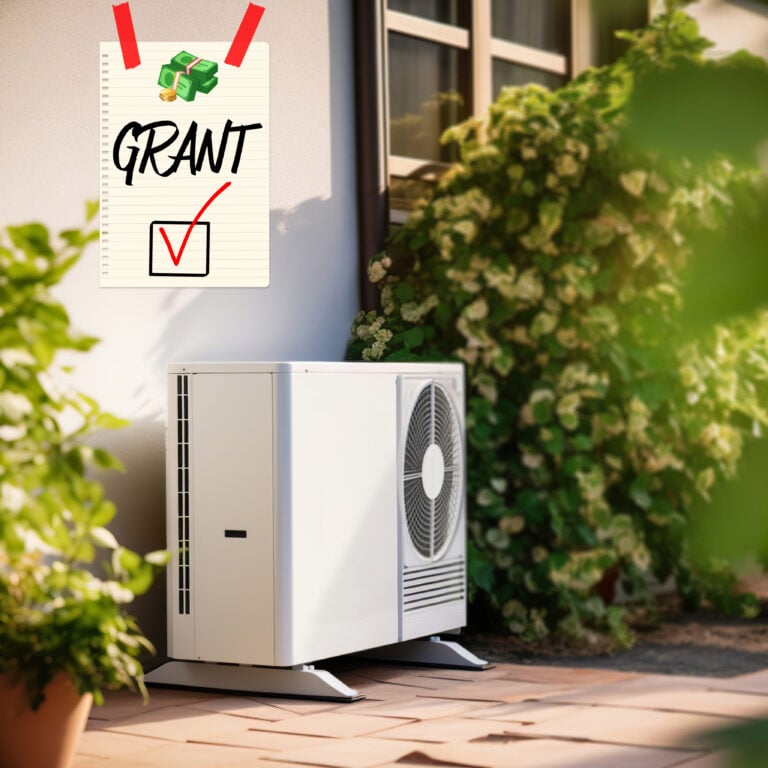
The government has announced the Boiler Upgrade Scheme (BUS) has been expanded to include air-to-air heat pumps and heat batteries.
The BUS offers financial grants to landlords and homeowners to replace gas boilers with low-carbon alternatives such as heat pumps and biomass boilers.
The news comes after Chancellor Rachel Reeves announced in the Autumn Budget that the government would scrap the ECO scheme to save money on energy bills and replace it with the Warm Homes Plan.
The National Residential Landlords Association (NRLA) writes on its website that under the new measures landlords will be eligible for a £2,500 grant towards the installation of an air-to-air heat pump.
The NRLA said: “This grant will cover a significant portion of the cost, with the average price being around £3,000, with the scheme continuing to offer £7,500 for the installation of a traditional air and ground-source heat pumps.
“In time it intends to support other technologies, including heat batteries at the same £2,500 level once installation and product standards are finalised, and is also taking steps to make the certification process for the installations simpler.”
Minister for Energy Consumers Martin McCluskey says the new grants for heat pumps will encourage more households to switch to heat pumps
He said: “Air-to-air heat pumps offer the best of both worlds, keeping you warm in winter while cooling you down when summer comes along.
“With heat pumps more popular than ever, we want to make sure as many people as possible can benefit, especially those in flats or small homes without central heating, so they have greater choice when upgrading their property.
“We are also offering discounts for heat batteries and consulting on the role innovative, clean heating solutions can play, including thermal storage, infrared panels and renewable fuels.”
However, as previously reported on Property118, installing heat pumps is difficult due to planning restrictions.
Rodney Townson from landlord organisation iHowz previously told Property118: “Many rental properties are HMOs or leasehold flats. There may be planning or lease restrictions which prevent or add additional administrative and direct costs, which prevent or make it unaffordable to fit heat pumps for these properties, as well as older stock in the private rented sector makes it harder.”
Landlords are also still concerned over costs as the government has proposed, but not yet made law, that all private rented properties will need to meet EPC C targets by 2030, and 2028 for new tenancies.
The NRLA has previously warned landlords would need to spend an average of £6,100 to £6,800 per property to meet EPC C targets.
Many of these costs will be passed onto tenants, with a government minister last year admitting landlords can raise rents to pay for EPC upgrades.
3 comments on this article
A different perspective could help you spot an issue, avoid a mistake or find a better way forward. Read the comments and add your own views if you wish.
11 months ago | 2 comments
12 months ago | 7 comments

12 months ago | 3 comments
Member Since February 2022 - Comments: 212
8:34 AM, 12th December 2025, About 10 months ago
I’ve said this before. Replacing gas with ASHP is bonkers. Gas network will introduce hydrogen mixes. Gas is cheaper. ASHP is great for new builds and removing heating oil / bottled gas. Even then the fabric of the property needs to be considered as most older properties are not suitable. Even further measures like extra insulation / larger radiators will dwarf the cost of the unit.
“Keeping you cool in summer” this only works if the whole property has UFH it cannot work with radiators.
Member Since August 2016 - Comments: 1198
1:13 PM, 12th December 2025, About 10 months ago
They’re so good the Government has got to give you £2,500 to buy one 😂
Member Since December 2025 - Comments: 1
11:29 AM, 13th December 2025, About 10 months ago
Reply to the comment left by Jason at 12/12/2025 – 08:34
Air-to-air don’t work with UFH 🙂
They cool the air.