
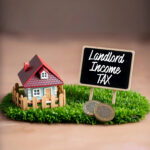
Rachel Reeves’s landlord tax will shrink rental supply and fuel rising rents
10 months ago | 5 comments



The government claim the Office for Budget Responsibility (OBR) does not believe the decision in the Autumn Budget to raise property tax income will affect rents.
In answer to a written question from Lord Truscott about the impact of tax rises on landlords in the Autumn Budget on the supply of property in the private rented sector and rent levels, Lord Livermore claimed the OBR does not expect reform to property tax income to “significantly affect rents.”
This is despite the OBR’s Economic and Fiscal Outlook report warning that the “successive erosion of private landlord returns will likely reduce the supply of rental property.”
In the Autumn Budget, Chancellor Rachel Reeves announced tax rates on property income would increase by 2 percentage points.
Financial Secretary to the Treasury Lord Livermore claimed the OBR “does not expect that the reform to property income tax will have a significant impact on rental prices.”
However, the OBR’s Economic and Fiscal Outlook report, says the plans in the Budget would reduce returns for landlords.
The document says: “The measures announced in this Budget reduce returns to private landlords, following various measures over the past 10 years that have also reduced returns.
“This successive eroding of private landlord returns will likely reduce the supply of rental property over the longer run. This risks a steady long-term rise in rents if demand outstrips supply.”
The Treasury failed to carry out an impact assessment on how the new charge would influence rents or housing availability.
Many industry experts have warned the 2% rise could be the final nail in the coffin for landlords.
Jonathan Stinton, head of mortgage relations at Coventry Building Society, warns: “Hiking property income tax won’t just hit landlords, it will hit renters in the pocket too. When the cost of being a landlord rises, those pressures almost always find their way into monthly rents, meaning those who don’t own a home pay the price. A similar rise to tax on dividends means the cost will also go up for landlords who hold their property in a limited company.
“The more landlords are taxed the less appealing it is to let a property, which could lead to fewer landlords and reduced choice for landlords. The simple but powerful forces of supply and demand would then push rents higher, making it much more difficult to rent a home.”
23 comments on this article
A different perspective could help you spot an issue, avoid a mistake or find a better way forward. Read the comments and add your own views if you wish.
Previous Article
Defective lease - missing parking space?
10 months ago | 5 comments

10 months ago | 3 comments

Member Since May 2024 - Comments: 223
6:54 PM, 20th December 2025, About 10 months ago
They really do not have a clue what they are doing. My rent’s have been way for way too long.
Guess what they are going to be increasing next year and tenants will be told why.
I’m sure that generation Rant will be celebrating.
Member Since March 2023 - Comments: 1514
8:54 PM, 20th December 2025, About 10 months ago
You can also let the property to a company, I did this letting 12 properties to EDS (computer company working for Rolls Royce) so their employees could occupy thre property. Some properties were empty and some were occupied. In this case the landlord (me) paid the council tax.
Member Since February 2025 - Comments: 3
10:30 PM, 21st December 2025, About 10 months ago
Reply to the comment left by Paul Essex at 18/12/2025 – 10:57
One of my properties came up for 6 monthly renewal recently, I had no choice and informed the tennant why I increased the rent, to cover the proposed tax increase to also pay insurance, to cover lost rent in case of failure to pay, also damage to the property, they are now aware it’s because of the government’s meddling.