

Rural landlords face £8,900 EPC premium
2 weeks ago | 1 comments


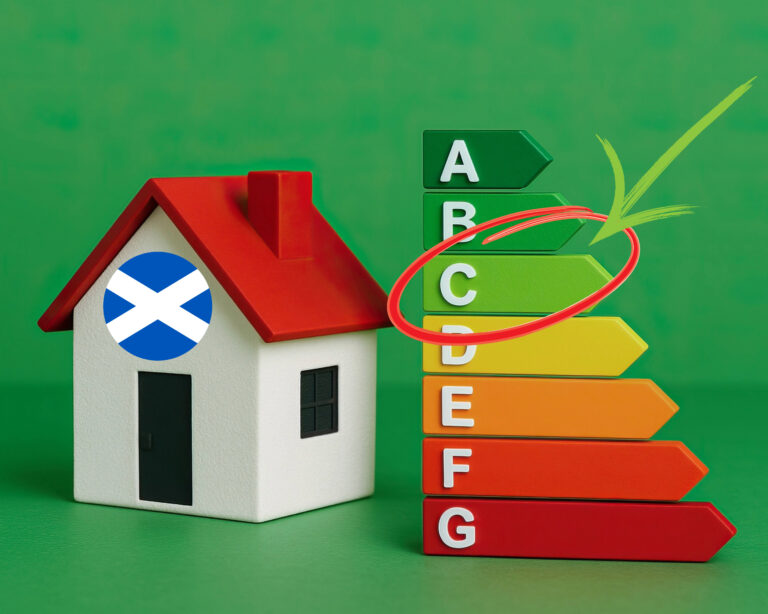
The introduction of EPC C targets in Scotland could reduce the supply of private rented properties and drive up rents as landlords pass on the cost of energy efficiency improvements.
These concerns were raised by organisations responding to the Scottish government’s consultation on minimum energy efficiency standards for the private rented sector (PRS), with particular concerns over whether older properties could meet the proposed requirements.
Under the proposals, PRS homes would need to achieve a reformed EPC Heat Retention Rating (HRR) of band C for new tenancies from 2028 and all tenancies by 2033.
The Scottish government’s consultation found that some properties may be unsuitable for EPC C targets, particularly older stone-built homes where the required energy efficiency upgrades could be impractical or inappropriate.
Respondents also warned that upgrades could have unintended consequences, including inadequate ventilation leading to damp and mould.
The cost of improvements was another major concern, particularly for landlords in low-rent areas, many of which are rural. Some warned that the expense could force landlords out of the market
The consultation said: “A number of respondents felt that introduction of the PRS MEES could lead to a loss of properties in the sector and / or increases in rent to cover the cost of energy efficiency improvements. This would lead to a reduction in choice of rental properties for tenants and exacerbate the current housing crisis in Scotland.
“It was also felt this would impact most on tenants on lower incomes who might, in effect, have to pay more rent, which would undermine any savings they would make on energy efficiency upgrades and undermine the aims of the fuel poverty policy.
“There were some suggestions that it would be easier for landlords to change property use, such as move into the short-term holiday let sector, rather than carry out upgrades to their properties.”
The Scottish government has proposed exemptions for landlords unable to meet EPC C targets, including a £10,000 cost cap and a 12-month lead-in period for improvement works to count towards the cap.
The proposals also include a six-month temporary exemption for landlords who inherit or purchase a property with a sitting tenant, which was criticised by respondents as too short.
The Scottish Association of Landlords (SAL) said the new energy-efficiency standards must be fair to landlords.
SAL chief executive, John Blackwood, told Property118: “Scotland’s landlords welcome the publication of this analysis, despite the significant delay in doing so, and look forward to the possibility of some clarity from the Scottish Government in what it means.
“Currently, landlords are disincentivised from carrying out energy improvement work because the costs do not contribute towards any future cap.
“We call for ministers to create a MEES that is fair, achievable, and affordable and that has at least a two-year lead-in time between the introduction of the Heat Retention Rating on reformed EPCs from April 2028 and the introduction of a minimum standard.”
“This would allow landlords to prepare properly, have their properties assessed, and plan for any improvement work in a way that would minimise disruptions to tenants.”
Be the first to comment
Have you dealt with something similar? Share what you learned, raise a question or offer a perspective your peers may find useful.
Previous Article
London landlords return to PRS as rental growth gathers paceNext Article
Home buyer demand falls before Autumn Budget
2 weeks ago | 1 comments

4 weeks ago | 13 comments

Not a member yet? Join In Seconds
Login with