

Damp and mould issues in rented properties
2 years ago | 52 comments


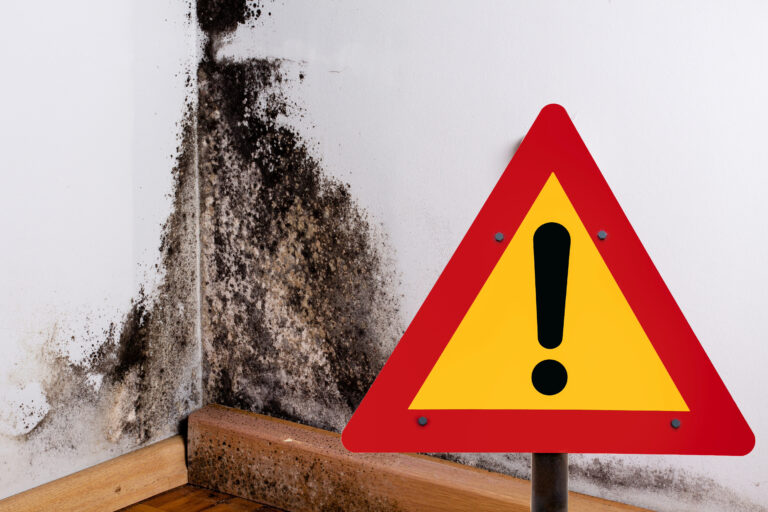
Breckland Council in Norfolk has introduced a new initiative aimed at assisting renters and their landlords in addressing damp, mould and condensation issues within homes across the district.
Its Healthy Homes Service, a pilot scheme funded by central government, will enhance living conditions for the district’s tenants and provide additional guidance and resources to support local landlords.
Council officers will now be investigating reports of damp and mould within the private rented sector across the district.
They have undergone specialised training and will be working directly with local landlords to provide advice on their responsibilities and how damp conditions can be prevented in properties.
The council’s executive member for housing and planning, Councillor Sarah Suggitt, said: “The Breckland Healthy Homes Service is a new approach in our ongoing commitment to ensuring people in Breckland live in safe and healthy homes.
“Damp, mould and condensation are serious issues that can affect anyone, but we know they pose particular risks to the young, the elderly, and those with existing health conditions.”
She added: “By working collectively with landlords, tenants, and our partners, we will together further improve the quality of health and housing across our district.”
As part of the new scheme, PRS tenants can borrow ‘data loggers’ to record humidity levels and other information.
This data can subsequently be used to discuss potential lifestyle changes.
Tenants are encouraged to participate in upcoming clinics to gain a better understanding of their rights and responsibilities and to receive support in addressing housing concerns.
The council team will also direct landlords towards potential funding opportunities or further guidance to assist in making improvements.
There will also be holding a special landlord forum event in the coming weeks to share key information and advice.
3 comments on this article
A different perspective could help you spot an issue, avoid a mistake or find a better way forward. Read the comments and add your own views if you wish.
2 years ago | 52 comments

2 years ago | 3 comments

2 years ago | 3 comments
Member Since March 2024 - Comments: 344
11:41 AM, 27th September 2024, About 2 years ago
I began doing this about five years ago, at my own initiative and found it very effective in sorting out a particular room in a student HMO where a condensation issue arose with a new tenant.
At the time I bought a humidity and temperature logger for about £15 online.
The magic number is keeping the Relative Humidity under 60% and this can be done (and changes made and seen instantly) by adjusting temperature and ventilation accordingly (and of course avoiding creation of excess moisture). It helped that the occupier of the bedroom was responsive and willing to be involved.
Im almost out of the PRS now, but would be using these monitors as a first step in any presentation of condensation and mould. This seems a very sensible and pragmatic approach from this council – and is a clear acknowledgment that they recognise that it is within a tenants control in an otherwise decent well maintained property and that mould doesn’t exist by itself – when it appears on impervious surfaces it is always a result of condensation which is a product of relative humidity being too high.
Member Since March 2018 - Comments: 76
12:25 PM, 27th September 2024, About 2 years ago
I have some properties under Breckland and whilst I’ve never had an issue I really like that idea.
Puts the onus back on the tenant, thank you.
Member Since January 2015 - Comments: 1611 - Articles: 1
12:31 PM, 27th September 2024, About 2 years ago
Environmental Health nearly 10 years ago recognised that the majority of mould issues are due to tenant lifestyle AND that no-one, landlord/Council/Environmental Health can dictate to a tenant on how they live their lives ie ventilating the property; adequately heating the property; wiping condensation from windows in the morning in late autumn and winter; wiping away mould at the first sign of it and therefore stopping it spreading; not drying clothes over radiators/doors/chairs/indoor airers and washing lines; not blocking air vents in walls and windows; not switching off extractor fans in bathrooms and kitchens etc etc
It’s a losing battle until tenants are educated (by their parents????)