

Government pushes action on overheating fears in social housing
5 months ago | 3 comments


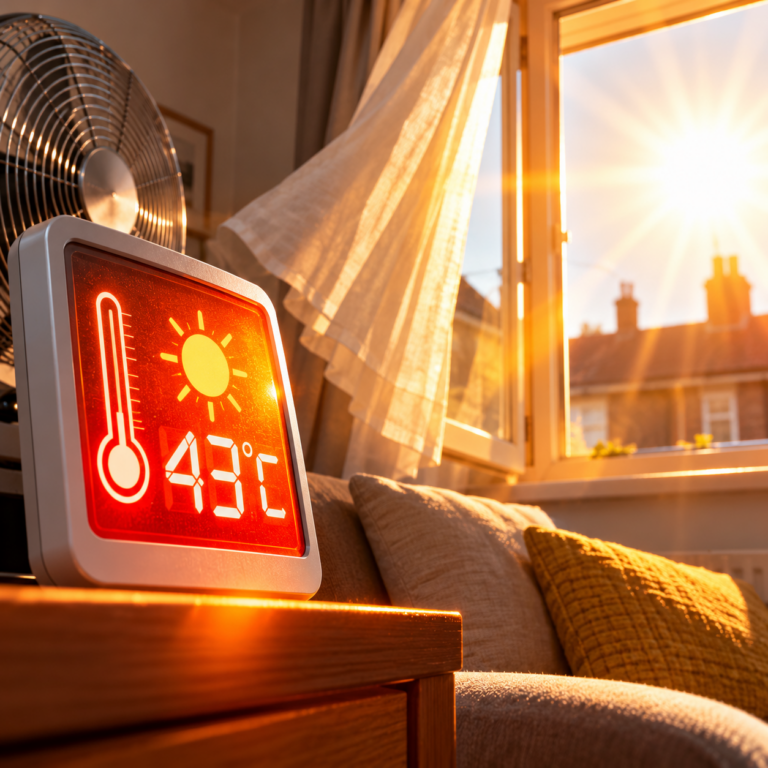
A firm has warned that more than 600 housing assessments across England have identified potentially dangerous levels of excess heat since 2023.
Cut Plastic Sheeting submitted Freedom of Information requests to 40 of England’s largest councils to reveal the scale of Excess Heat hazards being identified in homes.
The news comes as a group of tenants has threatened legal action against their housing association over excessive heat in their homes.
According to the data, Bradford Council recorded 114 excess heat hazards, one of the highest totals in the study, including five identified by the end of July 2026. It also issued 36 Improvement Notices, five prohibition orders, and four civil penalties totalling £53,250.
Category 1 hazards were found in Barnet (19), Bristol (10) and North Yorkshire (seven). Sheffield recorded four Category 1 hazards among six Excess Heat cases identified during 2025/26 and the first four months of 2026/27.
The data also reveals the risks in private rented housing. All ten excess heat hazards identified by Leeds, all 11 reported by East Riding of Yorkshire, and all 133 recorded by Durham across its Environmental Health and Selective Licensing data were in privately rented homes.
Daniel Southern, the firm’s managing director, is urging landlords to prepare their properties for next summer.
He said: “This summer was a reminder that some homes are not well equipped to cope when temperatures rise, and these figures show that overheating can become a genuine health and safety issue during extreme heat.
“The cooler months can be a really good opportunity for households and landlords to look back at which rooms struggled most, when they became hottest and what was causing the heat to build up. Rooms with large windows or lots of direct sunlight are a good place to start, alongside looking at how easily the property can be ventilated when temperatures do rise.
“Rather than forgetting about the problem once winter arrives, people should use the next few months to plan ahead. That could mean improving shading, reviewing ventilation or thinking about how portable air conditioning could be used next summer.”
As previously reported by Property118, in what is believed to be the first case of its kind, residents living in flats managed by PA Housing in Woolwich, London, claim their homes are not fit for purpose, with indoor temperatures reaching 43°C during the summer.
A report by the BBC, reveals residents are planning to take action against their housing association, marking the first claim filed for excessive heat under the Homes (Fitness for Human Habitation) Act 2018.
A resident living in Canada Court and Clifton Lodge in Woolwich told the BBC the building was not fit for purpose.
Chris Sayudo, chair of the tenant association at Clifton Lodge and Canada Court, said the buildings’ corridors reached 48 degrees in the summer.
Michael McDonagh, chief executive of PA Housing, said the issue was mainly concentrated to communal intake cupboards rather than residents’ homes.
Be the first to comment
Have you dealt with something similar? Share what you learned, raise a question or offer a perspective your peers may find useful.
Previous Article
How much are you really earning per hour as a landlord?Next Article
Is the PRS database illegal?
5 months ago | 3 comments

2 weeks ago | 2 comments
Not a member yet? Join In Seconds
Login with