

Landlords not to blame for rising homelessness – OFFICIAL!
1 year ago | 12 comments


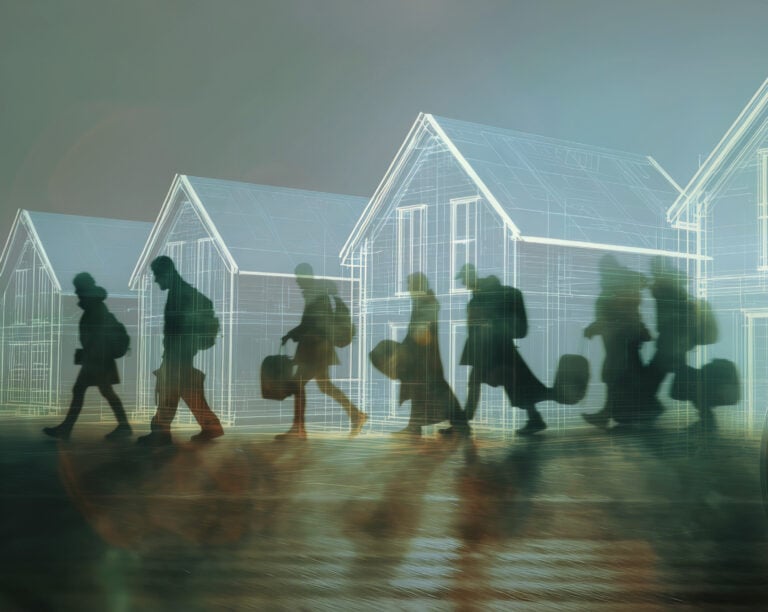
Almost double the number of asylum seekers are living in taxpayer-subsidised rented homes compared to hotels, the Daily Mail has revealed.
By the end of December, 38,000 asylum seekers were housed in hotels, costing £5.5 million every day.
However, 66,000 have been placed in ‘dispersal accommodation,’ primarily shared private rentals.
The Home Office claims this approach is more cost-effective than hotels, but there is growing anger among Brits facing social housing shortages.
That frustration intensified this week with reports of asylum seekers occupying expensive new-build properties, such as four £300,000 townhouses in Suffolk.
They boast ensuite bathrooms, underfloor heating and EV charging points.
Elon Musk, reacting to the Daily Mail’s coverage of those new build homes, tweeted: “This must stop now.”
In the Suffolk village, unnamed by the newspaper, nearly 800 local people are waiting for council or housing association homes.
Promotional material describes these homes as ‘nestled in the tranquil and sought-after village’ and ‘designed for modern living and comfort’.
Nathan Emerson, the chief executive of Propertymark, told the Mail: “The upturn of private companies offering non-traditional options (for renting) can seem appealing as it can provide a fixed, reliable, and hassle-free income stream by eliminating concerns about void periods, late rent payments, and tenant management, but caution is essential.
“Some contracts may be heavily skewed in favour of providers; therefore, it is crucial for landlords to thoroughly understand their legal rights and obligations before signing any agreements and to seek professional advice, as some contracts can be complex and difficult to reverse.”
Among those providers is Serco, which has a decade-long Home Office contract launched in 2019 under Theresa May, which was initially worth £2.1 billion but has surged to £5.5 billion, a National Audit Office report revealed.
Asylum accommodation costs are projected at £15.3 billion from 2019 to 2029.
Legally, the government must support destitute asylum seekers during claim processing.
Dispersal accommodation, costing £14 per person per night versus £145 for hotels, is deemed more economical.
Ministers report a £1 billion cost reduction last year by reducing hotel reliance.
Labour aims to eliminate the use of asylum hotels by 2029.
4 comments on this article
A different perspective could help you spot an issue, avoid a mistake or find a better way forward. Read the comments and add your own views if you wish.
1 year ago | 12 comments

1 year ago | 22 comments

1 year ago | 66 comments
Member Since May 2024 - Comments: 78
10:10 AM, 4th September 2025, About 1 year ago
You could not make this up! Sod the indigenous Brits. More houses for Angela and Serco. Bring on the election.
Member Since February 2020 - Comments: 400
10:49 AM, 4th September 2025, About 1 year ago
The threshold for asylum is too low.
Millions of people live in the countries they come from without issue.
In any case why do they have to come here. There were a lot closer options?
Member Since July 2023 - Comments: 211
12:20 PM, 4th September 2025, About 1 year ago
As a LL with licenced (therefore all correct costs) I don’t see how it can be done for 14 per night pp.
I will go no further.
Member Since July 2013 - Comments: 762
12:31 PM, 4th September 2025, About 1 year ago
“Legally, the government must support destitute asylum seekers during claim processing.”
How do we know they are destitute before they get supported in the UK? Are they means tested? Do they differentiate between asylum seekers and economic migrants?
As I understand it, most asylum seekers (or economic migrants?) get free accommodation etc for the many months whilst their applications are considered, of which around half are rejected, and most of those rejected appeal. About half those appeals are allowed, meaning, roughly, 75% of AS/ECs get to remain in the country. Many of them work (but are not supposed to), often riding electric bikes doing food delivery on provisional licences and are a menace on the roads, as many I have seen don’t use lights or wear high vis clothing (and clearly haven’t passed any road tests).
All the while funded by the taxpayers – the few of us that remain that is, as the percentage of people on benefits is growing.
I don’t begrudge and have empathy for many who are genuinely escaping terror, but I have grave doubts about the legitimacy of many applicants (or the reason for acceptance rather than rejection). I accept that I don’t have all the facts, but that does not alter the fact that these are scary numbers. The country is already on its financial knees; the immigration and benefits systems are sustainable and not fit for purpose. The future looks very very bleak.