

Government launches EPC grants for landlords with rent increase ban
2 years ago | 29 comments


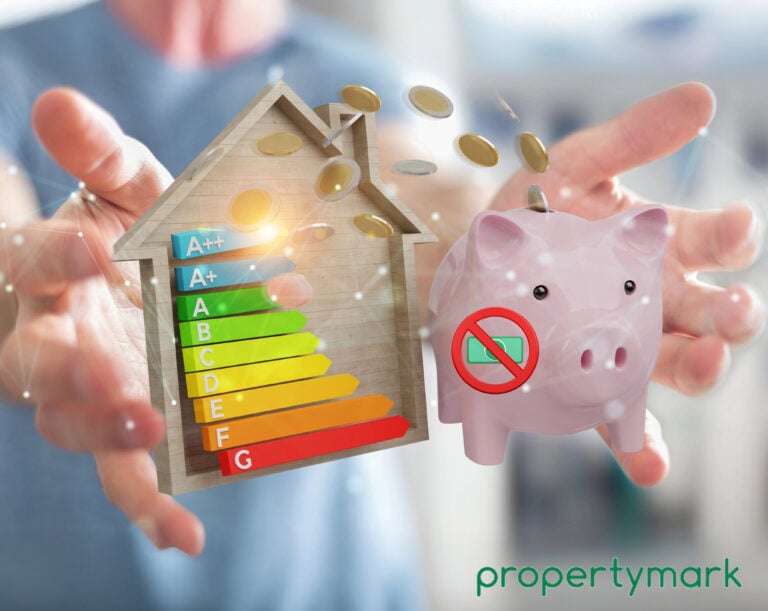
An industry body is calling for energy performance certificates (EPCs) to be abolished to measure fuel poverty.
Currently, fuel poverty is defined by a property’s energy efficiency rather than a household’s ability to afford its energy bills.
Propertymark argues the government should instead focus on affordability to define fuel poverty.
Propertymark says many low-income households do not qualify for support as the properties are classed as energy efficient.
According to the government, 24% of private rented sector households were considered to be in fuel poverty.
Energy Secretary Ed Miliband has pushed for landlords to meet EPC C targets by 2030 for all private rented properties.
However, while Propertymark is urging support for energy-efficiency improvements, it argues that a one-size-fits-all approach to carrying out EPC works does not work.
The industry body said: “Many homes, particularly flats and those in the private rented sector, face barriers to energy improvements. These include needing landlord or freeholder permission, or the requirement for works to be carried out across an entire building rather than just one flat.
“Policies must be flexible and tailored to the unique challenges of different property types and tenures.”
In a letter to the Department of Energy Security and Net Zero, Propertymark urges the government to reconsider its policies on fuel poverty.
Propertymark said: “We recommend the government change the definition of fuel poverty to focus on income and costs, and financial support schemes should be made more flexible so that households can choose the measures most suitable to them, rather than being limited to pre-approved options.”
Propertymark also argues heat pumps are not the best answer for tackling fuel poverty as they are expensive to run.
Propertymark said: “We remain concerned that the UK government’s sustainability goals and fuel poverty targets are not always aligned.
“While low-carbon heating systems such as heat pumps are important for reducing emissions, they are often more expensive to run.
“Unless the cost of electricity comes down, there is a real risk that these technologies will leave some households worse off. Without careful consideration, households could be moved out of fuel poverty statistically, by improving their EPC rating, while still facing higher bills.”
1 comment on this article
A different perspective could help you spot an issue, avoid a mistake or find a better way forward. Read the comments and add your own views if you wish.
2 years ago | 29 comments

2 years ago | 15 comments

2 years ago | 17 comments
Member Since May 2018 - Comments: 2597
10:03 AM, 4th April 2025, About 2 years ago
I live in an EPC band D property. My property is cheap to heat because I have a modern condensing gas boiler.
My tenants have the same…modern condensing gas boiler…cheap to run, easy to service and maintain, reliable, including in very cold weather. They are not in fuel poverty either. Forcing me to upgrade my rental property from band D to C or above is more likely to force them into ‘poverty’.
Using EPC bands to define ‘poverty’ is complete nonsense.