

Scotland’s housing crisis is a ticking time bomb
4 years ago | 7 comments


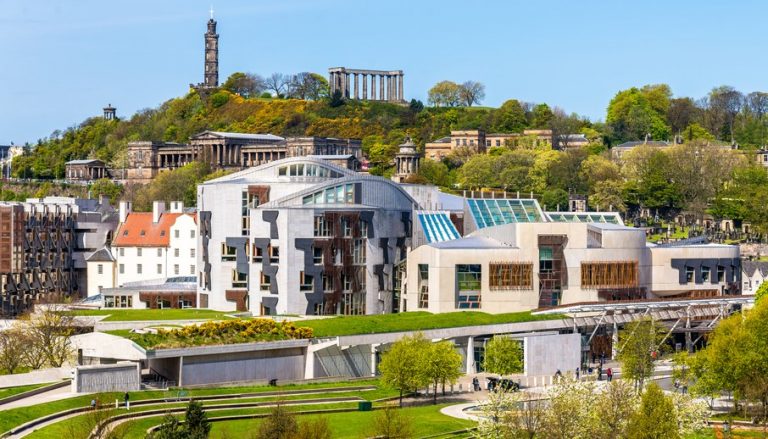
Council tax is set to double for second homes in Scotland.
The Scottish government has put forward proposals which would give local councils the discretion to charge council tax premiums of up to 100% on second homes.
If this proposal is approved the new measures could come into force by April next year.
The latest figures from the Scottish government reveal that there are more than 24,000 second homes in Scotland.
The proposal would bring Scotland’s 24,000 second homes in line with long-term empty homes in the way council tax can be levied.
A second home in Scotland is defined for council tax purposes as being nobody’s main residence but occupied for at least 25 days a year.
When approached for comment by Property118, the Scottish government confirmed that second homes which are let out as self-catered properties for at least 25 days a year, a 100% council tax premium would apply.
Public finance minister, Tom Arthur, says the legislation is designed to encourage more housing to be used as homes to live in.
He said: “We want everyone in Scotland to have an affordable home that meets their needs.
“While second homes can bring benefits to local economies, we know they can also affect local housing stock, pushing up prices for those looking to buy or rent.
“That’s why we’re bringing in this legislation encouraging more housing to be used as homes to live in, seeking a fair contribution to local services from everyone.”
However, one industry body warns that charging council tax premiums is not the solution to the housing crisis.
Propertymark says similar proposals have been enacted in Wales where local authorities have had the ability to increase council tax premiums on second homes and long-term empty properties by 300%.
This is despite how 79% of respondents to the Welsh government’s consultation felt that doing so would have little or no effect in tackling housing issues.
Timothy Douglas, head of policy and campaigns says: “Raising council tax premiums for second homes is not an effective policy intervention because the key to ensuring that there are adequate numbers of homes for people to live in is it to build more houses across all tenures.
“Furthermore, considering the Scottish government’s own data shows a rise in empty homes rather than second homes across Scotland it is surprising that there is not more action being taken, such as grants as we have seen in Wales, to bring empty homes back into use.
“What we need to see from policymakers is greater research and insight into the causes behind second home ownership and what leads to homes being left empty for long periods alongside a long-term house building programme for Scotland.”
2 comments on this article
A different perspective could help you spot an issue, avoid a mistake or find a better way forward. Read the comments and add your own views if you wish.
Next Article
Tenant requesting for Section 21?
4 years ago | 7 comments

3 years ago | 1 comments

3 years ago | 20 comments
Member Since March 2023 - Comments: 144
11:47 AM, 22nd September 2023, About 3 years ago
Owner, owner’s partner or owner’s family member ‘moves in’ and claims single occupancy allowance.
They may not stay there every night. They may stay once a month, if at all. Friends and family may visit occasionally (or often).
Member Since September 2018 - Comments: 3760 - Articles: 5
1:44 PM, 22nd September 2023, About 3 years ago
A second home in Scotland is defined for council tax purposes as being nobody’s main residence but occupied for at least 25 days a year.
So a family member ‘moves in’ who does not currently pay CT themselves (in Scotland only I presume – so could actually still be a CT payer in England?) as Teesider suggests and ‘lives’ there paying the single occupancy allowance.
Or ‘carry out’ significant repairs making the property exempt from CT completely as it will be defined as ‘uninhabitable’.