
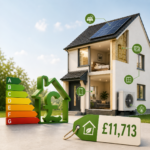
EPC upgrades could cost landlords £11,713
4 months ago | 3 comments


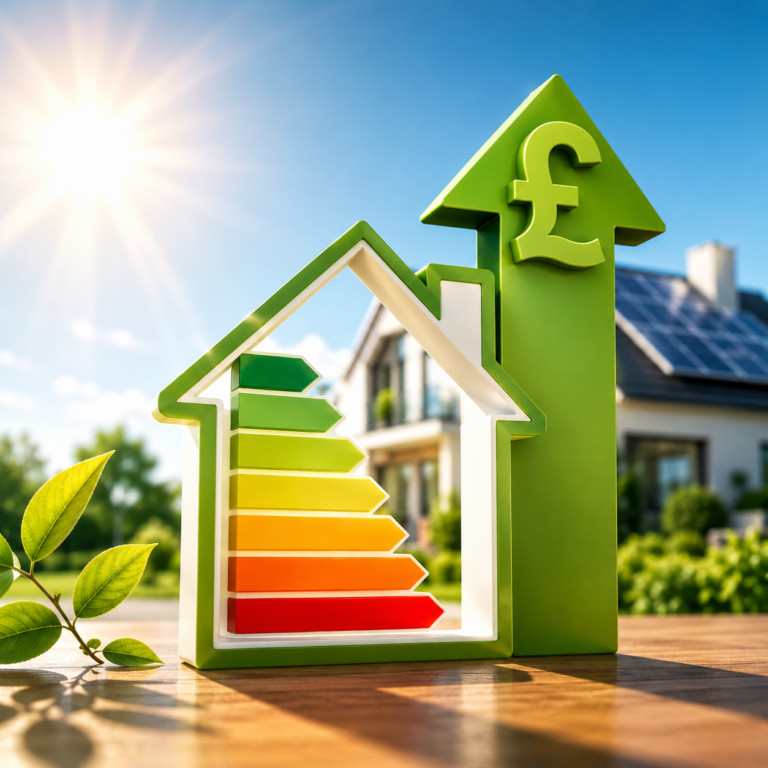
With energy bills continuing to rise, EPC ratings are playing an increasingly important role for buyers and tenants, according to a property portal.
Data from Rightmove shows that the latest energy price cap increase could add up to £591 a year to bills for households in the lowest EPC-rated homes.
The energy price cap is set to rise by 13% for millions of households across the UK in July.
According to Rightmove, a typical home with an EPC rating of A could see annual bills rise by around £65, compared with £205 for a C-rated property, £284 for a D-rated home, and £591 for a G-rated property.
More than half of homes (52%) currently for sale have an EPC rating of D, as rising energy bills drive increased demand among buyers for modern, energy-efficient homes.
Colleen Babcock, Rightmove’s property expert, explains: “Energy efficiency is playing an increasingly important role in how people choose their next home. While the latest increase will be felt by most households, our data shows the difference between the most and least efficient homes is becoming starker, with those in lower-rated properties facing much higher annual costs.
“We spotted in our data that at the start of the global uncertainty and conflict in Iran in March, we saw a 35% increase in demand for homes with the highest EPC rating compared with the same time last year.
“It’s a clear sign that when the cost of living becomes more uncertain, energy efficiency moves higher up the priority list for both buyers and renters looking to keep their running costs under control.”
An industry body has warned that while tenants and buyers are placing greater emphasis on EPC ratings, targets such as achieving EPC C by 2030 must not take a “one-size-fits-all” approach.
Nathan Emerson, CEO of Propertymark, said: “As energy costs continue to rise, it’s understandable that buyers and tenants are placing greater emphasis on the running costs of a property, and EPC ratings have become an increasingly visible part of that conversation.
“With households facing yet another increase in energy bills, improving the energy efficiency of homes is more important than ever. However, Propertymark has consistently called for reforms to the EPC regime so it provides a more accurate picture of a property’s energy performance and a practical roadmap for improving energy efficiency.
“Our member agents tell us that while EPCs are an important consideration for buyers and tenants, the current methodology does not always reflect how homes perform in practice, particularly older and traditional properties.
“Any drive to improve the UK’s housing stock must be backed by realistic timescales and greater financial support, ensuring energy efficiency improvements are affordable and achievable for homeowners and landlords alike.”
1 comment on this article
A different perspective could help you spot an issue, avoid a mistake or find a better way forward. Read the comments and add your own views if you wish.
4 months ago | 3 comments

4 months ago | 12 comments
Member Since April 2024 - Comments: 27
7:45 AM, 4th July 2026, About 3 months ago
Never once has anyone every asked or enquired a out the epc on my houses.
They are more interested in the cost of rent, condition of property, can they decorate, am I ok with pets etc.
Never “what’s the EPC on this property”
They are both C as of this year