

New EPC rules could lead to higher fines for landlords without valid EPCs in Scotland
1 year ago | 3 comments


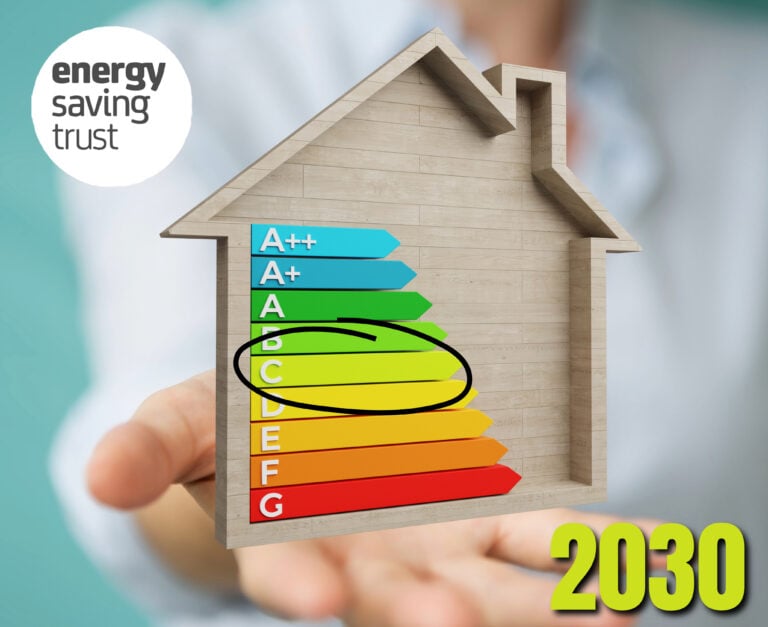
To help private rented sector landlords meet the upcoming tightening energy performance certificate changes, the Energy Saving Trust has published a guide.
By 2030, ‘it is proposed, but not yet passed into law and under consultation,’ that all rental properties in England and Wales must achieve an EPC rating of C or higher, a move that could slash tenants’ yearly energy costs by approximately £240.
Currently, only 48% of private rented homes in England have an EPC rating of C or better, with the existing minimum standard being E.
The cost of upgrading could be £6,100 to £6,800 per property to meet the proposed 2030 deadline.
The government has launched a consultation inviting landlords and tenants to voice their opinions, with submissions accepted until 2 May.
The initiative aims to balance the needs of landlords with the financial benefits tenants could enjoy since many renters lack the authority to implement substantial home enhancements themselves.
The Trust says that for landlords, boosting a property’s energy efficiency isn’t just about meeting regulations because it’s also a chance to make homes more appealing, cost-effective and cosy.
Meanwhile, Scotland is forging its own path with the Scottish Government’s Heat in Buildings Bill for landlords to meet new efficiency benchmarks by 2028, including installing upgrades and phasing out fossil fuel heating systems – like gas and oil boilers – by 2045.
Alternatives such as heat pumps, advanced electric heaters and district heating networks are being championed.
Additionally, separate EPC reforms could see the validity of EPCs being cut from 10 years to five, ensuring more current data for prospective renters and buyers.
The Energy Saving Trust offers practical guidance to help landlords navigate the proposed requirements.
Improving a property’s energy rating starts with a professional assessment by an accredited domestic energy assessor – arranged with at least 24 hours’ written notice to tenants. The resulting EPC report highlights tailored suggestions, from insulation and modern heating solutions to draught-proofing and double glazing.
In England and Wales, landlords won’t be compelled to spend above £3,500 – currently – on these enhancements.
If costs exceed this cap, a high-cost exemption can be sought through the PRS Exemptions Register.
Funding options include personal investment, third-party support or government-backed home energy grants.
Practical upgrades range from fitting cavity wall insulation and energy-efficient boilers to smaller tweaks like swapping to LED lighting or adding smart meters.
Properties facing structural hurdles or affordability constraints may qualify for exemptions, valid for five years once registered.
The Energy Saving Trust says that landlords can also play a role in helping tenants trim their energy expenses.
Sharing energy-saving tips, available through resources like the Energy Saving Trust, or pointing renters towards support services can make a difference.
In England, the government’s energy bill advice is a useful starting point, while Scotland’s Home Energy Scotland, Wales’ Nest, and Northern Ireland Energy Advice offer bespoke guidance.
Local organisations, such as Citizens Advice, provide further assistance.
Every day, landlords who want to influence policy and share real-world experience add their voice here. Your perspective helps keep the debate balanced.
Not a member yet? Join In Seconds
Login with
Previous Article
More than half of Brits fear for high-rise safety – survey
1 year ago | 3 comments

1 year ago | 15 comments

1 year ago | 17 comments
Sorry. You must be logged in to view this form.
Member Since March 2025 - Comments: 1
6:05 PM, 31st March 2025, About 1 year ago
£6800 cost for average property to save £240 per year. That means it’ll take 25 years to pay back the investment.
And that doesn’t include interest.so it’s probably more like 30 years.
Unfortunately the landlords will increase rents to pay for it.
Member Since June 2019 - Comments: 765
8:49 PM, 31st March 2025, About 1 year ago
Reply to the comment left by Bill Mitchell at 31/03/2025 – 18:05
The critical point is that there is zero payback for the landlord without raising the rent and by way more than that saving.
Member Since October 2024 - Comments: 11
8:30 AM, 5th April 2025, About 1 year ago
Reply to the comment left by Niknak Harris at 31/03/2025 – 14:10
Yes an EPC Assessor is permitted to undertake an EPC on their own property. However, within the EPC software the Assessor should declare their conflict of interest and indicate that they have an interest in the property.