

Landlords face a £23.4 billion bill to upgrade PRS homes to meet EPC standards
2 years ago | 3 comments


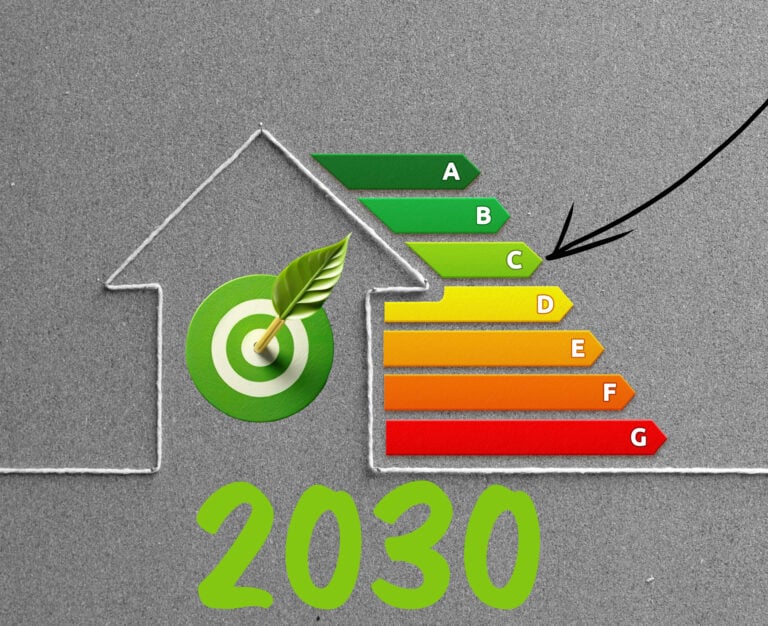
It could take landlords in the private rented sector (PRS) more than two decades to recoup the costs of upgrading their properties to meet the government’s minimum EPC C rating deadline by 2030.
The research from lettings and estate agents, Benham and Reeves, found that the average cost of upgrading a sub-C rated property to a C or above in England is £7,396.
While this improvement is expected to create an annual energy bill saving of £280, it would take the average landlord an astonishing 26.4 years to meet the expected annual cash savings.
However, landlords in the capital face a daunting 31.7 years to recoup their investment.
Marc von Grundherr, a director of Benham and Reeves, said: “Since taking power, our new government has launched a range of initiatives designed to win the vote of the average tenant without much thought for the wider rental market and plans to make EPC requirements of a C mandatory are yet another example of this.
“Insisting that landlords make such a sizable investment into the energy efficiency of their property for what is, let’s face it, a very marginal improvement, is only likely to act as another deterrent to investors.
“Especially when you consider that it would take almost 27 years to recoup this investment on the money saved on energy bills and the average landlord only remains in the sector for a decade.”
He added: “What’s more, current plans provide no guarantee that carrying out any work will actually improve an EPC score and when you also consider the lack of tradespeople and the high prices they’re commanding as a result.
“It’s no wonder many landlords may think twice about their future within the sector.
“Those who do remain will inevitably have to pass any cost incurred in meeting an EPC C rating onto the tenant in the form of higher rent, further exacerbating the current issue of rental market affordability.”
Landlords in London face an average upgrade cost of £7,807 and an expected annual energy bill saving of £247 – and an average payback period of 31.7 years.
Benham and Reeves say this figure is much higher than elsewhere because there are higher average upgrade costs in the capital
Also, the prevalence of Grade II listed buildings, means they tend to have limited potential for energy efficiency improvements.
Other regions with longer-than-average payback periods included the East Midlands (30.8 years), North East (29.8 years) and East of England (27.0 years).
While the South West region offered the highest potential energy bill savings, its relatively high upgrade costs meant that landlords there would still need to wait an average of 22.5 years to recoup their investment.
12 comments on this article
A different perspective could help you spot an issue, avoid a mistake or find a better way forward. Read the comments and add your own views if you wish.
Previous Article
No common access to roof space?
2 years ago | 3 comments

2 years ago | 9 comments

2 years ago | 19 comments
Member Since July 2013 - Comments: 524 - Articles: 1
3:24 PM, 10th October 2024, About 2 years ago
Some good comments here. Also, it seems to me that the ordering of items in the EPC is illogical, though it does show up the staggeringly poor return (I would argue negative return) on certain energy improvement measures, as I show here: https://www.lettingfocus.com/blogs/2024/04/the-ordering-of-energy-performance-certificate-recommendations-to-reduce-energy-use-are-illogical/
Member Since October 2024 - Comments: 7
7:56 AM, 12th October 2024, About 2 years ago
Reply to the comment left by The Property Man at 10/10/2024 – 11:41
And yet, you’ll chasing off existing tenants with the hike in rent – and narrowing the margin for applicants’ affordability, meaning that you’ll have a harder time shifting the property to a new occupant. Then, presumably, the cycle repeats itself with the inevitable next rent hike… But where is the ceiling (they are already talking about a pre-emptive cap on rents, to stop landlords protecting themselves)? Ultimately, they are – quite transparently – milking the PRS. And it’s all based upon a broken system of EPCs – where even the people implenting the surveys refuse to support it’s reliability as a sound basis for home improvements. The current EPC system must change.