

The tax record slip that cost a landlord dearly
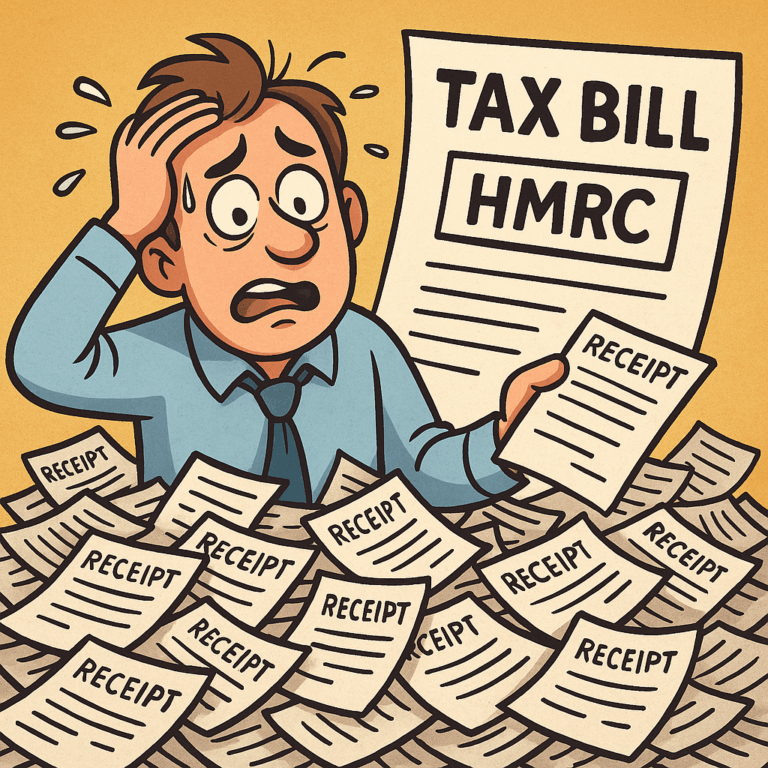

The landlord managed their portfolio casually. Rent came in, expenses were paid, and tax returns were filed each January. But when HMRC opened an enquiry, gaps appeared. Receipts had been misplaced, mortgage interest had been miscalculated, and repair costs were confused with improvements. The result was an unexpected bill for underpaid tax, plus penalties and interest. A profitable year on paper turned into a financial loss.
HMRC requires landlords to keep accurate records of rental income and allowable expenses for at least six years. Common mistakes include failing to separate capital improvements from revenue expenses, misclaiming mortgage interest under post-2017 rules, or not declaring income from short-term lets. In this landlord’s case, poor record-keeping meant they could not substantiate their claims. HMRC imposed penalties not just for underpayment, but for “careless” submission of returns.
The lesson is clear: casual accounting is a false economy. Landlords should use software, spreadsheets, or professional accountants to keep meticulous records. Every rent payment, invoice, and receipt should be documented. HMRC’s digitalisation agenda (Making Tax Digital for Income Tax) will make this even more important. Keeping clean records avoids penalties, reduces stress, and ensures landlords only pay what they owe — no more, no less.
What do you think?
How do you manage your property accounts — spreadsheets, software, or professional accountants? Have you ever faced an HMRC enquiry?
Source: Gov.uk guidance on landlord tax responsibilities
Previous articles in this series
Landlord Lessons: The AST date mistake
Landlord Lessons: The missing inventory
Landlord Lessons: The verbal agreement trap
Landlord Lessons: The gas safety lapse
Landlord Lessons: The unprotected deposit
Landlord Lessons: The unlicensed HMO
Landlord Lessons: The electrical safety lapse
Landlord Lessons: The Right to Rent slip
Landlord Lessons: The ignored repair
Landlord Lessons: The insurance blindspot
Landlord Lessons: The rent-to-rent risk
Landlord Lessons: The Section 21 error
Landlord Lessons: The Section 8 misstep
Landlord Lessons: The selective licensing oversight
Landlord Lessons: The EPC blindspot
Comments
Have Your Say
Every day, landlords who want to influence policy and share real-world experience add their voice here. Your perspective helps keep the debate balanced.
Not a member yet? Join In Seconds
Login with
Previous Article
Rent refund to all tenants years after S21 eviction?
Member Since October 2022 - Comments: 415
12:40 PM, 21st November 2025, About 6 months ago
Ha ha.
Perhaps more than a few Managing Agents for whom the Landlord named in long residential leases is liable, where leaseholders are also share of freeholders who own in their registered Titles the RMC which acts obh of the Landlord (and under separate covenant acts for the Lessee),that is, are their own landlord, should take note because these Leaseholders are ultimately liable for incorrect RMC tax returns.