

The insurance disclosure failure that voided a claim
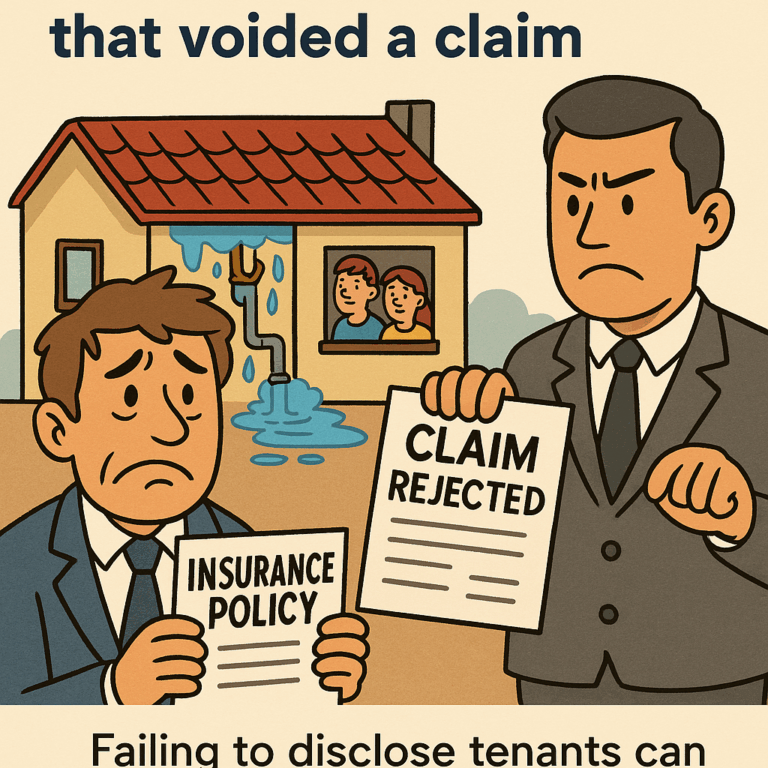

The landlord had buildings insurance in place but failed to notify the insurer that the property was rented out. When a serious leak caused thousands of pounds of damage, they submitted a claim. The insurer investigated and discovered the property was let to tenants, something not disclosed when the policy was taken out. The claim was rejected in full, leaving the landlord to cover repair costs personally. The oversight turned a manageable incident into a financial setback.
Insurance is a contract of utmost good faith, which means policyholders must disclose all relevant facts. Standard home insurance is rarely valid for rented properties, as the risk profile is different. Landlord insurance is specifically designed to cover tenanted properties and often includes rent protection and liability cover. In this case, the landlord assumed cover was sufficient without reading the terms, but the failure to disclose tenancy status voided the claim.
The lesson is clear: insurance is only as strong as the information provided. Landlords must ensure their policy is tailored to rented property and that any material changes, such as new tenants or vacant periods, are reported. Without accurate disclosure, cover may vanish when it is needed most.
What do you think?
Do you hold specialist landlord insurance? Have you ever had an insurer ask about tenancy status or occupancy details?
Source: Association of British Insurers: Landlord Insurance
Previous articles in this series
Landlord Lessons: The AST date mistake
Landlord Lessons: The missing inventory
Landlord Lessons: The verbal agreement trap
Landlord Lessons: The gas safety lapse
Landlord Lessons: The unprotected deposit
Landlord Lessons: The unlicensed HMO
Landlord Lessons: The electrical safety lapse
Landlord Lessons: The Right to Rent slip
Landlord Lessons: The ignored repair
Landlord Lessons: The insurance blindspot
Landlord Lessons: The rent-to-rent risk
Landlord Lessons: The Section 21 error
Landlord Lessons: The Section 8 misstep
Landlord Lessons: The selective licensing oversight
Landlord Lessons: The EPC blindspot
Landlord Lessons: The rent increase mistake
Landlord Lessons: The service charge shock
Landlord Lessons: The tax record slip
Landlord Lessons: The guarantor gap
Landlord Lessons: The referencing shortcut
Landlord Lessons: The pet clause oversight
Landlord Lessons: The fire safety lapse
Landlord Lessons: The legionella neglect
Landlord Lessons: The asbestos surprise
Landlord Lessons: The DIY eviction disaster
Landlord Lessons: The rent collection chaos
Landlord Lessons: The repair retention row
Landlord Lessons: The unserved notice oversight
Comments
Have Your Say
Every day, landlords who want to influence policy and share real-world experience add their voice here. Your perspective helps keep the debate balanced.
Not a member yet? Join In Seconds
Login with
Previous Article
Case study: The landlord who expanded using buy to let gearing
Member Since February 2022 - Comments: 208
9:39 AM, 8th December 2025, About 7 months ago
100% as with previous article on consent the same property needed a subsidence claim, as I took out landlord insurance this claim was covered. Took nearly 2 years to resolve and would have cost nearly 3figures if I wasn’t insured. The one thing insurance companies are good at are NOT paying out so make sure to tell them everything and DOUBLE check the policy.