

Government U-turn as Warm Homes Plan sets EPC C deadline for 2030
9 months ago | 34 comments


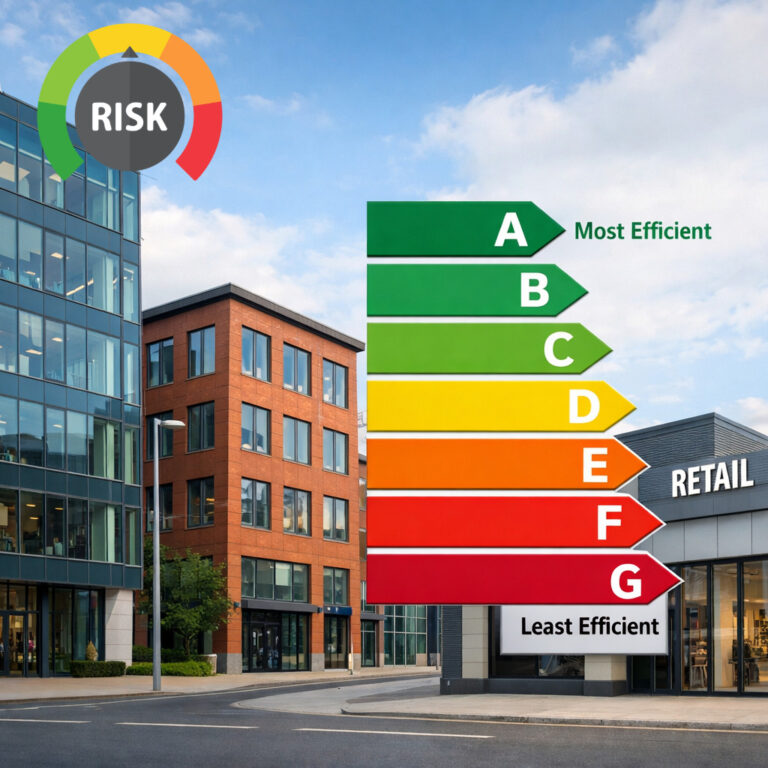
Most commercial buildings in England’s largest cities could become unlettable without swift government action on energy efficiency rules, a new analysis warns.
Research by the British Property Federation shows 81% of commercial buildings across seven major cities currently sit below an EPC rating of B, leaving around 190 million sq. m of floorspace exposed to future regulation.
The annual review examined offices, retail and industrial property in London, Birmingham, Bristol, Leeds, Liverpool, Manchester and Newcastle.
It found that only 3% of commercial buildings achieved an EPC A rating, with a further 16% reaching B.
The BPF’s assistant director, Rob Wall, said: “The Warm Homes Plan has left commercial landlords in the dark and out in the cold.
“We have been waiting for five years for a decision on future minimum energy efficiency standards for the non-domestic private rented sector.
“It is beyond belief that Ministers have kicked the can down the road once again.”
He added: “The lack of any real policy development under this government on upgrading commercial property is leaving commercial tenants with higher energy bills and undermining efforts to decarbonise our buildings.”
Manchester recorded the strongest performance, with 22% of buildings rated A or B, with London following closely at 21%.
Across all seven cities, the proportion of buildings achieving EPC B rose by just one or two percentage points over the past year.
Ongoing uncertainty over minimum energy efficiency standards is holding back investment and delaying upgrades across existing stock, the BPF says.
It warns that the absence of a formal response now makes the proposed 2027 and 2030 targets unrealistic.
That’s because of the work required and the long lead times involved in major commercial retrofits.
Be the first to comment
Have you dealt with something similar? Share what you learned, raise a question or offer a perspective your peers may find useful.
Previous Article
Taskforce urges government to restore LHA rates
9 months ago | 34 comments

2 years ago | 2 comments

3 years ago | 12 comments
Not a member yet? Join In Seconds
Login with