



Alarming rise in fires in purpose-built flats without smoke alarms
12:01 AM, 9th November 2026, 29 minutes ago
Categories:
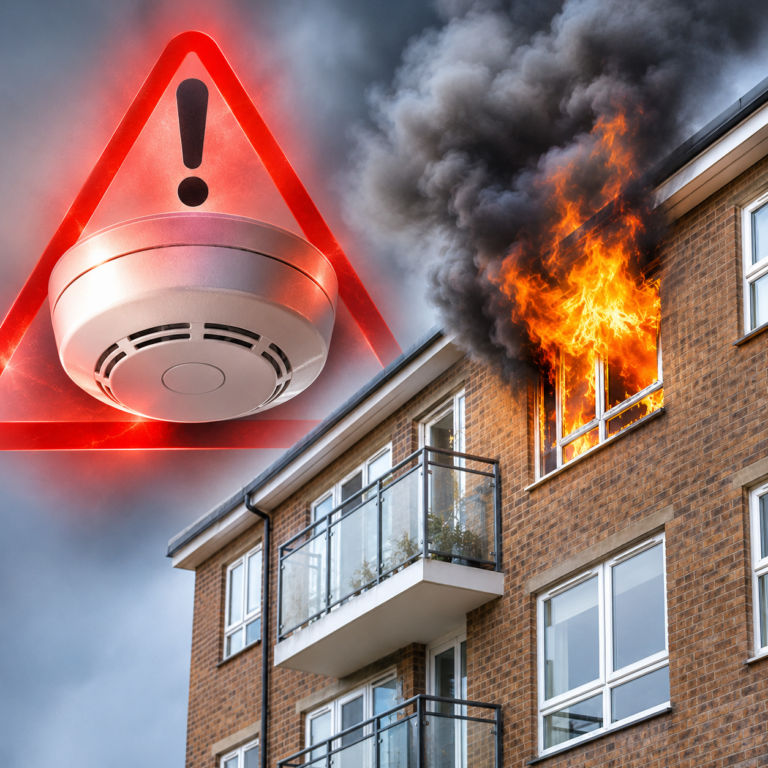
More than 1,000 fires have been recorded in purpose-built flats across England where no fire alarm was present, according to new figures.
Research by Drax Technology, which analysed data collected by Fire and Rescue Services across England, identified 1,205 fires in properties without an alarm. In 113 of these incidents, at least one fatality or casualty was reported.
A purpose-built flat could be part of a build-to-rent development, managed by a housing association, or privately owned.
Cookers and ovens were the most common source of ignition
The data also recorded 11 fires involving alarms with missing batteries and a further 10 where the battery was defective.
Cookers and ovens were the most common source of ignition, accounting for 363 fires. Other common sources included grills and toasters, microwaves, tumble dryers, deep fat fryers and fridge-freezers.
The compliance software company is urging property managers to make sure alarms are installed correctly.
David Simpson, group product director at Drax Technology, said: “These latest figures are deeply concerning. In 2026, nobody should be living in a home without a working alarm to warn them in an emergency.
“Something as simple as a missing battery should never stand between a resident and a warning that could save their life.
“This should be a wake-up call for anyone responsible for residential buildings, whether in Build to Rent, social housing or private developments. An alarm has to be there, it has to work and it has to be properly maintained.”
The findings come as Drax Technology launches a major update to its SafeVue platform, designed to give those responsible for multiple buildings a live view of fire safety across their estate.
The updated platform brings active alarms, faults, testing and asset status into a single view, allowing users to move from a portfolio-wide picture down to an individual building, floor or device when an issue requires attention
Be the first to comment
Your experience could help the next reader
Have you dealt with something similar? Share what you learned, raise a question or offer a perspective your peers may find useful.
Previous Article
Rents rise 5% as landlord voids lengthenNext Article
Council takeover of empty homes is not automaticRelated Articles

Landlords face huge cannabis farm bills
2 months ago | 1 comments

Plug-in solar panel warning for landlords
2 months ago | 3 comments
Not a member yet? Join In Seconds
Login with