

The ignored repair that backfired on a landlord
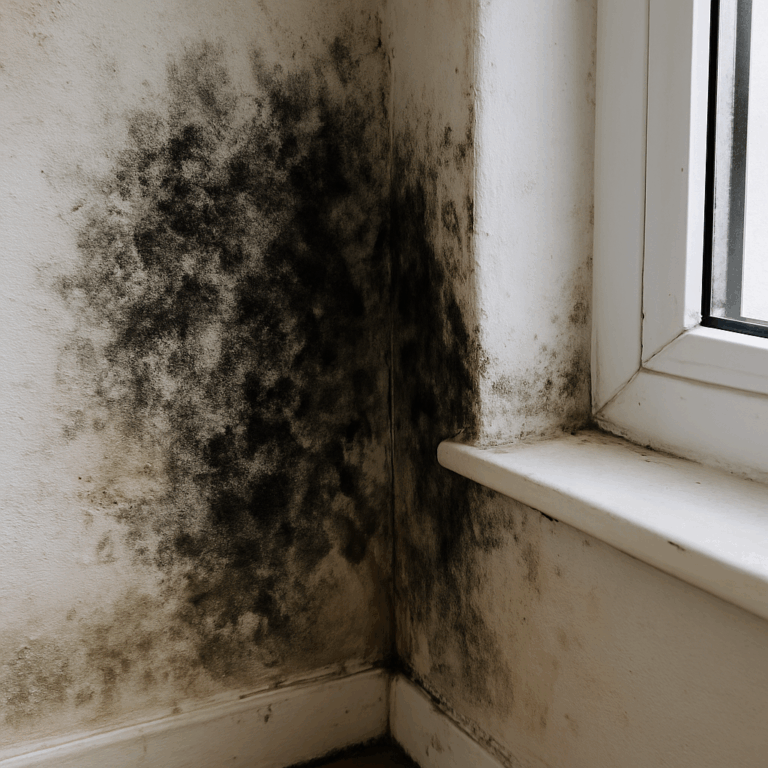

It began with a dripping tap and a small patch of damp by the window. The tenant reported it, but the landlord put it off, thinking it could wait until the next scheduled maintenance. Months later, the leak had spread, mould had taken hold, and the tenant had stopped paying rent in protest. Instead of a £150 repair, the landlord faced a housing disrepair claim, thousands in compensation, and a court order to carry out urgent works.
Under the Landlord and Tenant Act 1985, landlords are legally responsible for keeping properties in good repair, particularly the structure, exterior, and essential services. Ignoring repair requests not only damages trust with tenants but also exposes landlords to rent repayment claims and even personal injury liability. In this case, the delay gave the tenant grounds to argue the property was unfit for habitation, and the court agreed. The legal costs dwarfed what the original repair would have cost.
The lesson is obvious but often overlooked: act quickly on repair requests, even small ones. What seems like a minor inconvenience today can escalate into a major legal and financial problem tomorrow. Prompt maintenance protects the property, the tenant relationship, and the landlord’s bottom line.
What do you think?
Have you ever had a “minor” repair spiral into a bigger issue? How do you manage and prioritise maintenance requests to avoid disputes?
Source: Gov.uk guidance on landlord repair responsibilities
Previous articles in this series
Landlord Lessons: The AST date mistake
Landlord Lessons: The missing inventory
Landlord Lessons: The verbal agreement trap
Landlord Lessons: The gas safety lapse
Landlord Lessons: The unprotected deposit
Landlord Lessons: The unlicensed HMO
Be the first to comment
Your experience could help the next reader
Have you dealt with something similar? Share what you learned, raise a question or offer a perspective your peers may find useful.
Not a member yet? Join In Seconds
Login with