

Holiday lets are not the housing crisis culprit – STAA
2 years ago | 1 comments


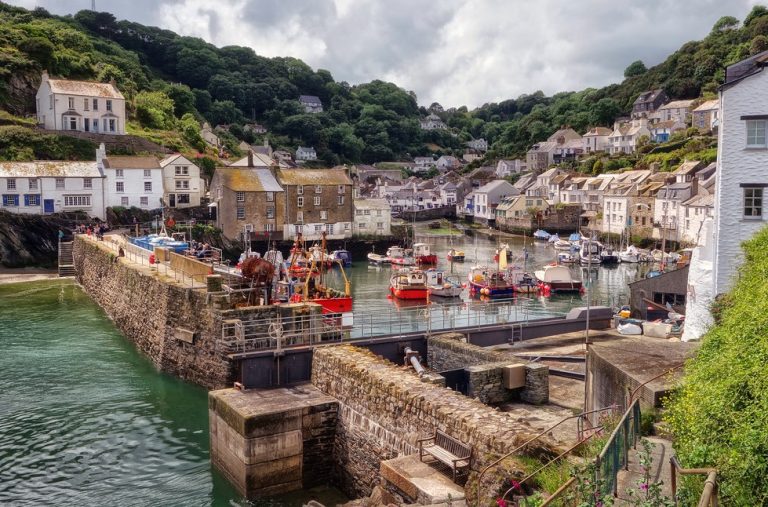
Local authorities are missing out on millions of pounds in tax revenue due to a loophole allowing holiday homeowners to avoid paying both council tax and business rates.
That’s the verdict of property consultancy Colliers which stresses it doesn’t blame the homeowners for taking advantage of the tax break when making their properties available to let since it is ‘sensible tax planning’.
However, the firm is pointing the finger at the government for the situation which is leading to friction in many coastal areas.
Despite new regulations, the system enables many holiday let owners to claim business rates relief by renting their properties for as little as 10 weeks annually.
Colliers estimates this costs the government £172 million a year, with Cornwall alone losing more than £26 million.
The firm’s head of business rates, John Webber, said: “Although current measures in place are tighter than they have been in the past, they are just not strong enough to deter second property owners ‘flipping’ into the business rates list and thus reducing the local authority’s ability to collect funds.
“Local authorities seem to have managed to return some properties to the council tax lists, but this is still not enough.”
He adds: “A second homeowner can still let out their property for only 10 weeks of the year and therefore avoid paying any business rates or council tax.
“The fact that the number of properties entering the business rates lists remains high, is a testament that the measures are not working.”
Mr Webber fears that the government’s current policy on second homes could exacerbate the problem unless changed by the new Labour government.
The Levelling Up and Regeneration Act grants local authorities the power to double council tax on second homes, defined as properties ‘furnished, for own personal use but not a main residence’.
This policy aims to reduce the number of second homes and increase housing availability for locals.
Cornwall’s county council has announced a 100% council tax premium on second homes from April 2025, and more than 150 other councils plan similar increases next year.
This will affect over three-quarters of England’s second homeowners, impacting around 130,000 properties.
He continues: “The incentive to flip properties into the business rates list will be even higher as council taxes rise.
“Some councils are talking about rises of 200 or 300%.
“If Cornwall Council believes ‘tripling’ council tax on second homes is the answer to deterring second homeowners and solving the local housing crisis they are living in cloud cuckoo land.”
He added: “Offering either double or triple tax or no tax will only encourage even more people to try to flip from council tax to business rates.
“And even if some second homeowners are deterred and sell up and leave the area, locals are unlikely to be able to afford such housing in any case and local businesses that were supported by these owners and their properties will also suffer, depleting the tax take even further.”
2 comments on this article
A different perspective could help you spot an issue, avoid a mistake or find a better way forward. Read the comments and add your own views if you wish.
Previous Article
Can I use Whatsapp to send legal documents or not?Next Article
What do I need for a landlord insurance quote?
2 years ago | 1 comments

2 years ago | 2 comments

2 years ago | 1 comments
Member Since December 2023 - Comments: 1665
9:36 AM, 1st August 2024, About 2 years ago
Not only that but during the pandemic, holiday lets attracted grants of £10k whilst the PRS were given an eviction ban. I know many of the lets were still used by owners or family and friends of the owners.
Member Since September 2022 - Comments: 73
6:00 PM, 2nd August 2024, About 2 years ago
Whose side is Property118 on? Why are they exposing loopholes when the government has tax rises in mind and are busy preparing a budget?