

NRLA chief calls on government to avoid unhelpful rhetoric on Renters’ Rights Act
9 months ago | 1 comments


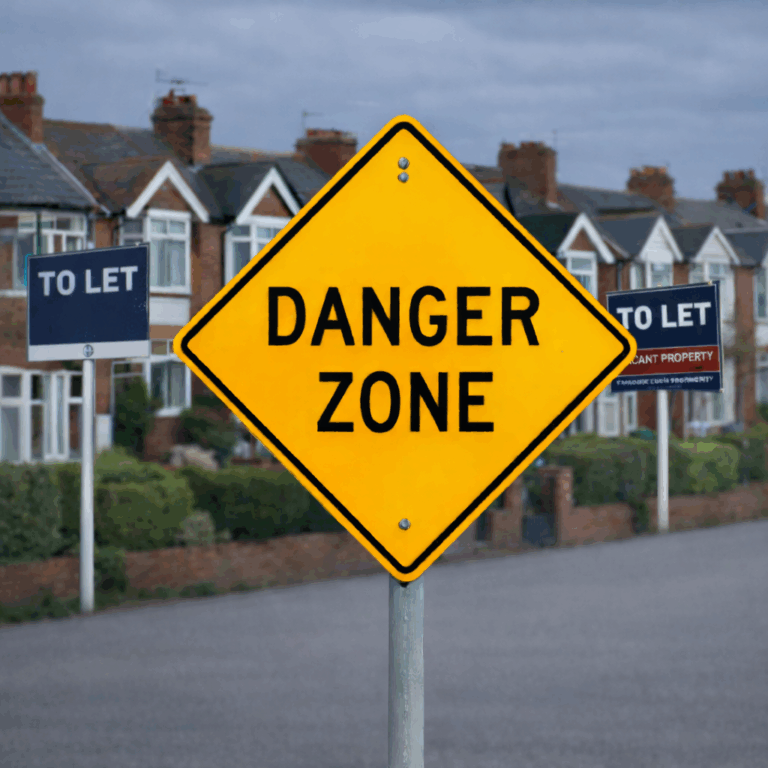
Generation Rent claims the private rented sector was a “danger zone” due to an imbalance of power between landlords and tenants.
Speaking to Matt Allwright on Channel 5 about the Renters’ Rights Act, the group’s chief executive, Ben Twomey, argued that many renters were living with insecurity and poor-quality housing.
However, a broadcaster on the panel pushed back, suggesting the Renters’ Rights Act could drive up rents and reduce the supply of rental homes.
During the programme, explaining about rental rights, Mr Allwright asked whether, with the 1 May deadline for the Renters’ Rights Act approaching, the sector was currently “in the danger zone”, with landlords making difficult decisions that could affect tenants.
In response, Twomey said the current rental system was putting tenants at risk.
He said: “The current system is the danger zone and we’ve been in that for nearly 40 years because the system is so imbalanced against renters, in the way that renters are living in insecurity, living in poor quality, unaffordable homes.”
The segment on rental rights explained about the rules coming into force in the Renters’ Rights Act such as the abolition of Section 21.
Mr Twomey claimed Section 21 was a leading cause of homelessness and “landlords can evict for no reason at the drop of a hat.”
As previously reported by Property118, government data shows landlords are not to blame for rising homelessness.
Mr Twomey welcomed the abolition of Section 21 but panellist James Max argued the Renters’ Rights Act would cause unintended consequences.
Mr Max told the panel: “There’s no doubt that some Section 21 no-fault evictions have been abused in certain ways and I think that’s probably the least contentious aspect of the changes which are coming down the pipes.
“However, I do think the government have not thought of the unintended consequences of the Renters’ Rights Act.”
Mr Max explains the act could reduce flexibility for students.
As previously reported by Property118, industry experts have warned the Renters’ Rights Act will make it harder for students to find homes.
Mr Max added that landlords will be likely to increase rents if costs go up: “If you ignore the fact that we have so many other factors, stamp duty, tax, all the red tape, the cost for landlords, if anybody thinks this isn’t going to impact on rent and what is charged, think again.”
Mr Twomey explained more about the rules in the Renters’ Rights Act, including the ban on rental bidding wars.
He said: “This is where you have a queue round the block to view a home and then, by the time you get to the front of that queue, the landlord’s rubbing their hands together and decides they’re going to pit you against another renter to see how much money they can make.
“It’s got nothing to do with the costs the landlord is facing or improving the quality of the home.”
Under the Renters’ Rights Act, landlords and letting agents will be required to publish an asking rent for each property. They will also be prohibited from asking for, encouraging, or accepting any bids above this price.
Similar rules were introduced in New Zealand, but since then, average rent prices in the country have increased.
At the end of the programme, Mr Max started to explain but was cut off about the consequences of the Renters’ Rights Act.
He said: “The reality is the Renters’ Rights Act is going to push supply down, costs up and courts are going to get stuck with all the complaints.”
You can watch the full segment about renters’ rights below from 42:00
11 comments on this article
A different perspective could help you spot an issue, avoid a mistake or find a better way forward. Read the comments and add your own views if you wish.
9 months ago | 1 comments

10 months ago | 1 comments

9 months ago | 4 comments
Member Since October 2023 - Comments: 267
8:54 AM, 21st February 2026, About 8 months ago
“Imbalance of power” !!!!
Do you think that might be because one party is risking their asset, which cost a cost a couple of hundred thousand quid, and the other ……..isn’t?
I’d like to think there would be a power imbalance.