

Andy Burnham warns LHA freeze is driving up temporary accommodation costs
1 month ago | 1 comments


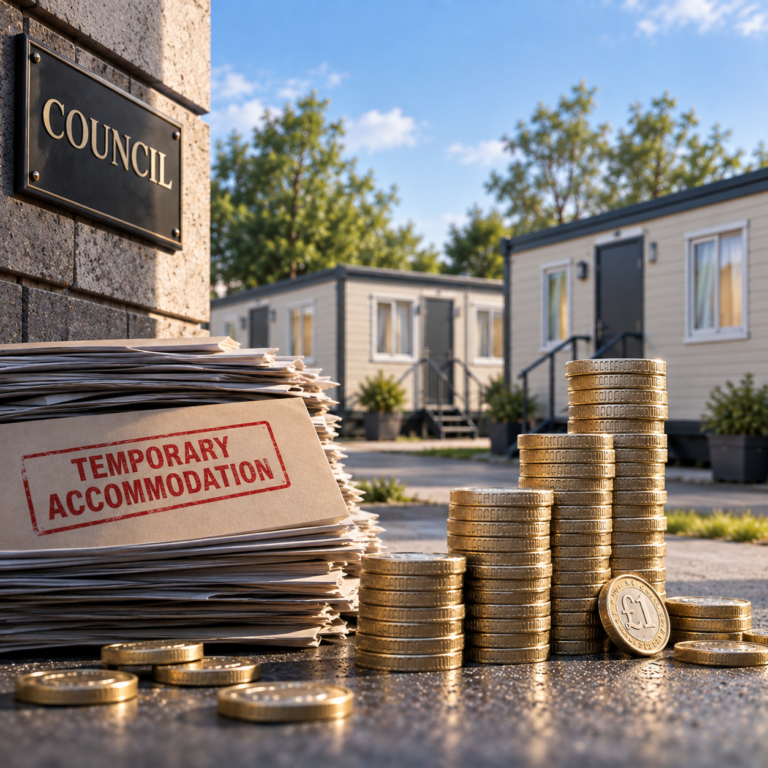
Councils across England are spending £2.9 billion on temporary accommodation as homelessness costs rise.
Data released by the government reveals that the amount spent on temporary accommodation has increased by 4%, from £2.8bn the previous year.
The news comes as councils will now be required to inform schools and GP practices when a child is placed in temporary accommodation.
According to the data, 64% of the total spend (£1.9bn) was on nightly-paid accommodation, hostels and bed and breakfasts.
Over the last five years, the total spent by local authorities in England on housing and homelessness services has increased by 88%, from £1.6bn in 2020/21.
This brings the total spent on housing and homelessness services since 2020/21 to £13bn.
Matt Downie, chief executive at Crisis, said the government must unfreeze the Local Housing Allowance (LHA) rates to tackle the temporary accommodation crisis.
He said: “These new figures show how desperately we need a culture shift away from ruinously expensive temporary fixes for homelessness, towards an approach that prioritises stable, permanent homes.
“There has been a seismic shift in the way homelessness has been prioritised under this new government, and we want to see this momentum continued to secure long term changes where we prioritise ending homelessness not managing it.
“For far too long we have relied heavily on costly sticking plaster solutions, with councils now spending almost three billion pounds each year on temporary accommodation that only traps people in a cycle of insecurity. With sky-high rental costs and a chronic shortage of affordable homes, people across the country are being pushed to breaking point.
“To prevent homelessness rising further, the government must urgently unfreeze housing benefit so it reflects the true cost of private renting. With the right action, we can finally start to see this overreliance on temporary accommodation fall and ensure everyone has access to the vital foundation that is a secure home.”
Shelter is urging the government to use next month’s Autumn Budget to commit to building more social housing.
Mairi MacRae, director of policy and campaigns at Shelter, said: “We have spent years treating the symptoms of the housing emergency, without addressing its cause. Without enough social homes, we’re throwing money at private companies to provide cramped and often grim temporary accommodation, which gets us no closer to ending homelessness.
“Councils once built the majority of social rent homes in this country. It is completely senseless that in today’s world they are forced to waste billions on temporary accommodation instead and are held back from building the social homes that would end the housing emergency.
“The government must use the Autumn Budget to get councils building again and prevent families from being wrenched from their communities and stuck in damaging temporary accommodation. It should remove the historic housing debt that is blocking councils from building social rent homes and immediately unfreeze housing benefit so families can afford a privately rented home in the meantime.”
1 comment on this article
A different perspective could help you spot an issue, avoid a mistake or find a better way forward. Read the comments and add your own views if you wish.
Previous Article
Britain's most competitive rent hotspots revealed
1 month ago | 1 comments

2 months ago | 2 comments

2 months ago | 2 comments
Member Since June 2015 - Comments: 365
12:21 PM, 24th September 2026, About 3 weeks ago
Unfreeze LHA and stop persecuting landlords. Let us get back to what we have been incredibly good at for nearly 4 decades. Housing people who can’t afford or aren’t ready to buy.
Some of my best long term tenants failed referencing and were shaky on affordability when I first granted them a tenancy. The existence of Section 21 allowed me to take a chance. In all cases they have behaved impeccably, some for well over 10 years.
If any of them leave or die I will use my best endeavours to sell those properties. The RRA makes the risk too high to take on less than gold plated tenants.