

Buy to let company boom hits record high
2 months ago | 1 comments



Limited company borrowing now accounts for a record share of buy to let purchases, reshaping how many landlords structure new acquisitions, research reveals.
The analysis by Paragon Bank shows 43% of mortgaged BTL house purchases in 2025 were completed through limited companies, up from 35% the previous year.
That proportion has climbed steadily since 2018, when companies represented just 7.5% of completions.
The bank’s managing director of mortgages, Louisa Sedgwick, said: “The continued rise in limited company buy to let activity reflects the structural shift we’ve seen in the market since the 2017 tax changes.
“As landlords have adjusted to being taxed on gross rental income, incorporation has become an increasingly attractive and often necessary route to maintain profitability.
“Limited company structures can potentially not only offer more efficient tax treatment but also provide greater flexibility for portfolio growth and long-term planning.”
She added: “The record share of purchases and remortgages completed through limited companies in 2025 underlines how deeply this trend is now embedded in the sector, and it is one we anticipate will continue.”
Changes to mortgage interest tax relief in 2017 altered the position for individual landlords, the lender says.
Finance cost deductions were phased out and replaced with a 20% tax credit, resulting in taxation on gross rental income rather than post-interest profit.
Remortgage patterns show a similar direction of travel as limited companies accounted for 11.5% of completed BTL remortgages in 2025.
That compares with 10% in 2024 and 1.30% in 2018.
There are now 274,315 incorporated active businesses which is a higher total than the number of active firms in the hospitality industry.
The research also shows that 29% of landlords hold property solely through a limited company structure.
Another 36% combine personal and corporate ownership, taking the share with at least one Special Purpose Vehicle (SPV) to 65%.
Age data shows higher incorporation rates among younger investors.
Within the 25-34 age bracket, 57% of properties are owned via limited companies and 43% through mixed structures.
For those aged 35-44, the figures stand at 46% and 39% respectively.
Important context: Property118 is not currently recommending Section 162 incorporation for landlords with mortgages while legal uncertainty remains over the treatment of mortgage liabilities. Read our current position here: Why Property118 is not currently recommending s162 incorporation to landlords with mortgages
If you are weighing up your own strategy, whether that’s to sell, expand, or restructure to improve profitibility, it is worth having a discussion with a Property118 consultant to take a closer look at how your portfolio is structured as a whole now, and to forecast the outcomes based on multiple scenario’s.
These conversations are typically most useful for landlords with established portfolios and relatively modest borrowing who are beginning to reflect on how their assets could work more effectively in the years ahead.
|
★★★★★
|
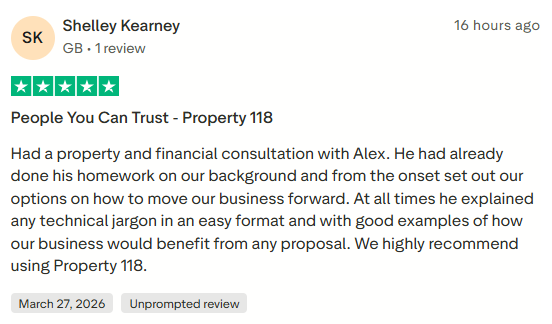
Help other landlords find Property118If you have found Property118 useful, a short Trustpilot review would make a meaningful difference. It helps other landlords decide whether our research is worth following. |

Every day, landlords who want to influence policy and share real-world experience add their voice here. Your perspective helps keep the debate balanced.
Not a member yet? Join In Seconds
Login with
Previous Article
UK rents dip in February - led by London falls
2 months ago | 1 comments

2 months ago | 1 comments

2 months ago | 7 comments
Sorry. You must be logged in to view this form.
Member Since March 2023 - Comments: 1506
8:40 AM, 4th March 2026, About 1 month ago
LTD company is the way to go BUT if you are only planning 1 or 2 properties then you will find LTD company administrations costs (accountancy etc) are far higher than owning a property in your own name. Also remember that you get taxed twice – the company is taxed on the rental profits and you are taxed when you take money out of the company.
There are big advantages as well – share structuring for one,but you really need to go into the costings before committing
Better still, don’t bother with renting properties at all and find something with an equal return and less hassle –
13 sold, 5 to go !