

Damp and mould issues in rented properties
2 years ago | 52 comments


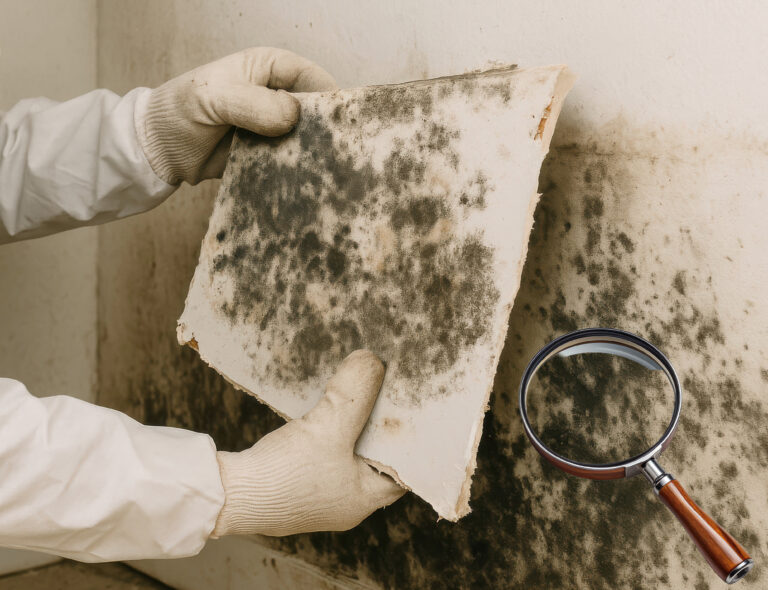
An industry body warns that with winter approaching, landlords should increase inspections after one landlord discovered severe black mould caused by tenants failing to ventilate a property.
Propertymark has created a list for landlords and letting agents about different types of mould to look out for in a property and tips on what to do.
The news comes as social housing landlords prepare for Awaab’s Law, which comes into force this month and will be extended to the private rented sector in the future, requiring landlords to fix damp and mould within strict timeframes.
Michaela Anaka, ARLA Propertymark Executive for South London, discovered her three-bedroom property was filled with severe black mould after tenants failed to ventilate the home, costing her thousands of pounds to fix.
She told Propertymark the tenant and their family had been sleeping in one bedroom, with numerous belongings stored in black plastic bags stacked against the walls and ceiling. The other bedrooms were also filled with bags of clothes.
A vented tumble dryer had been installed incorrectly, with the hose releasing moist air directly into the hallway in an attempt to provide heat. The tenant believed this was an alternative way to warm the property.
Indoor moisture levels were made worse by laundry being routinely dried on radiators while the heating was on, and windows were rarely opened, providing little ventilation. Severe mould developed across ceilings and walls due to constant condensation.
The tenant repeatedly avoided scheduled property inspections, and when access was finally gained, severe black mould was found on the ceilings. Conditions were so hazardous that tradespeople had to wear masks while carrying out repairs.
Michaela was left with a bill of several thousand pounds to treat and redecorate the property using specialist anti-mould treatments. A year later, the property remains mould-free.
She urges landlords to conduct regular inspections to check the property.
She said: “Mould can escalate without adequate heating, ventilation, incorrect use of appliances, building issues and maintenance issues which is why prevention remains the most effective answer. Frequent inspections and access are vital, paying special attention to the exterior of the property especially ensuring gutters and downpipes are checked and cleaned annually.
“Furthermore, it is important to bear in mind excess belongings stored in a room along with overcrowding, worsens condensation, and early intervention prevents a high cost later for many tenants, particularly in terms of their health, as they can be exposed to asthma, allergic reactions, and other respiratory conditions. As winter approaches, please ensure that the conditions in your property do not allow damp and mould to flourish.”
Propertymark has created a list of different types of damp and mould to look out for in a property.
The industry body says landlords and tenants should work together to address damp and mould issues.
Propertymark urges tenants not to dry wet clothes indoors without allowing a regular flow of fresh air and to make sure all areas are adequately ventilated, whilst landlords should regularly inspect the property, inform tenants how to use the heating system correctly, and ensure fans and vents are working properly.
1 comment on this article
A different perspective could help you spot an issue, avoid a mistake or find a better way forward. Read the comments and add your own views if you wish.
Previous Article
How to Keep Buying Property When Your Money Runs OutNext Article
Council hits landlords with £180,000 in fines
2 years ago | 52 comments
2 years ago | 10 comments
1 year ago | 2 comments
Member Since June 2025 - Comments: 2
10:56 AM, 22nd October 2025, About 1 year ago
Some Landlords need to take it seriously and heed warnings. My daughter’s student accommodation landlord failed to heed warnings in December and September and as a result has now had to completely strip out the only bathroom and toilet, as well as 2 walls, the floor and some joists after he took look at his empty office below and the ceiling had come in due to the water from the leaking shower. No one to blame but himself and his “fully qualified” electrician, plumber and builder cousin. Yes, sometimes it is the tenants, but Landlords sometimes have to just take stock and deal with issues properly.