

Renters’ Rights Act prompts backlash from Dorset landlords
5 months ago | 8 comments


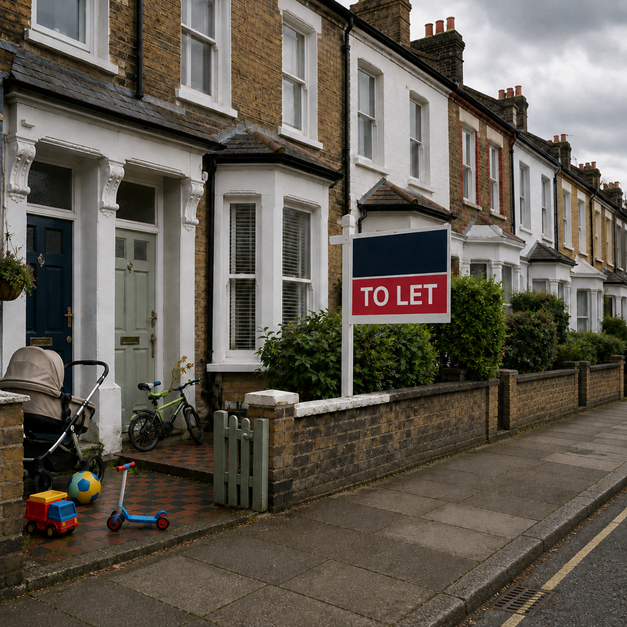
Landlords are now housing a generation of young families for longer, as the number of children living in privately rented homes has tripled since the turn of the century.
The Resolution Foundation said 3.2 million children were living in the private rented sector (PRS) in 2024-25.
That compares with 1.1 million in 2000-01, with one in four children under 11 now in the tenure.
Its latest Housing Outlook report found that the sector is home to 12.9 million people in 5.2 million households, more than double the 5.1 million people in 2.5 million households recorded in 2000-01.
The organisation is also predicting that there won’t be an exodus of landlords facing high EPC improvement bills.
It says there are 2.3 million PRS properties in England that do not currently meet the EPC C+ level required by 2030, equivalent to 47% of the stock.
Improving a rented dwelling to EPC C typically costs £9,000, according to the report, equal to 75% of the median annual rent income received by landlords owning one property.
The foundation said: “It is possible that landlords operating at narrow margins may decide to exit the tenure, but large-scale exits seem unlikely (and did not occur after previous energy efficiency regulations were introduced).”
It added that policy changes over the past decade had increased landlords’ tax burden but said there were no signs that the stock of privately rented homes was shrinking.
The proportion of the population living privately in Britain has increased from 9% to 20% over the same period, after years in which weaker first-time buyer affordability and limited social housing stock added to demand.
The proportion of people in their 30s living in the PRS rose from 10% in 2000-01 to 28% in 2024-25, the largest percentage point increase among the age groups covered by the report.
Under-1s are particularly prominent, with 27% now living in privately rented homes.
Children are also slightly more likely than adults to be in the sector, at 23% compared with 22%.
The foundation said: “Today, children are more likely to be living in the PRS than working-age adults.
“Getting policy right in this space is now more important than ever.”
Tenants are remaining in their homes for longer as the average length of time spent in the same rented home increasing from 3.7 years in 2010-11 to 4.7 years in 2024-25.
However, this remains below the 12.2 years recorded for social tenants and 8.9 years for mortgagors.
Private tenants spend an average of 35% of their income on housing costs, above the widely used 30% affordability ratio and more than mortgagors or social tenants.
The foundation said: “With Local Housing Allowance frozen in cash terms and the gap between the support available and actual rent levels approaching record highs, there is an urgent need for policy makers to seize the nettle and find a stable settlement for housing support for the poorest of tenants.”
Older tenants are also expected to become a more significant part of the market with the proportion of over-65s living projected to rise from 4% in 2022 to 13% in 2040.
Be the first to comment
Have you dealt with something similar? Share what you learned, raise a question or offer a perspective your peers may find useful.
5 months ago | 8 comments

5 months ago | 1 comments

5 months ago | 3 comments
Not a member yet? Join In Seconds
Login with