

Landlord EPC improvements cost cap now £3500
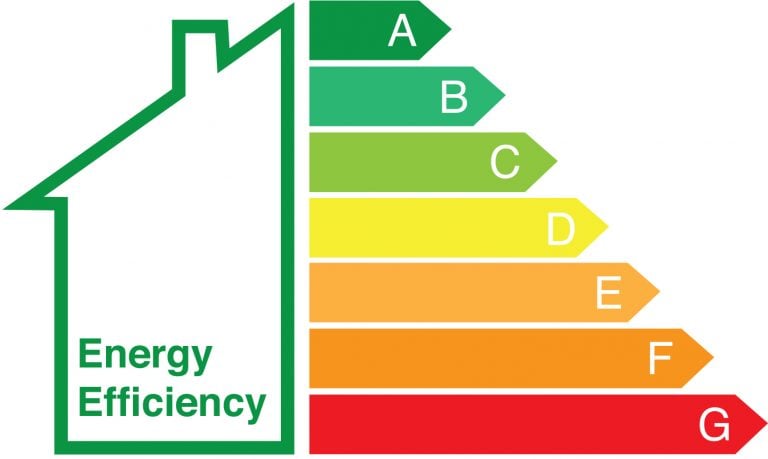

As of this month Private landlords under MEES regulation are required to pay up to £3,500 bringing properties to the minimum EPC standard of E.
To remain on the exemption register with an EPC rating of F or G Landlords must show the cost of improving the property to an E rating is more than £3,500 plus Vat. Flying in the face of the original principle of improvement costs being cost neutral for landlords.
Landlords can no longer start a new tenancy if the property has a rating of less than E in England and Wales and from 2020 all existing tenancies must be covered by an E rated EPC.
ARLA responded to the consultation to amend the Energy Efficiency (Private Rented Property) (England and Wales) Regulations 2015 to remove the no cost to the landlord principle in March 2018. ARLA said: “We argued that we did not agree with the proposals, and that the initial planned cost cap of £2,500 was too high and would deter landlords from the sector.
“In January, we also submitted a response to the Business, Energy and Industrial Strategy Committee inquiry into energy efficiency. We stated that targets for EPC ratings of existing stock were too ambitious, as private landlords are provided little funding or incentive to make changes. We think that the UK Government should instead focus on introducing a Property MOT, encompassing many areas of property standards including energy efficiency. To aid landlords, the Energy Company Obligation should focus on providing funding to the private rented sector.”
Be the first to comment
Your experience could help the next reader
Have you dealt with something similar? Share what you learned, raise a question or offer a perspective your peers may find useful.
Previous Article
Licensing costs and admin finishing off some LandlordsNext Article
Section 21 - really as easy as it sounds?
Not a member yet? Join In Seconds
Login with