

UK average house price now £188,903 while in London it is £400,404


The UK average house price has now surpassed the 2007 peak by almost 1%. However, if you exclude London figures the average is still 0.4% below the pre-credit crisis high with London actually 30% above.
Year on year figures in the Nationwide survey show the UK average house price rise was 11.8% to £188,903, while London had its greatest increase since 2005 up 25.8% to £400,404.
The figures below show a regional break down of what the picture looks like across the whole country.
| Region | Average Price | % Change |
|---|---|---|
| London | £400,404 | 25.8 |
| Outer Metropolitan | £295,543 | 16.4 |
| Outer South East | £230,409 | 14 |
| South West | £207,420 | 9.8 |
| East Anglia | £188,960 | 9.5 |
| Wales | £145,812 | 9.3 |
| Northern Ireland | £117,150 | 8.4 |
| East Midlands | £154,145 | 8.3 |
| West Midlands | £160,383 | 8.2 |
| North | £125,106 | 8.1 |
| North West | £144,851 | 7.1 |
| Yorkshire & Humberside | £142,661 | 7 |
| Scotland | £141,872 | 5.4 |
| UK | £186,544 | 11.5 |
The UK housing market is almost a pure supply and demand based model dictating the price, with supply not keeping up with demand being the over riding factor leading to the price increases we are seeing. The supply of housing has consistently fallen behind for the last 10 years and we need to build over 250,000 homes each year just to balance current levels of demand. (see table below)
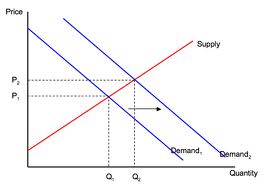 Mark Carney, the Governor of the Bank of England, has identified the housing market and a potential boom and bust scenario as the biggest single domestic threat to the economy. As the Bank of England cannot control supply it is trying to dampen future demand by capping Loan to Income multiples that banks can lend to borrowers with a maximum 15% of loans per bank being allowed above a 4.5 time income threshold.
This new tool at the Banks disposal means it can affect this one micro economy without risking the the UK’s overall fragile recovery by the blunt single instrument of increasing interest rates. In fact latest employment productivity figures show that the output per employee in the first quarter of the year actually fell by 0.1%. It is this spare capacity in the economy that the Bank of England are now carefully monitoring before considering any future interest rate rises, with this latest figure actually showing a deflationary pressure along with current low wage growth.
The simple economic truth is we just need to build more to ensure long term stability for all, because shelter is a basic human necessity and demand can’t be easily suppressed.
2 comments on this article
Learn from your peers’ experience
A different perspective could help you spot an issue, avoid a mistake or find a better way forward. Read the comments and add your own views if you wish.
Previous Article
Remember our background is in BuytoLet and Commercial financeNext Article
Buy to Let book list suggestions requested
Comments: 124
10:54 AM, 5th July 2014, About 12 years ago
Presumably the 11.5% also includes the huge London hikes. If so this demonstrates how poor house sales are in the rest of the country.
Member Since July 2013 - Comments: 282 - Articles: 2
1:35 AM, 6th July 2014, About 12 years ago
Cambridge has seen over-average price increases, but are driven by potential rental returns.
In a nearby village, the dip and resultant bounce has been more dramatic:
2008: £193k
2009:£165k
2013:£216k
The data presented is very confusing, perhaps misleading, since it says the increase is almost 1% since 2007, but the table shows increases of at least 5.4%, but you have to assume that the data relates to the period from 2005 to present day.