

The Building Safety Act and the smaller landlord
2 months ago | 1 comments


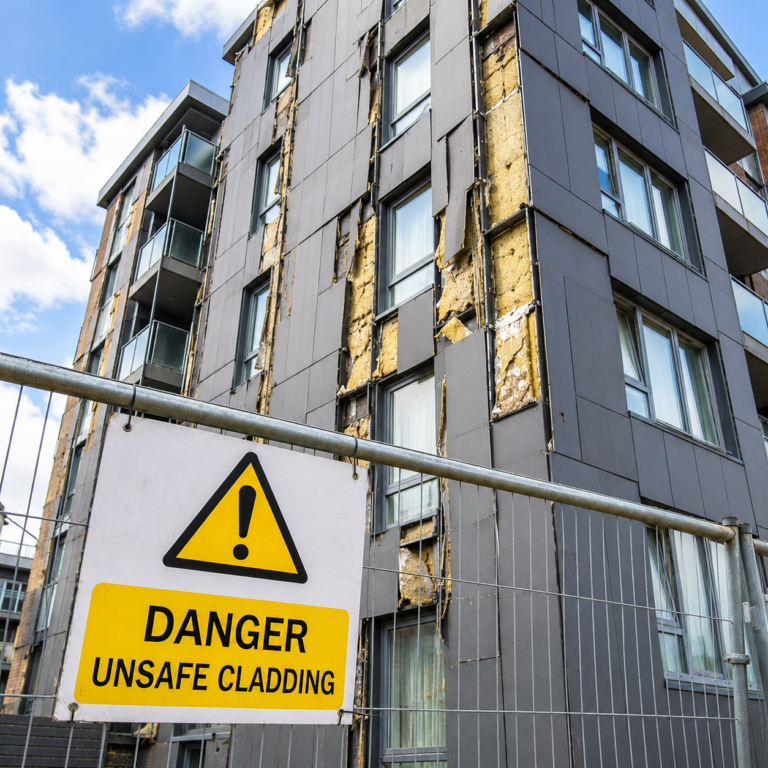
Fines of up to £500,000 are being threatened against those who fail to fix dangerous buildings, as the government unveils more support for leaseholders facing huge fire safety bills.
During the second reading of the Remediation of Unsafe Cladding Bill, the government proposed a new scheme that will make construction product manufacturers contribute towards the cost of putting unsafe buildings right.
The government aims to ensure all buildings with unsafe cladding are remediated by 2029.
Leaseholders across England face high costs for fire safety defects, with those living in collectively owned and enfranchised buildings facing some of the biggest bills.
As there is no separate freeholder, residents are not covered by the leaseholder protections under the Building Safety Act, leaving them at risk of having to pay huge costs themselves.
The government now says this loophole will be closed, with support extended to more leaseholders, including those in collectively owned and enfranchised buildings.
Construction product manufacturers linked to historic unsafe cladding and insulation products will also be required to contribute more towards putting affected buildings right.
For the first time, the government will have the powers it needs to recover contributions from manufacturers.
Under the proposed cladding bill, those responsible will face a legal duty to fix unsafe buildings, with those failing to act facing criminal penalties and fines of up to £500,000.
The government says the proposed rules will also help leaseholders who own multiple properties affected by non-cladding building safety defects they did not cause and are not currently protected under the Building Safety Act.
Currently, protections generally apply to people who owned no more than three properties on 14 February 2022. The government plans to raise this limit to six, extending protection to those who owned between four and six properties on that date and would otherwise face the costs of fixing safety defects.
The change aims to protect more individuals from hefty bills through no fault of their own, while helping make their properties safe for the people living in them.
Be the first to comment
Have you dealt with something similar? Share what you learned, raise a question or offer a perspective your peers may find useful.
Previous Article
Empty homes rules could conflict with Renters’ Rights Act
2 months ago | 1 comments

2 months ago

Not a member yet? Join In Seconds
Login with