

Landlords unaware of EPC exemptions as 2030 deadline approaches
1 week ago | 6 comments


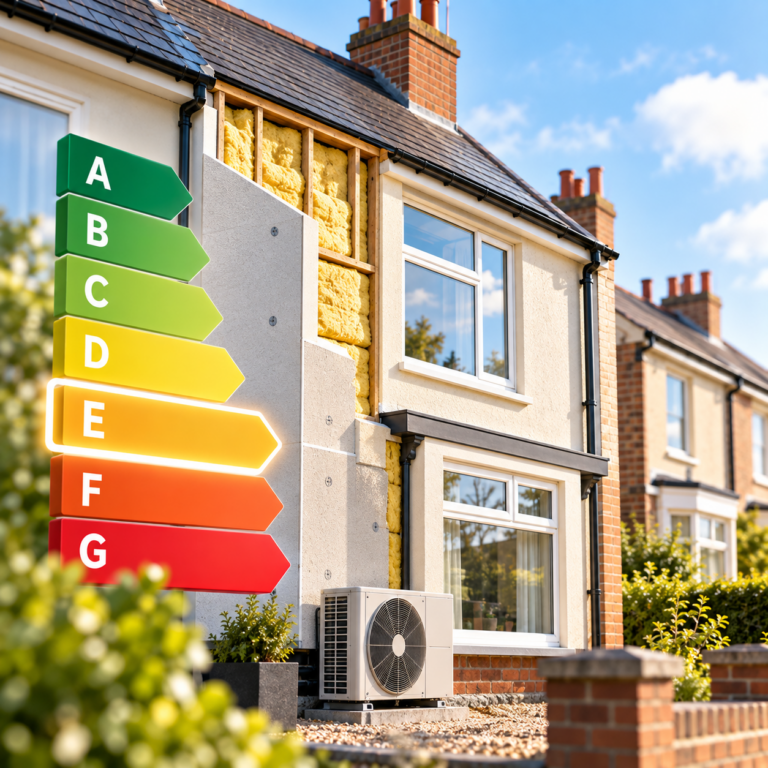
Landlords have largely complied with EPC regulations, but many have only undertaken energy-efficiency improvements to meet minimum standards, according to new research.
Data from global credit rating agency Morningstar DBRS reveals that while 13.8% of rental properties were initially rated F or G, only 1.9% received these ratings at their most recent inspection, following the introduction of minimum energy efficiency standards.
In 2014, the government introduced legislation prohibiting the private letting of properties with EPC ratings of F or G, unless an exemption is granted.
According to the data, more than half of rental properties initially rated F or G were upgraded only to band E, compared with 28.2% of owner-occupied homes. By contrast, most owner-occupied properties were upgraded to band D or above.
The data also shows that 68.1% of non-compliant rental properties that improved their EPC rating received their final assessment between 2018 and 2020, compared with just 30.8% of owner-occupied homes.
Morningstar DBRS said the findings show that landlords in the private rented sector (PRS) have largely focused on meeting minimum requirements rather than making greater improvements.
The agency identified three patterns suggesting that minimum energy efficiency standards (MEES) have played a key role in driving improvements across the private rented sector since 2014.
They said: “First, the decline observed in the share of dwellings rated F or G is larger in the private rental sector than among owner-occupied properties. This suggests that landlords largely complied with the regulation and only a few properties remained below the regulatory threshold.
“Second, upgrades of below-threshold rental properties are concentrated in the EPC band E, peaking just above the F-E boundary, while upgrades of owner-occupied properties are more evenly distributed among the EPC bands. This implies that many landlords undertook only the minimum improvements necessary to satisfy regulatory requirements.
“Third, among rental properties that were initially rated F or G, last inspection dates are largely concentrated around the 2018 and 2020 compliance deadlines, while owner-occupied properties show a more gradual pattern of improvements over time. This is consistent with MEES accelerating energy-efficiency investments in the private rental sector.”
The news comes as the government has proposed that all privately rented properties must meet EPC C standards by 2030.
The National Residential Landlords Association (NRLA) have previously told Property118 that many landlords will decide the cost of retrofitting is not worth the hassle and choose to sell up.
Chris Norris, chief policy officer for the NRLA, said: “We are firmly of the view that rental properties must be as energy efficient as practicable. However, it is simply not feasible for every property in the market to be retrofitted to meet an EPC ‘C’ rating within the previously proposed time frame.
“The current proposal doesn’t take into account the varying age and condition of housing stock inside and outside of the PRS, the complexity of the work required, or the lack of appropriately skilled tradespeople needed to make improvements.
“Many landlords will therefore have little choice but to sell properties that will be difficult, and excessively costly, to retrofit. This will reduce the supply of available rental properties further reducing available housing during the ongoing, and acute, supply and demand crisis.
“Ministers need to develop a targeted programme of support to facilitate investment, as the Committee on Fuel Poverty and Citizens Advice has previously recommended.”
Be the first to comment
Have you dealt with something similar? Share what you learned, raise a question or offer a perspective your peers may find useful.
Previous Article
Right to Rent changes for England's landlords from October
1 week ago | 6 comments

2 weeks ago | 10 comments

1 week ago | 6 comments
Not a member yet? Join In Seconds
Login with